
DbcultAccessing Vault...
Director's Spotlight
Senior Film Conservator
Director's Spotlight: United States
A Deep Dive into the 1919 Vision of Paul Powell
Analyzing The Weaker Vessel (1919) requires a deep dive into the unique directorial voice that Paul Powell brought to the screen. By challenging the status quo of 1919 cinema, it continues to spark endless debates among critics and cinephiles alike.
In The Weaker Vessel, Paul Powell pushes the boundaries of conventional narrative. The film's unique approach to its subject matter has sparked endless debates and interpretations among cinephiles and critics alike.
The visual language of The Weaker Vessel is defined by its use of shadows and framing, a hallmark of Paul Powell's style. By utilizing a 1919-era palette, the film creates an immersive experience that perfectly complements its cult themes.
| Cinematography | Deep Focus |
| Soundtrack | Diegetic |
| Editing | Rhythmic |
| Art Direction | Naturalist |
Visualizing the convergence of Paul Powell's style and the core cult narrative.
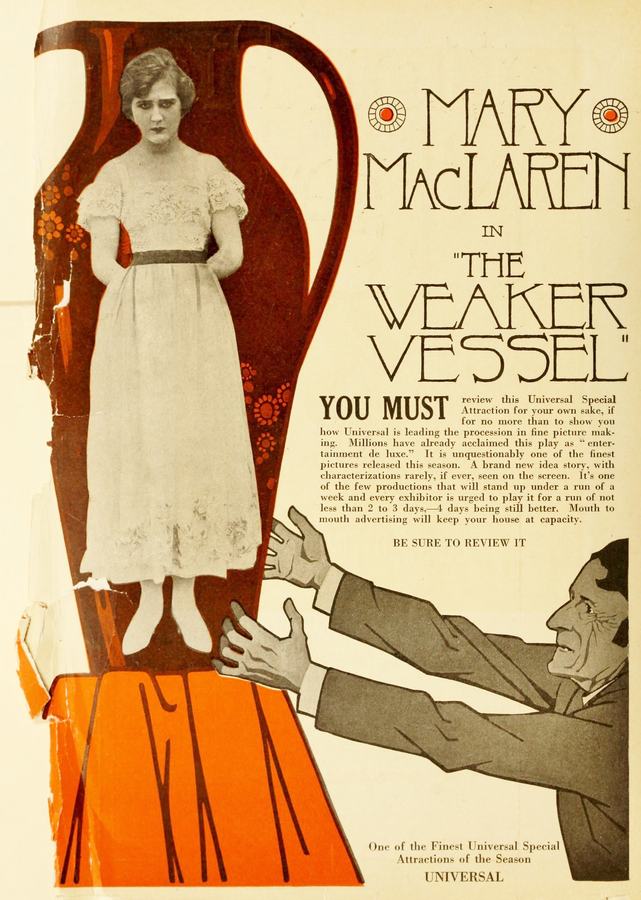
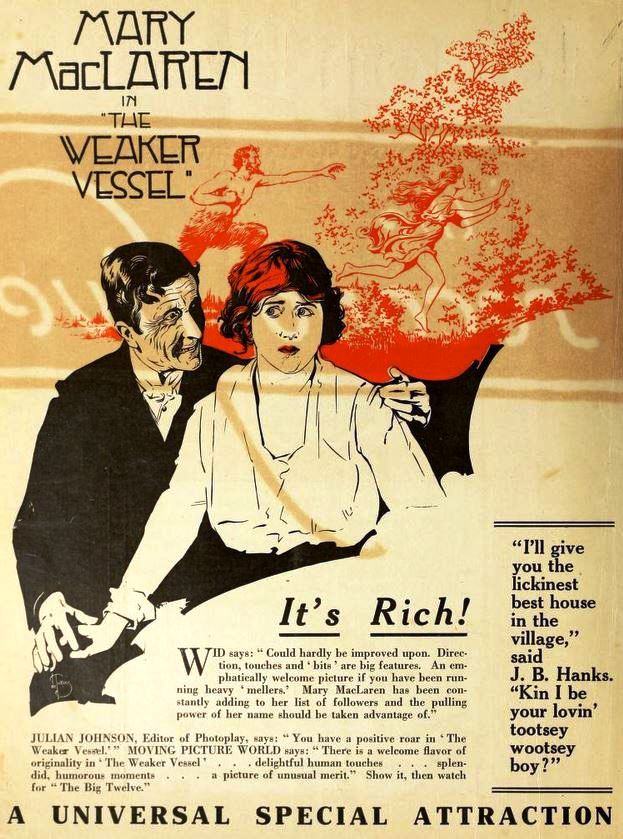
Abby Hopkins, the eldest of a small-town newspaper-owner's five daughters, is urged by her family to marry the wealthy, twice-widowed J.B. Hanks. Abby leaves Hank on the night of the wedding and goes to New York, where she supports herself as a waitress and shares an apartment with a co-worker. At the restaurant, Abby meets J. Booth Hunter, a heavy-drinking "ham" actor, and tries to convince him to give up liquor. Hanks shows up one day and during a battle with his estranged wife, Hunter comes to Abby's rescue. Abby finally gets a divorce from Hanks, Hunter conquers his drinking habit, and Abby marries him.
Decades after its release, The Weaker Vessel remains a vital piece of the cinematic puzzle. Its influence can be seen in countless modern works, solidifying Paul Powell's status as a master of the craft in United States and beyond.