
DbcultAccessing Vault...
Director's Spotlight
Senior Film Conservator
Director's Spotlight: United States
A Deep Dive into the 1918 Vision of Paul Scardon
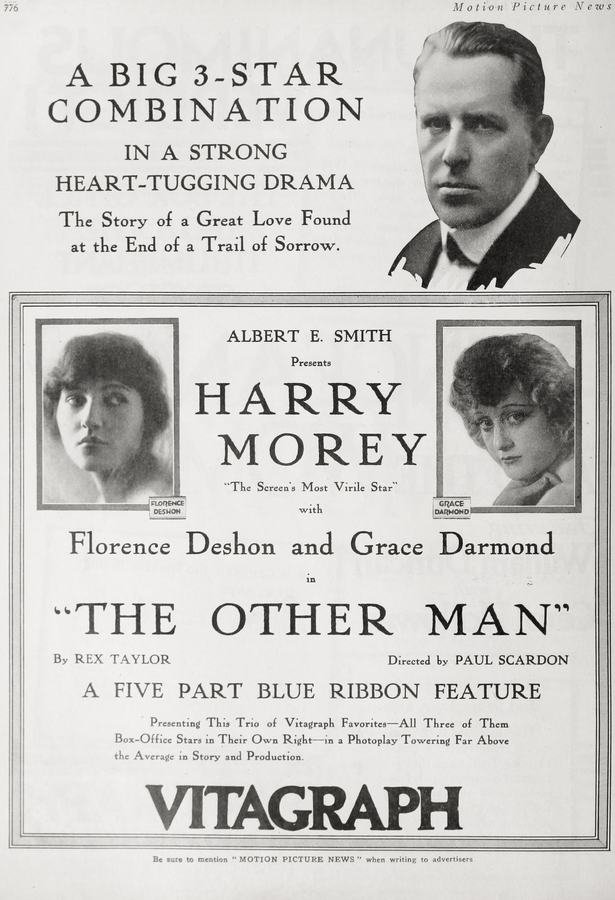
When we examine the cinematic landscape of United States, The Other Man emerges as a landmark work of the unique directorial voice that Paul Scardon brought to the screen. This film stands as a masterclass in visual storytelling, it demands to be seen by anyone who cares about the art of film.
In The Other Man, Paul Scardon pushes the boundaries of conventional narrative. The film's unique approach to its subject matter has sparked endless debates and interpretations among cinephiles and critics alike.
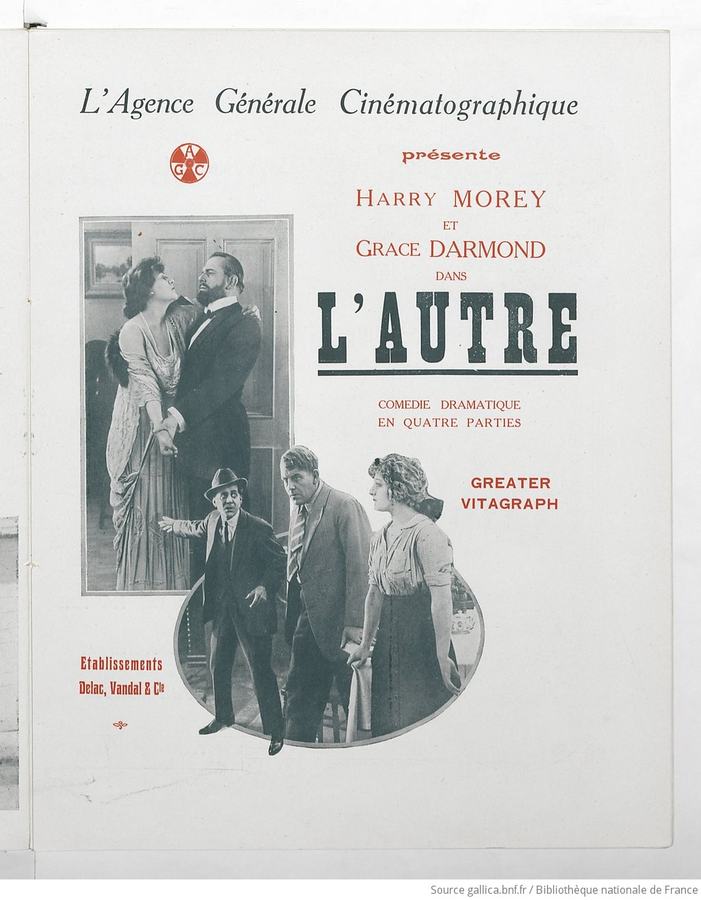
While deeply rooted in United States, The Other Man has achieved a global reach, influencing directors from various backgrounds. Its ability to translate cult tropes into a universal cinematic language is why it remains a cult staple decades after its 1918 release.
| Cinematography | Static |
| Soundtrack | Minimalist |
| Editing | Disjunctive |
| Art Direction | Baroque |
Visualizing the convergence of Paul Scardon's style and the core cult narrative.
John Stedman, a promising young surgeon, returns home from a business trip to find his wife Lucia in another man's apartment. Shocked and depressed, John abandons his practice and becomes a derelict, earning his living as a handyman in a cheap boardinghouse. Under the name of Martin West, he meets Dorothy Harmon, who, unknown to him, is living in the slums to fulfill the terms of a $10,000 wager that she can survive for a month without money. They fall in love, and when Dorothy wins her bet, she secretly gives him the money, which John, now eager to impress the young woman, uses to re-establish his practice. Once again known as Dr. Stedman, John returns to the slums but finds that Dorothy has disappeared. Shortly afterwards, the doctor, now sporting a beard, treats Dorothy's ailing aunt, but Dorothy fails to recognize him. When she visits the old boardinghouse, John follows her and reveals himself as her missing sweetheart, with the result that they are finally married.
Decades after its release, The Other Man remains a vital piece of the cinematic puzzle. Its influence can be seen in countless modern works, solidifying Paul Scardon's status as a master of the craft in United States and beyond.