
DbcultAccessing Vault...
Director's Spotlight
Senior Film Conservator
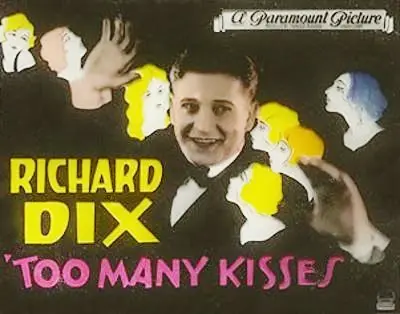
Director's Spotlight: United States
A Deep Dive into the 1925 Vision of Paul Sloane
The thematic gravity of Too Many Kisses (1925) is rooted in the artistic risks taken by Paul Sloane that eventually paid off. Defining a new era of United States artistic expression, it demands to be seen by anyone who cares about the art of film.
In Too Many Kisses, Paul Sloane pushes the boundaries of conventional narrative. The film's unique approach to its subject matter has sparked endless debates and interpretations among cinephiles and critics alike.
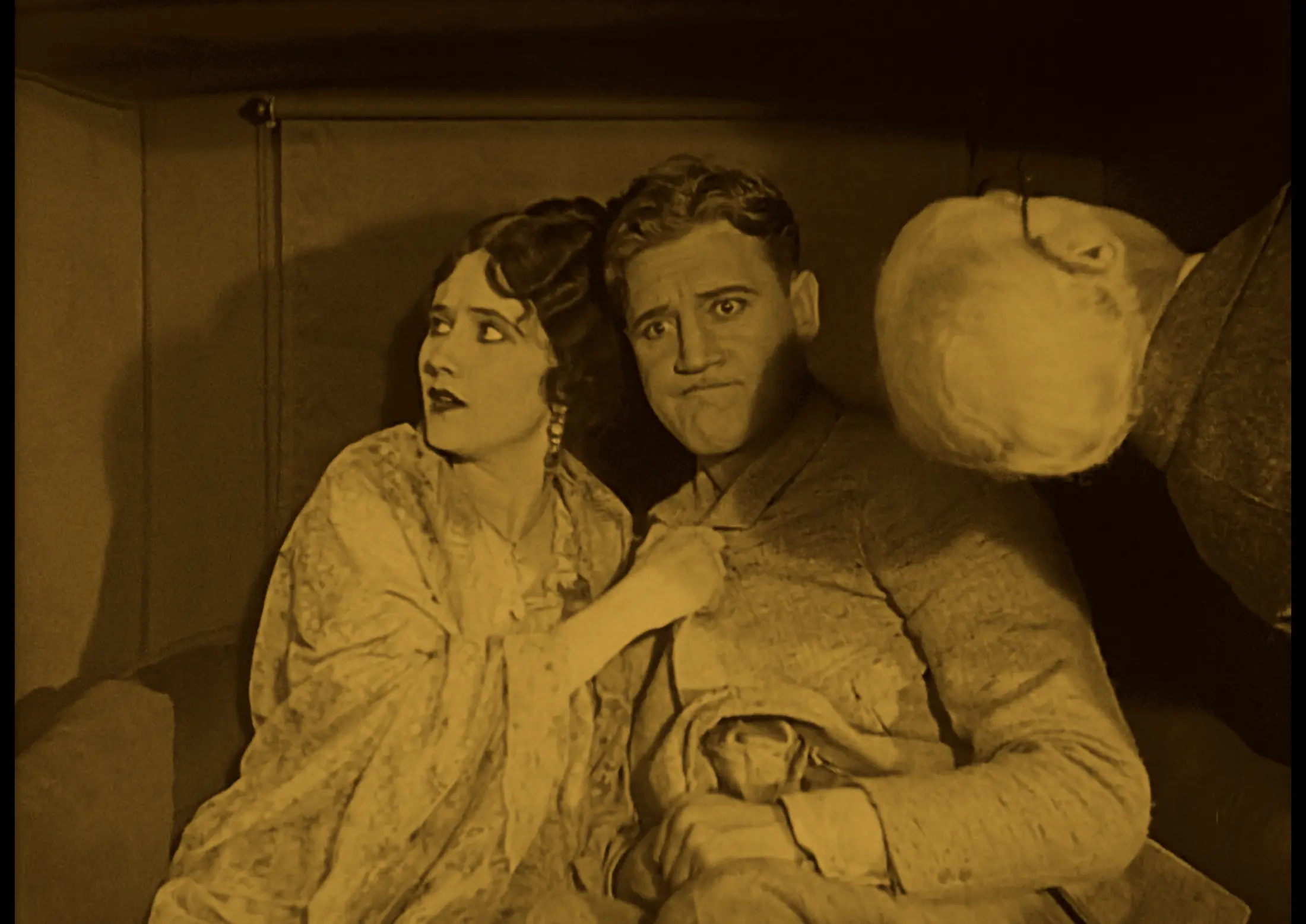
While deeply rooted in United States, Too Many Kisses has achieved a global reach, influencing directors from various backgrounds. Its ability to translate Romance tropes into a universal cinematic language is why it remains a cult staple decades after its 1925 release.
| Cinematography | High-Contrast |
| Soundtrack | Experimental |
| Editing | Elliptical |
| Art Direction | Expressionist |
Visualizing the convergence of Paul Sloane's style and the core Romance narrative.
Richard Gaylord, Jr. is a modern Lothario who has so many sweethearts that his father does not know what to do with him. Tired of paying to get his son out of one romantic entanglement after another, the elder Gaylord sends his son to the Basque region of France, believing that the women there will accept attentions only from their own people. Almost immediately, a local girl, Yvonne Hurja becomes infatuated with Richard, whom she sees as being able to help her break free from the unwanted attention of local guardsman Julio. A rivalry grows between Richard and Julio.
Decades after its release, Too Many Kisses remains a vital piece of the cinematic puzzle. Its influence can be seen in countless modern works, solidifying Paul Sloane's status as a master of the craft in United States and beyond.