
DbcultAccessing Vault...
Director's Spotlight
Senior Film Conservator
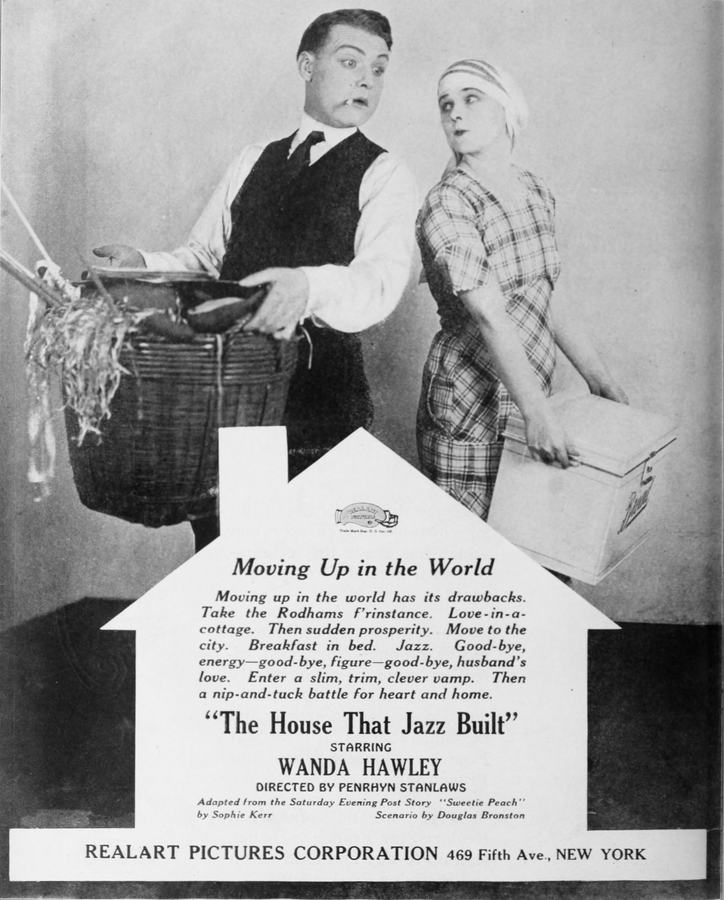
Director's Spotlight: United States
A Deep Dive into the 1921 Vision of Penrhyn Stanlaws
In the storied career of Penrhyn Stanlaws, The House That Jazz Built stands as a the atmospheric immersion that Penrhyn Stanlaws achieves throughout The House That Jazz Built. Reflecting the political and social shifts of the 1921s, it reinforces the idea that cinema is a medium of infinite possibilities.
In The House That Jazz Built, Penrhyn Stanlaws pushes the boundaries of conventional narrative. The film's unique approach to its subject matter has sparked endless debates and interpretations among cinephiles and critics alike.
While deeply rooted in United States, The House That Jazz Built has achieved a global reach, influencing directors from various backgrounds. Its ability to translate Drama tropes into a universal cinematic language is why it remains a cult staple decades after its 1921 release.
| Cinematography | Noir-Inspired |
| Soundtrack | Experimental |
| Editing | Invisible |
| Art Direction | Kitsch |
Visualizing the convergence of Penrhyn Stanlaws's style and the core Drama narrative.
Frank and Cora Rodham begin married life in a modest suburban bungalow, where Cora is an efficient and happy housekeeper. When Frank acquires a position with a New York company and they take up city residence, Cora becomes fat, indolent, and carefree. Frank, tiring of Cora and finding relief in Lila Drake, plans to divorce Cora. But Cora regains her trim figure and after exposing Lila's heartlessness wins back her husband.
Decades after its release, The House That Jazz Built remains a vital piece of the cinematic puzzle. Its influence can be seen in countless modern works, solidifying Penrhyn Stanlaws's status as a master of the craft in United States and beyond.