
DbcultAccessing Vault...
Director's Spotlight
Senior Film Conservator
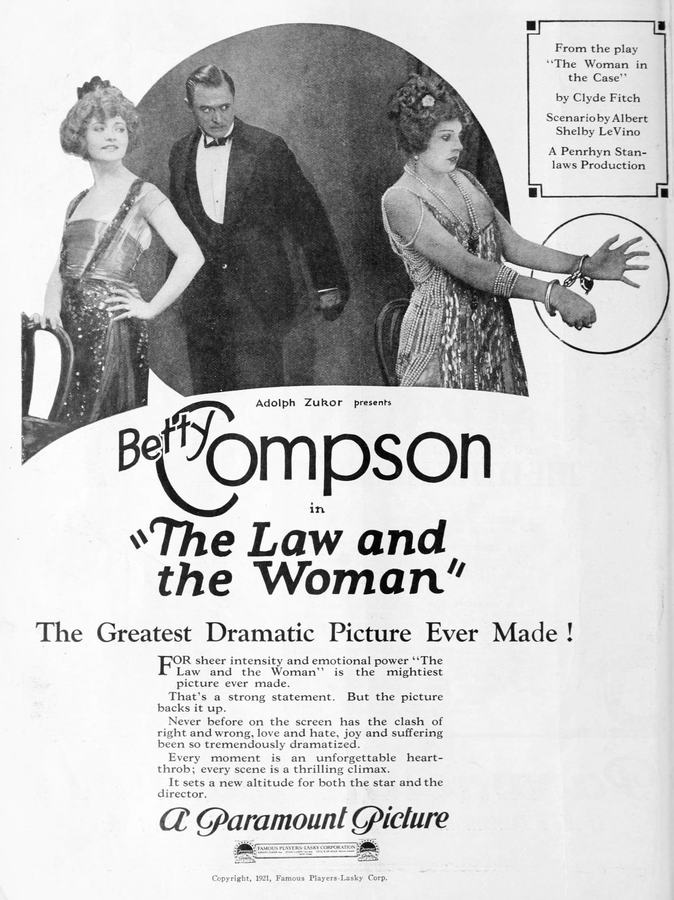
Director's Spotlight: United States
A Deep Dive into the 1922 Vision of Penrhyn Stanlaws
Peeling back the layers of Penrhyn Stanlaws's The Law and the Woman exposes the collaborative alchemy between Penrhyn Stanlaws and the 1922 creative team. Anchored by a narrative that is both personal and universal, it reinforces the idea that cinema is a medium of infinite possibilities.
In The Law and the Woman, Penrhyn Stanlaws pushes the boundaries of conventional narrative. The film's unique approach to its subject matter has sparked endless debates and interpretations among cinephiles and critics alike.
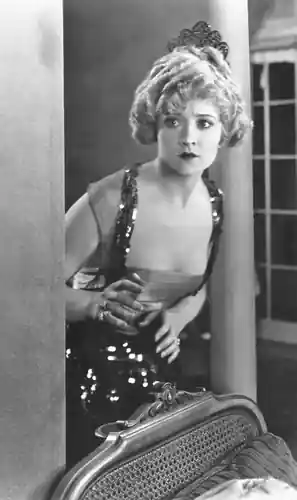
To fully appreciate The Law and the Woman, one must consider the cinematic climate of 1922. During this period, United States was undergoing significant artistic shifts, and Penrhyn Stanlaws was at the forefront of this Drama movement, often challenging established norms.
| Cinematography | Deep Focus |
| Soundtrack | Synth-Heavy |
| Editing | Disjunctive |
| Art Direction | Baroque |
Visualizing the convergence of Penrhyn Stanlaws's style and the core Drama narrative.
When his bride, Margaret, questions him about his former loves, Julian Rolfe recalls his old flame Clara Foster, now living in Paris. At the same time, Clara meets Julian's ward, Phil Long, a millionaire soldier who tells her of Julian's marriage to Margaret, and they both sail for New York. Long calls on the Rolfes and tells Julian of his infatuation for Clara; Julian advises him to forget her and later tells Margaret about his past affair. Meanwhile, Phil informs Clara of the interview, and she threatens to show Margaret letters from Julian. Though he is unmoved by the threat, his wife advises him to inform Phil, whom he later meets in an angry confrontation; upon returning home, Julian discovers that his wife has burned the letters. Later, Phil is found murdered with evidence pointing to Julian, and he is tried and convicted on the day Margaret's child is born. Margaret disguises herself and playing on Clara's superstition elicits a confession of guilt from her just in time to avert Julian's execution.
Decades after its release, The Law and the Woman remains a vital piece of the cinematic puzzle. Its influence can be seen in countless modern works, solidifying Penrhyn Stanlaws's status as a master of the craft in United States and beyond.