
DbcultAccessing Vault...
Director's Spotlight
Senior Film Conservator
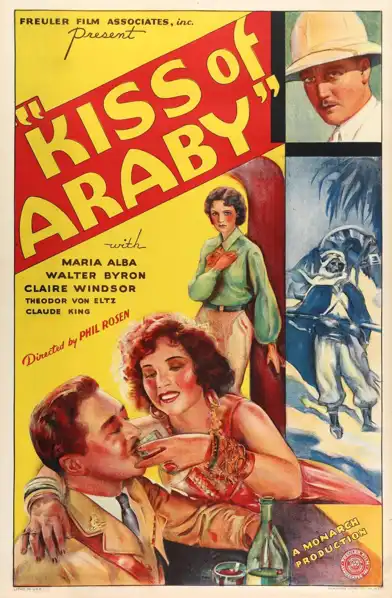
Director's Spotlight: United States
A Deep Dive into the 1933 Vision of Phil Rosen
The brilliance of Kiss of Araby (1933) is inseparable from a monumental shift in Adventure filmmaking spearheaded by Phil Rosen. Occupying a unique space between Adventure and pure art, it serves as a blueprint for future generations of Adventure directors.
In Kiss of Araby, Phil Rosen pushes the boundaries of conventional narrative. The film's unique approach to its subject matter has sparked endless debates and interpretations among cinephiles and critics alike.
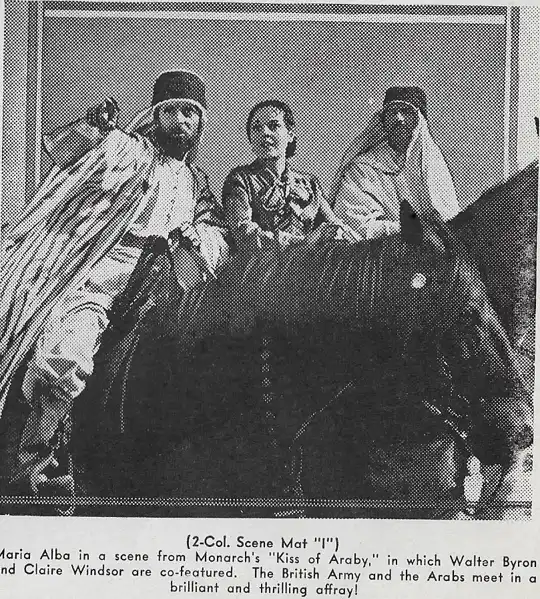
To fully appreciate Kiss of Araby, one must consider the cinematic climate of 1933. During this period, United States was undergoing significant artistic shifts, and Phil Rosen was at the forefront of this Adventure movement, often challenging established norms.
| Cinematography | Deep Focus |
| Soundtrack | Orchestral |
| Editing | Invisible |
| Art Direction | Kitsch |
Visualizing the convergence of Phil Rosen's style and the core Adventure narrative.
While the commander of the British Army in Arabia, Major J. W. Courtney, is out in the desert chasing marauding tribesmen, his wife carries on an affair with Captain Randall. Courtney returns to the outpost ahead of time and the wife takes refuge in the quarters of Lieutenant W.B. Lawrence. Lawrence, maintaining the silence (and stiff upper lip) that his code of honor dictates is drummed out of the service. He joins the forces of El Rahman and becomes a sheik of the desert. Warfare, instigated by Randall, breaks out between the troops and the tribesmen and ends when the mortally wounded Randall confesses to his dastardly deeds, the least of which included making love to his commander's wife.
Decades after its release, Kiss of Araby remains a vital piece of the cinematic puzzle. Its influence can be seen in countless modern works, solidifying Phil Rosen's status as a master of the craft in United States and beyond.