
DbcultAccessing Vault...
Director's Spotlight
Senior Film Conservator
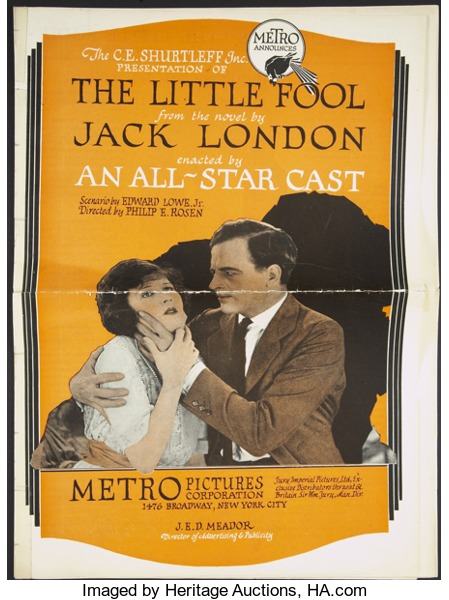
Director's Spotlight: United States
A Deep Dive into the 1921 Vision of Phil Rosen
The enduring fascination with The Little Fool is a testament to the defining moment in Drama history that Phil Rosen helped create. This film stands as a masterclass in visual storytelling, it has cemented its place in the global cult cinema archive.
In The Little Fool, Phil Rosen pushes the boundaries of conventional narrative. The film's unique approach to its subject matter has sparked endless debates and interpretations among cinephiles and critics alike.
To fully appreciate The Little Fool, one must consider the cinematic climate of 1921. During this period, United States was undergoing significant artistic shifts, and Phil Rosen was at the forefront of this Drama movement, often challenging established norms.
| Cinematography | Deep Focus |
| Soundtrack | Orchestral |
| Editing | Slow-Burn |
| Art Direction | Brutalist |
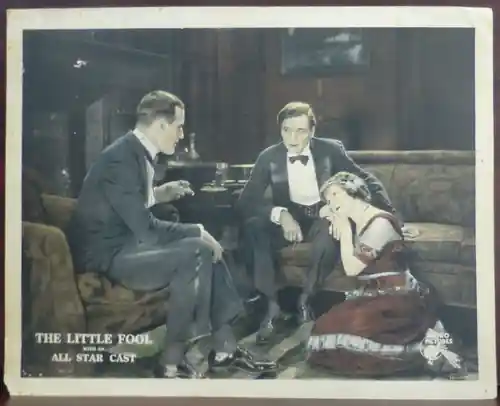
Visualizing the convergence of Phil Rosen's style and the core Drama narrative.
Richard Forrest's philosophy of marital relations is that it is not up to the husband to hold his wife's love but that she should "hold it herself." His theories are put to a practical test when his best friend, a young author, comes to the Big House. The friend falls in love with the wife and frankly tells her husband of the fact, saying that it is best that he go away. Forrest laughs at him and states that his wife should know her own mind and she is free to love whom she chooses and that if she finds she loves the author she is free to go away with him. But the thing that he thought would not take place did happen finally. The wife thinks she is in love with the author and tells her husband that she has allowed the other man to kiss her. She finds out in the end, however, that her husband's character is of such strength that she "holds herself" to him, and reaches the conclusion that her love for the author was but a temporary affair.
Decades after its release, The Little Fool remains a vital piece of the cinematic puzzle. Its influence can be seen in countless modern works, solidifying Phil Rosen's status as a master of the craft in United States and beyond.