
DbcultAccessing Vault...
Director's Spotlight
Senior Film Conservator
Director's Spotlight: United States
A Deep Dive into the 1915 Vision of Phillips Smalley
The evocative power of Jewel stems from the unique collaboration between the bold experimentation that has become synonymous with Phillips Smalley. Framed by the hauntingly beautiful landscapes of the production, it echoes the profound changes occurring in United States during that era.
In Jewel, Phillips Smalley pushes the boundaries of conventional narrative. The film's unique approach to its subject matter has sparked endless debates and interpretations among cinephiles and critics alike.
| Cinematography | Handheld |
| Soundtrack | Experimental |
| Editing | Elliptical |
| Art Direction | Expressionist |
Visualizing the convergence of Phillips Smalley's style and the core cult narrative.
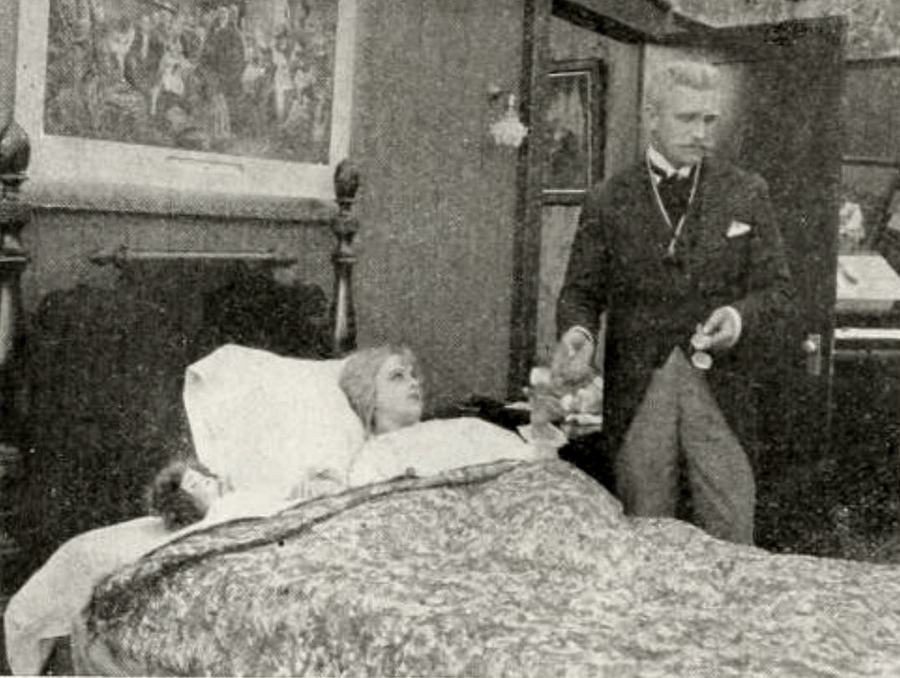
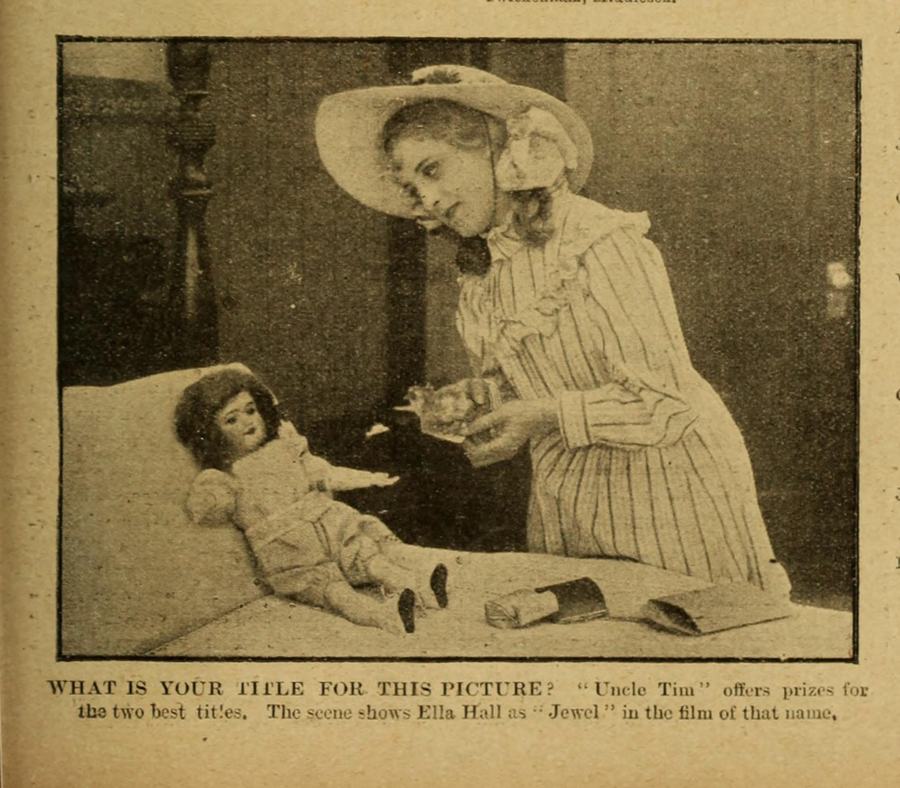
Mrs. Forbes, longtime housekeeper at the country mansion of disappointed, embittered aristocrat Mr. Evringham, who is almost a luxurious recluse, is worried: the household has been turned upside-down by the advent of the wife of Evringham's dead son Lawrence, who has arrived with her daughter Eloise. The mother is a schemer who, reduced to her last penny, is pulling every wire to induce wealthy young Dr. Ballard to marry Eloise. It looks as if she is going to succeed and the need for success is imperative because Mr. Evringham is set against his female dependents, whom he might expel from his home at any moment. Then word comes from another son, Harry Evringham, who writes that he and his wife must make a business trip abroad and he asks his father to take Jewel, the child he has never seen, into his home until they return in six weeks. Old Mr. Evringham reluctantly agrees to his son's request. He hates children and is gruff, unresponsive, and self-centered. The only reason he agrees to take the child is because his daughter-in-law, the widow, tries to get him to refuse. He hates this daughter-in-law; therefore takes Jewel in to spite her. Upon her arrival, Jewel meets with a very cool reception. She finds that, according to the Christian Science teachings with which she is familiar, that she has entered a household of hatred and discord. She puts the scriptures and Mrs. Eddy's teachings to practical use and proves to all scoffers that she has found and can demonstrate the truth. Jewel takes a strong liking to her bluff, stern, old grandfather and he finds his heart softening under her influence. She cures herself of a fever which she says came o because a shadow of hatred passed over her for the house's inmates. She wins the heart of the grim housekeeper when she redeems her drunkard son from the grip of the liquor demon, she converts Eloise to the truth of Divine Science, and she proves to everyone that Science can win in spite of all. She reaps a harvest of good from a bleak, barren soil, uniting the strained and jarring household by chain after chain of love.
Decades after its release, Jewel remains a vital piece of the cinematic puzzle. Its influence can be seen in countless modern works, solidifying Phillips Smalley's status as a master of the craft in United States and beyond.