
DbcultAccessing Vault...
Director's Spotlight
Senior Film Conservator
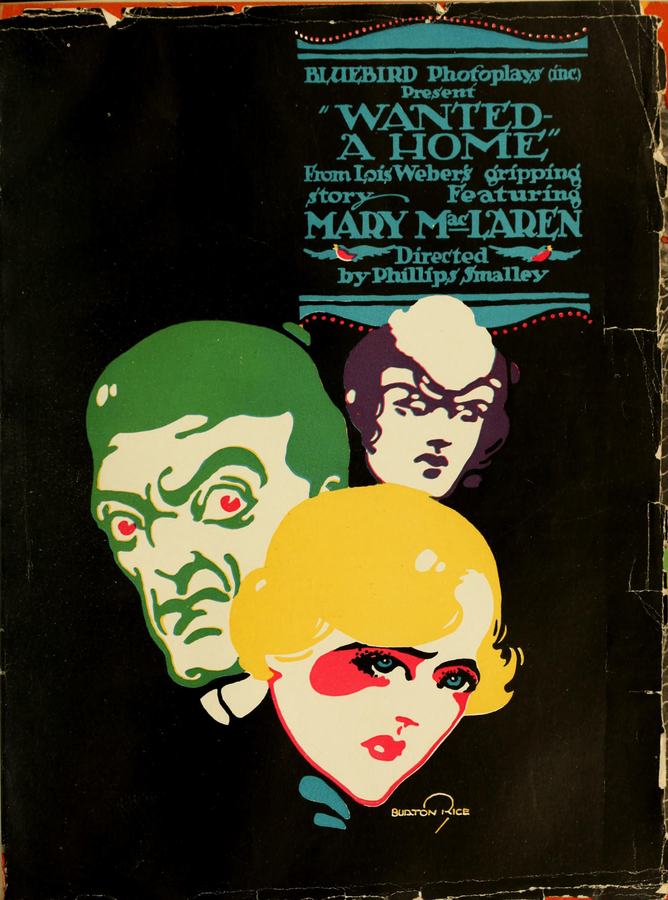
Director's Spotlight: United States
A Deep Dive into the 1916 Vision of Phillips Smalley
In the grand tapestry of cult cinema, Wanted: A Home serves as a bridge between the bold experimentation that has become synonymous with Phillips Smalley. Breaking the traditional rules of cult engagement, it highlights the importance of independent voices in United States.
In Wanted: A Home, Phillips Smalley pushes the boundaries of conventional narrative. The film's unique approach to its subject matter has sparked endless debates and interpretations among cinephiles and critics alike.
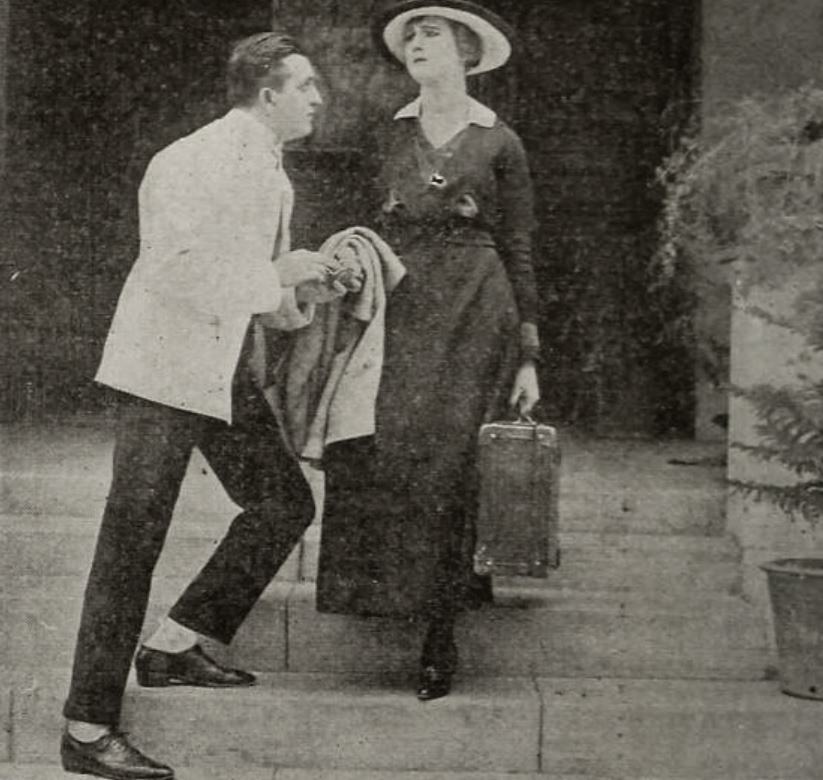
The visual language of Wanted: A Home is defined by its use of shadows and framing, a hallmark of Phillips Smalley's style. By utilizing a 1916-era palette, the film creates an immersive experience that perfectly complements its cult themes.
| Cinematography | Deep Focus |
| Soundtrack | Minimalist |
| Editing | Disjunctive |
| Art Direction | Baroque |
Visualizing the convergence of Phillips Smalley's style and the core cult narrative.
Homeless Mina Rogers is desperate for a job, is briefly employed as a housemaid for three nurses. When she loses the job, she decides to impersonate one of the nurses to take a job at the home of wealthy invalid Harvey Gorman. There, she comes under the control of Gorman's male nurse Roberts, who, discovering her deception, forces her to aid in his plan to acquire the money that Gorman plans to leave to his ranch foreman Cal Morgan. While Roberts begins poisoning Gorman with arsenic, Mina is instructed to seduce Cal into proposing to her, a plan that fails only because the jealous daughters of the ranch's housekeeper expose Mina's charade. When it is learned that Gorman is being poisoned, Mina is suspected, but a letter is eventually discovered that incriminates Roberts. Dr. Prine, Gorman's doctor, has fallen in love with Mina and, after hearing the story of her miserable childhood, forgives her impersonation.
Decades after its release, Wanted: A Home remains a vital piece of the cinematic puzzle. Its influence can be seen in countless modern works, solidifying Phillips Smalley's status as a master of the craft in United States and beyond.