
DbcultAccessing Vault...
Director's Spotlight
Senior Film Conservator
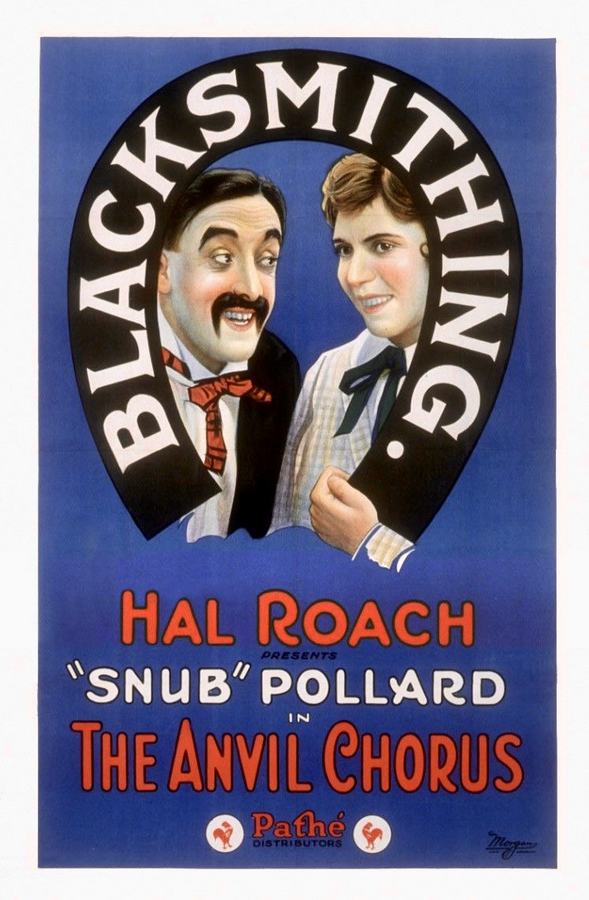
Director's Spotlight: United States
A Deep Dive into the 1922 Vision of Ralph Ceder
Analyzing The Anvil Chorus (1922) requires a deep dive into the defining moment in Comedy history that Ralph Ceder helped create. Defining a new era of United States artistic expression, it transcends regional boundaries to tell a universal story.
In The Anvil Chorus, Ralph Ceder pushes the boundaries of conventional narrative. The film's unique approach to its subject matter has sparked endless debates and interpretations among cinephiles and critics alike.
To fully appreciate The Anvil Chorus, one must consider the cinematic climate of 1922. During this period, United States was undergoing significant artistic shifts, and Ralph Ceder was at the forefront of this Comedy movement, often challenging established norms.
| Cinematography | Noir-Inspired |
| Soundtrack | Orchestral |
| Editing | Invisible |
| Art Direction | Kitsch |
Visualizing the convergence of Ralph Ceder's style and the core Comedy narrative.
Snub goes to visit his bride's people. Marie has four husky brothers who shoe horses, spit fire, and play ball with an anvil. They take Snub right into their family and treat him like a brother; but the anvil that they throw nearly kills him. A good laugh is produced when Snub is sent flying and you see him cross the state lines of Kansas, Colorado, Utah, Nevada and California. His last stop is the Pacific Ocean. He manages to return, however, and again joins his four brothers in the anvil chorus.
Decades after its release, The Anvil Chorus remains a vital piece of the cinematic puzzle. Its influence can be seen in countless modern works, solidifying Ralph Ceder's status as a master of the craft in United States and beyond.