
DbcultAccessing Vault...
Director's Spotlight
Senior Film Conservator
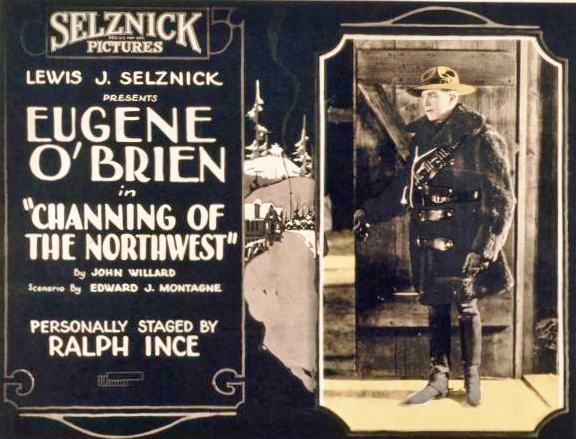
Director's Spotlight: United States
A Deep Dive into the 1922 Vision of Ralph Ince
Analyzing Channing of the Northwest (1922) requires a deep dive into the defining moment in Drama history that Ralph Ince helped create. Defining a new era of United States artistic expression, it transcends regional boundaries to tell a universal story.
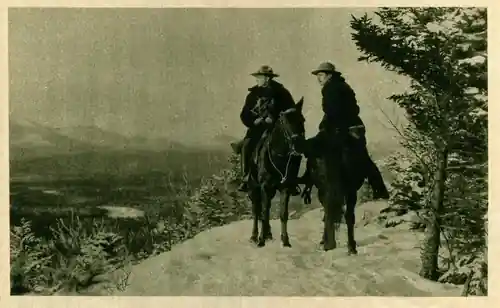
In Channing of the Northwest, Ralph Ince pushes the boundaries of conventional narrative. The film's unique approach to its subject matter has sparked endless debates and interpretations among cinephiles and critics alike.
| Cinematography | Noir-Inspired |
| Soundtrack | Orchestral |
| Editing | Slow-Burn |
| Art Direction | Brutalist |
Visualizing the convergence of Ralph Ince's style and the core Drama narrative.
Channing, who lives the life of a leisured gentleman in London, falls in love with Cicily Varden, a dancer in the Gaiety Revue, but she breaks off the engagement upon learning he is to be disinherited. Channing leaves for Canada and joins the Canadian Northwest Mounted; there he meets Jes Driscoll, who lives with her father, Tom, and her adopted brother, Jim Franey. Sport McCool, owner of the local dance hall, is known to engage in smuggling hooch across the border, and Channing is detailed to investigate his activities--in which Jim is involved. Inflamed with jealousy and taunted by McCool's insinuations, Jim determines to kill Channing, but he hesitates at an opportune moment and shoots McCool. Jim dies from a wound, and Channing and Jes are united.
Decades after its release, Channing of the Northwest remains a vital piece of the cinematic puzzle. Its influence can be seen in countless modern works, solidifying Ralph Ince's status as a master of the craft in United States and beyond.