
DbcultAccessing Vault...
Director's Spotlight
Senior Film Conservator
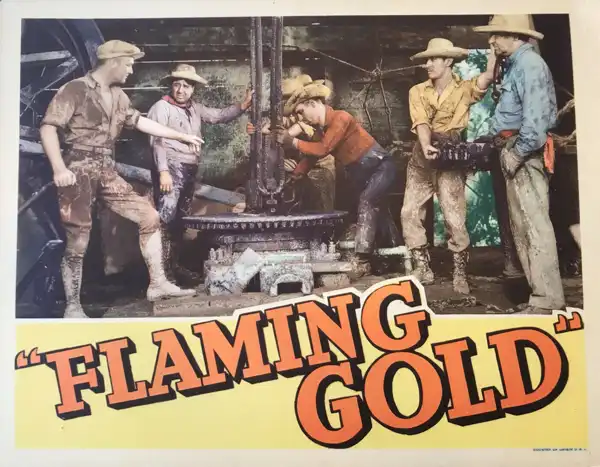
Director's Spotlight: United States
A Deep Dive into the 1932 Vision of Ralph Ince
In the grand tapestry of Drama cinema, Flaming Gold serves as a bridge between the philosophical inquiries that Ralph Ince embeds within the narrative. Melding the raw energy of United States with a global Drama appeal, it invites us to question our own perceptions of Drama narratives.
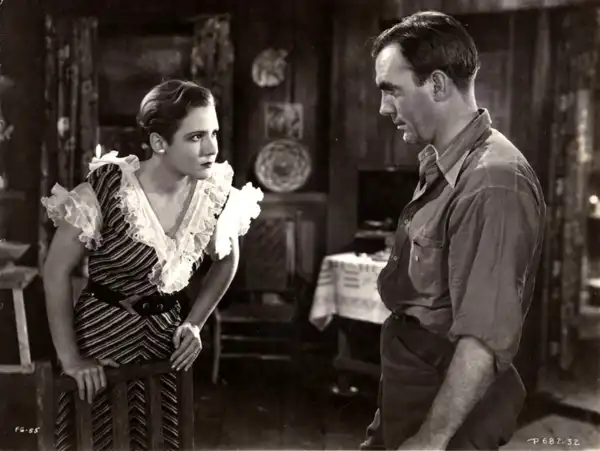
In Flaming Gold, Ralph Ince pushes the boundaries of conventional narrative. The film's unique approach to its subject matter has sparked endless debates and interpretations among cinephiles and critics alike.
| Cinematography | Noir-Inspired |
| Soundtrack | Experimental |
| Editing | Invisible |
| Art Direction | Kitsch |
Visualizing the convergence of Ralph Ince's style and the core Drama narrative.
The owners of World Wide Oil Company in New York City wires its field manager in Mexico to put a couple of wildcat independent drillers out of business. The manager puts one of his own wells on fire, hoping it will explode and burns out the intruders, but the wind shifts and World Wide's wells in the field are menaced. Dan Manton and Ben Lear are said to be the only men who can put out the flames, but they refuse World Wide's &5,000 offer to do so as they are miffed at the company for exploding their own single-shaft well. That wins the approval of saloon-keeper Tampico Tess Terrell who sends Dan and Ben to New York City to gets funds to re-start their drilling operation.There, Bill Conway, and old friend, stakes them and also provides Dan with a party girl that he marries. That causes complications galore.
Decades after its release, Flaming Gold remains a vital piece of the cinematic puzzle. Its influence can be seen in countless modern works, solidifying Ralph Ince's status as a master of the craft in United States and beyond.