
DbcultAccessing Vault...
Director's Spotlight
Senior Film Conservator
Director's Spotlight: United States
A Deep Dive into the 1916 Vision of Ralph Ince
The thematic gravity of His Wife's Good Name (1916) is rooted in the artistic risks taken by Ralph Ince that eventually paid off. Defining a new era of United States artistic expression, it demands to be seen by anyone who cares about the art of film.
In His Wife's Good Name, Ralph Ince pushes the boundaries of conventional narrative. The film's unique approach to its subject matter has sparked endless debates and interpretations among cinephiles and critics alike.
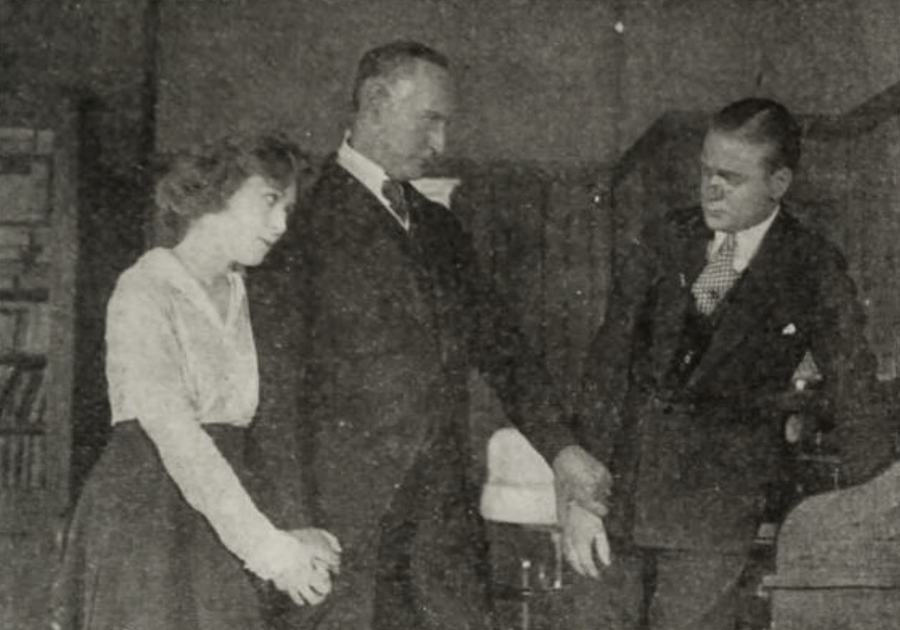
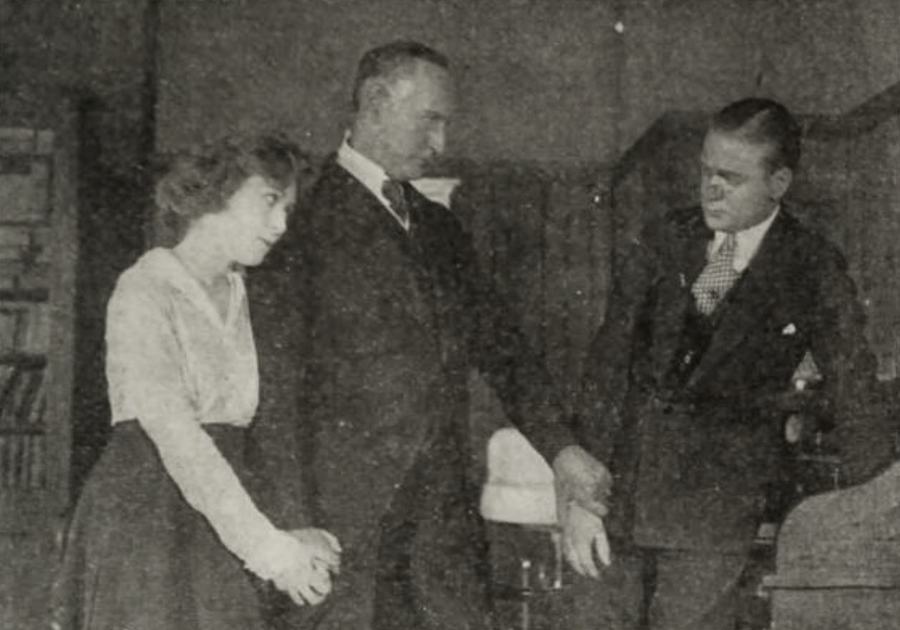
The visual language of His Wife's Good Name is defined by its use of shadows and framing, a hallmark of Ralph Ince's style. By utilizing a 1916-era palette, the film creates an immersive experience that perfectly complements its cult themes.
| Cinematography | Handheld |
| Soundtrack | Diegetic |
| Editing | Rhythmic |
| Art Direction | Naturalist |
Visualizing the convergence of Ralph Ince's style and the core cult narrative.
Mary Ellen McKay, a country girl, comes to New York to become a singer. She stops at a furnished room house, and expends her savings on useless lessons, for her voice is only mediocre. Harry Weatherby is a disappointment of his millionaire father, who hopes to make him a captain of industry. Instead, Harry is a ne'er-do-well. While visiting Dr. Cameron, a friend of the family, he sees Mary Ellen across the way, and a flirtation starts. It eventually results in marriage. Harry is afraid to break the news to his stern father; his mother does, and he does. Enraged, Weatherby visits Mary and tries to buy her off. But she spurns his money, and he changes his tactics. He tells her he likes her, that he will give a party in honor of the marriage. He enlists the aid of Silk Harrington, who brings along a number of his smart tenderloin friends who pass themselves off as society. They influence her to drink, and soon she is acting very foolish. Harry arrives, sees her condition, and denounces her, thinking this is her true self. Harry's father leaves her a check for $10,000 before he goes, if she will promise never to see Harry again. She crumples the check in her hand, when the truth dawns upon her, and it is later picked up by Silk Harrington, who plans to use it. Mary goes home, thoroughly crushed and humiliated. She tries to commit suicide, but a friend. Kate Weld, a trained nurse, who lives across the hall, and Dr. Cameron save her life. Learning she is a stranger in New York, Dr. Cameron takes her to his country home to recuperate. Harry plunges into business to forget, and his father is happy. Mary recovers her health, but her faith is shattered. She wants to go out into the world now and have a good time. Dr. Cameron argues in vain. He decides to take her sightseeing. First he takes her to Cherry's, then to the Haymarket, where she sees the broken-down men and women. He tells her that is the price that must be paid. Lastly he takes her to his mission on the East Side. Here he tells her a story. He, too, was in love and lost. He tried everything in his pursuit of forgetfulness, and finally discovered solace for his sorrow in brightening the lives of others. Mary tells him she, too, wants to do this work. Meanwhile Harrington tries to pass the check. Harry is summoned to the bank and learns the truth through Harrington. He goes home and a big scene follows between him and his father. He eventually locates Mary. At first she does not want to forgive him, but she finally capitulates.
Decades after its release, His Wife's Good Name remains a vital piece of the cinematic puzzle. Its influence can be seen in countless modern works, solidifying Ralph Ince's status as a master of the craft in United States and beyond.