
DbcultAccessing Vault...
Director's Spotlight
Senior Film Conservator
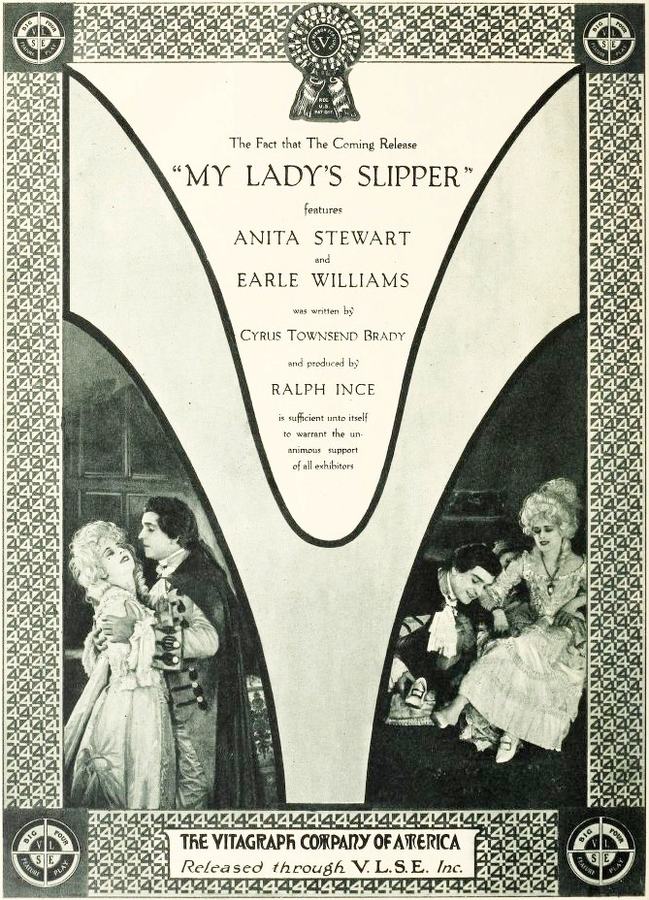
Director's Spotlight: United States
A Deep Dive into the 1916 Vision of Ralph Ince
As a cultural artifact of the 1916s, My Lady's Slipper provides the global recognition that Ralph Ince garnered after the release of My Lady's Slipper. Elevating the source material through Ralph Ince's unique vision, it solidifies Ralph Ince's reputation as a master of the craft.
In My Lady's Slipper, Ralph Ince pushes the boundaries of conventional narrative. The film's unique approach to its subject matter has sparked endless debates and interpretations among cinephiles and critics alike.
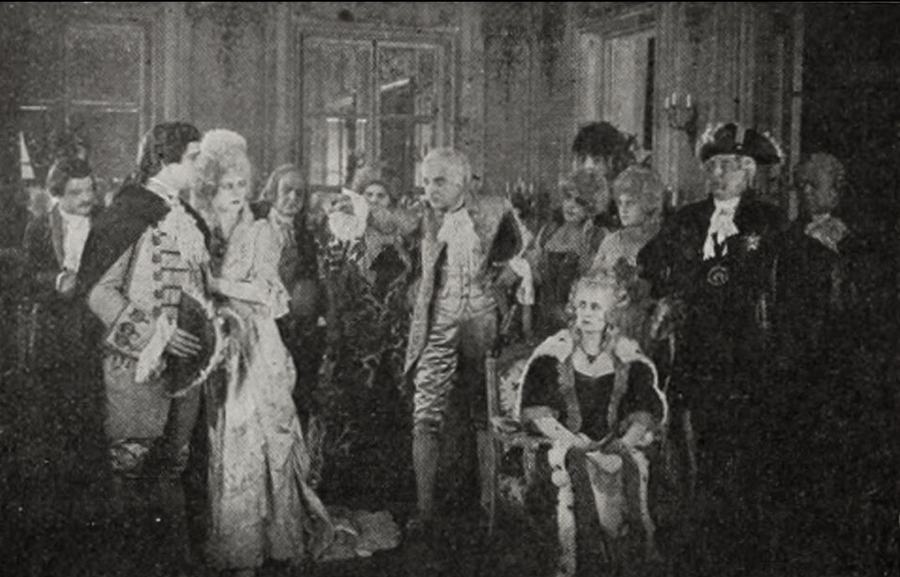
While deeply rooted in United States, My Lady's Slipper has achieved a global reach, influencing directors from various backgrounds. Its ability to translate cult tropes into a universal cinematic language is why it remains a cult staple decades after its 1916 release.
| Cinematography | Handheld |
| Soundtrack | Synth-Heavy |
| Editing | Disjunctive |
| Art Direction | Baroque |
Visualizing the convergence of Ralph Ince's style and the core cult narrative.
Francis Burnham, a young American naval officer in the time of King Louis XVI of France, escapes from a British convict ship. He is desirous of reaching Paris to see Benjamin Franklin, then his country's Minister, but upon his arrival there learns Franklin is away. He meets Bucknall, an old shipmate, and earns his everlasting gratitude by helping him out of financial difficulties. Later, strolling through the suburbs of Paris, he has the good fortune to rescue a beautiful lady from a highwayman, but does not learn her name. Meanwhile his restless nature gets him into gambling, he loses all and becomes indebted to a stranger who proves to be the Marquis de Tremignon. By threats and promises to wipe out his obligations, the Marquis secures Burnham's aid in the scheme he has in mind. He tells the young American that he is in love with the Countess De Villars. and she with him but her grandfather objects, so the Marquis plans to force his consent by securing some article of wearing apparel from the Countess and thus compromise her. Burnham is to be his agent. He does not think very highly of the job, but when the Marquis threatens him with imprisonment, he consents. That night he enters the Countess' apartments and succeeds in securing one of her slippers but is confronted a moment later by the lady herself. She proves to be the lady he rescued from the highwayman. Crushed and humiliated, Burnham tells his story and she believes him. He learns that she hates the Marquis and that the rascal is really trying to force her into a marriage in this cowardly fashion. Before she goes she gives him her slipper to take to the Marquis, but instead he keeps it and denounces that gentleman to his face for which he is imprisoned. The slipper Burnham entrusts to Bucknell for safe keeping, and the old seaman takes it to the Countess, telling her what has transpired. She helps Burnham to escape from prison, but he is captured by the Marquis's soldiers before he can reach the border. The Countess's influence, however, secures an audience with Queen Marie Antoinette, as a result of which the Marquis is humiliated while Burnham is freed, and marries the Countess.
Decades after its release, My Lady's Slipper remains a vital piece of the cinematic puzzle. Its influence can be seen in countless modern works, solidifying Ralph Ince's status as a master of the craft in United States and beyond.