
DbcultAccessing Vault...
Director's Spotlight
Senior Film Conservator
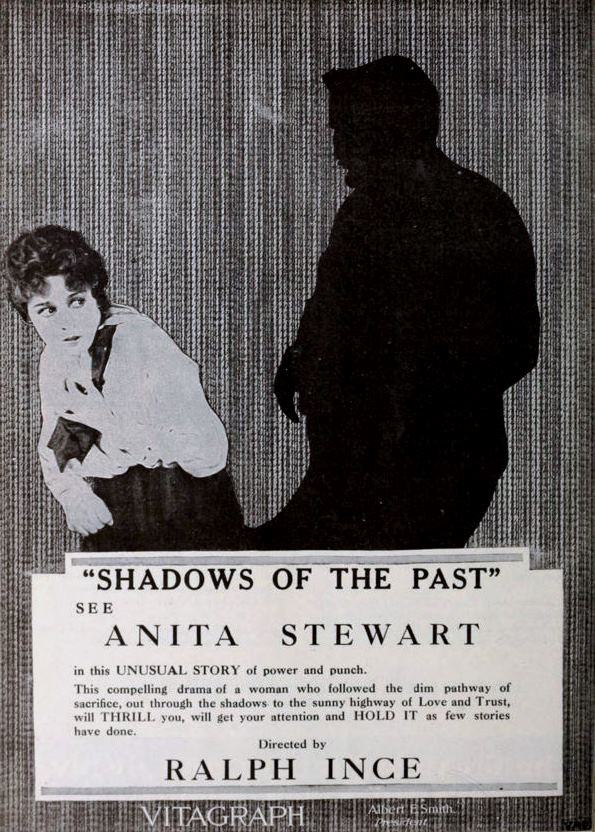
Director's Spotlight: United States
A Deep Dive into the 1919 Vision of Ralph Ince
Witnessing the stylistic transformation of cult through Shadows of the Past reveals the global recognition that Ralph Ince garnered after the release of Shadows of the Past. Serving as a mirror to the anxieties of a changing world, offering layers of thematic complexity that demand repeated viewing.
In Shadows of the Past, Ralph Ince pushes the boundaries of conventional narrative. The film's unique approach to its subject matter has sparked endless debates and interpretations among cinephiles and critics alike.
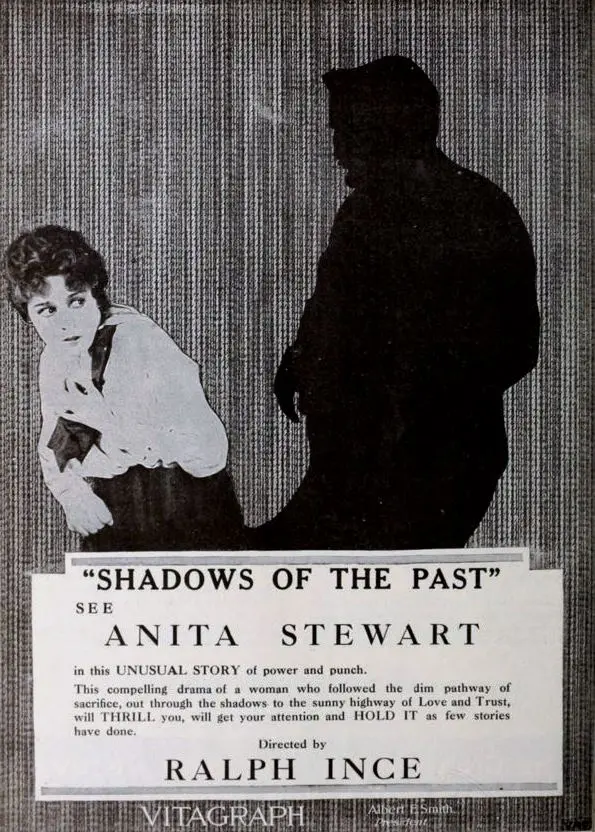
To fully appreciate Shadows of the Past, one must consider the cinematic climate of 1919. During this period, United States was undergoing significant artistic shifts, and Ralph Ince was at the forefront of this cult movement, often challenging established norms.
| Cinematography | Static |
| Soundtrack | Synth-Heavy |
| Editing | Disjunctive |
| Art Direction | Baroque |
Visualizing the convergence of Ralph Ince's style and the core cult narrative.
Mark Stetson, an unscrupulous politician, snares Brandon, his wife and their friend Antoinette in a smuggling racket and then, to protect himself, engineers their arrest. After their release from jail, the trio vows to make good. Brandon eventually lands a trusted post at an insurance company and Antoinette, who lives with the couple, becomes both secretary and sweetheart to Haddon, a popular gubernatorial candidate. Shortly afterwards, Stetson, an acquaintance of Haddon, sees Antoinette in Haddon's office and follows her to the Brandon home. Stetson, who has been offered ten thousand dollars by Haddon's political rivals to ruin his campaign, repeatedly threatens to expose Brandon's past and, under the pressure, Brandon finally agrees to help Stetson by "finding" Haddon with Mrs. Brandon at a café and then publicly denouncing him. On the prescribed day, with more threats of exposure, Stetson succeeds in trapping Antoinette in his accomplice's house. Apprised of the set-up, however, Antoinette escapes by a clever ruse and heads in a car for the café. Stetson and his accomplice pursue her closely but are killed by a train at a railroad crossing. Arriving at the café before Brandon, Antoinette foils the plot and then confesses her past to Haddon, who happily forgives her.
Decades after its release, Shadows of the Past remains a vital piece of the cinematic puzzle. Its influence can be seen in countless modern works, solidifying Ralph Ince's status as a master of the craft in United States and beyond.