
DbcultAccessing Vault...
Director's Spotlight
Senior Film Conservator
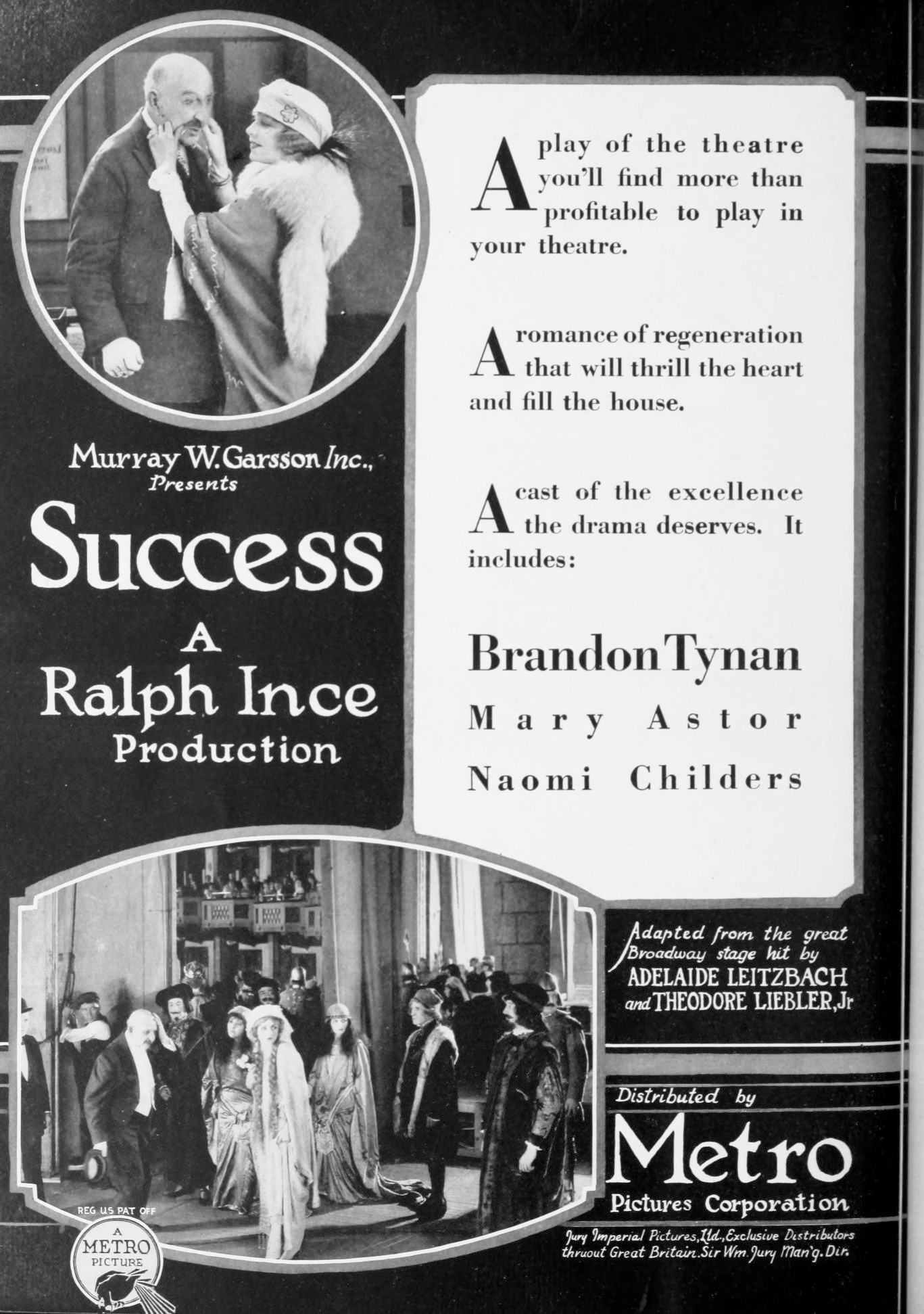
Director's Spotlight: United States
A Deep Dive into the 1923 Vision of Ralph Ince
Exploring the Drama underpinnings of Success leads us to the uncompromising vision of Ralph Ince that defines this Drama masterpiece. Melding the raw energy of United States with a global Drama appeal, it echoes the profound changes occurring in United States during that era.
In Success, Ralph Ince pushes the boundaries of conventional narrative. The film's unique approach to its subject matter has sparked endless debates and interpretations among cinephiles and critics alike.
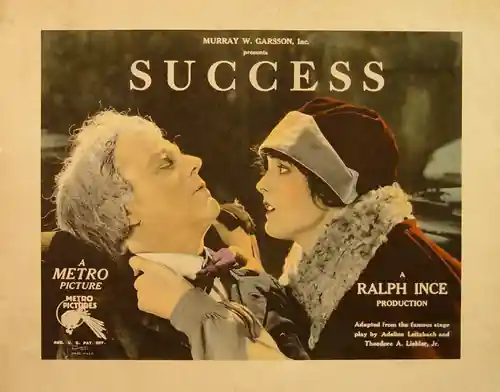
In this work, Ralph Ince explores the intersection of Drama and United States cultural identity. The meticulous attention to detail suggests a deep-seated commitment to pushing the boundaries of the medium, ensuring that Success remains a relevant topic of study for Drama enthusiasts.
| Cinematography | Noir-Inspired |
| Soundtrack | Experimental |
| Editing | Invisible |
| Art Direction | Kitsch |
Visualizing the convergence of Ralph Ince's style and the core Drama narrative.
Famous Shakespearian actor Barry Carleton is unable to cope with his success, falls into drunkenness, and causes his wife to leave him and then to bring up their daughter, Rose, in the belief that her father is dead. Years later, when applying to play again the role of Lear, he is assigned to be dresser for Gilbert Gordon and learns that the production's backer seeks Rose's favor by casting her as Cordelia. On opening night Gilbert, who knows the truth, gets drunk; and Barry goes on in his place. The performance is a great success, Barry is reunited with his wife, and Rose is engaged to Gilbert.
Decades after its release, Success remains a vital piece of the cinematic puzzle. Its influence can be seen in countless modern works, solidifying Ralph Ince's status as a master of the craft in United States and beyond.