
DbcultAccessing Vault...
Director's Spotlight
Senior Film Conservator
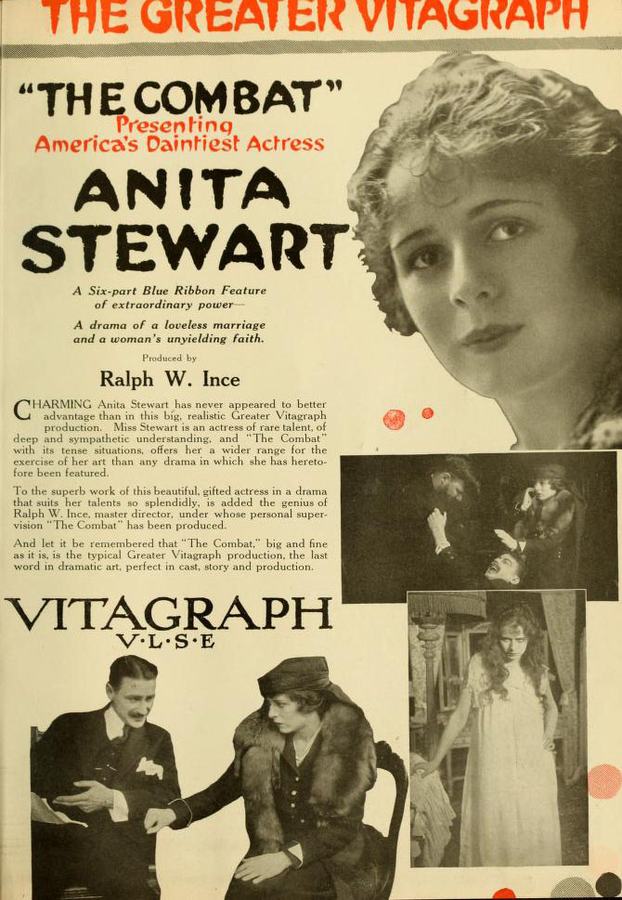
Director's Spotlight: United States
A Deep Dive into the 1916 Vision of Ralph Ince
The brilliance of The Combat (1916) is inseparable from a monumental shift in cult filmmaking spearheaded by Ralph Ince. Occupying a unique space between cult and pure art, it serves as a blueprint for future generations of cult directors.
In The Combat, Ralph Ince pushes the boundaries of conventional narrative. The film's unique approach to its subject matter has sparked endless debates and interpretations among cinephiles and critics alike.
To fully appreciate The Combat, one must consider the cinematic climate of 1916. During this period, United States was undergoing significant artistic shifts, and Ralph Ince was at the forefront of this cult movement, often challenging established norms.
| Cinematography | Handheld |
| Soundtrack | Synth-Heavy |
| Editing | Rhythmic |
| Art Direction | Naturalist |
Visualizing the convergence of Ralph Ince's style and the core cult narrative.
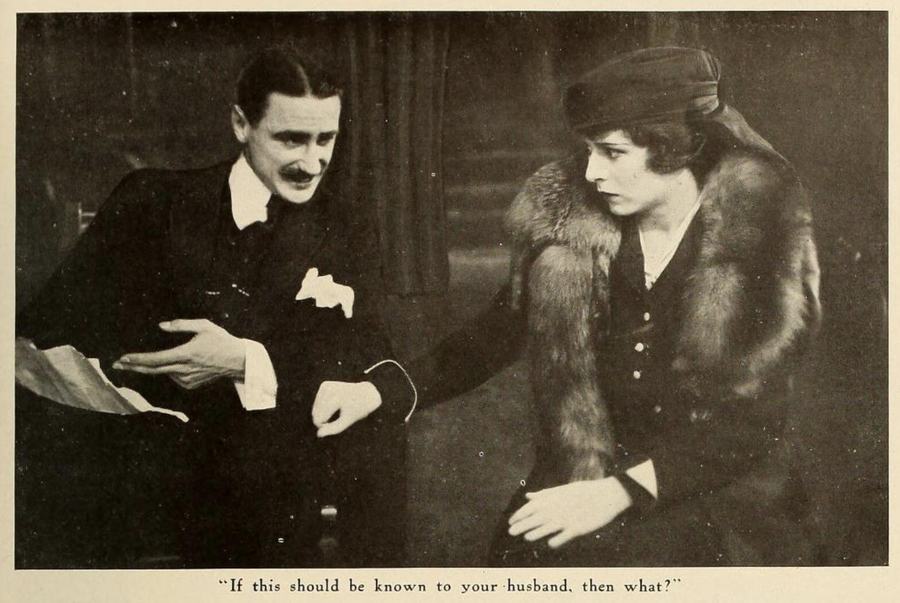
Mrs. Fleming, in secret financial distress, counts upon a brilliant match for her daughter as a way out of her difficulty. Muriel, however, in ignorance of her mother's plight, is attached to Grayson Burton, but when they tell Mrs. Fleming of their love she becomes infuriated and refuses her consent on account of his poverty. Nevertheless, Burton and Muriel secretly marry and he leaves to seek his fortune in the gold fields of the Northwest. He has two partners, Slade, a renegade lawyer from New York, and Rollins, an Englishman. The men strike it rich and Graydon writes Muriel that he is coming to claim her. Slade attempts to rob his partners during the night and is surprised by Rollins, whom Slade kills with Burton's gun. Slade escapes, but returns with police, who arrest Burton on Slade's charge. Seeing that everything is against him in court, Burton escapes and seeks refuge in the wilderness of the mountains, where he becomes a hunted outlaw. Meanwhile the train on which Graydon was supposed to leave is wrecked, and Graydon is reported to be among the dead. Muriel is grief-stricken and decides to keep her secret. Later Philip Lewis, a wealthy lawyer, becomes infatuated with her, and her mother practically coerces the girl into marrying him because of his wealth, finally telling her of their predicament. Soon after her marriage her mother dies. Graydon meanwhile grows desperate and eventually escapes. He starts for New York to claim his wife. Muriel's husband has been appointed district attorney. While Muriel is attending an opera her spying maid steals her secret marriage certificate and sells it to Slade, who has returned to New York and resumed his blackmailing law practice. He writes Muriel a threatening letter and asks her to come to his home to see him that evening. Graydon arrives in New York and sees Slade. He plans to go to his home the same evening and force him to confess to the crime of which he is believed guilty. As he stands outside the French window he is amazed to see his wife there and Slade threatening her. Stepping into the room suddenly, he surprises both, and Slade confesses his guilt. While Muriel talks to Graydon, telling him of her life, Slade seizes a gun. In a fight that follows Muriel kills Slade, fearing her husband's life is in danger and intending only to frighten him by the shot. She escapes and Graydon assumes the blame. Lewis, her husband, prosecutes the case and determines to get a trace of the mysterious veiled woman who ran from the house the night of the murder. He gets a clue to his own wife and grills her until she confesses. Angered and jealous, he prosecutes Graydon knowing he is innocent. Muriel, conscious-stricken, starts for the courtroom to confess, but arrives there after he has been convicted. Lewis promises to pardon the man when made Governor if she will keep her silence. He is elected but refuses to keep his promise. At the last moment when Muriel is determined to kill herself, he weakens and issues the pardon. She then rejoins her true husband.
Decades after its release, The Combat remains a vital piece of the cinematic puzzle. Its influence can be seen in countless modern works, solidifying Ralph Ince's status as a master of the craft in United States and beyond.