
DbcultAccessing Vault...
Director's Spotlight
Senior Film Conservator
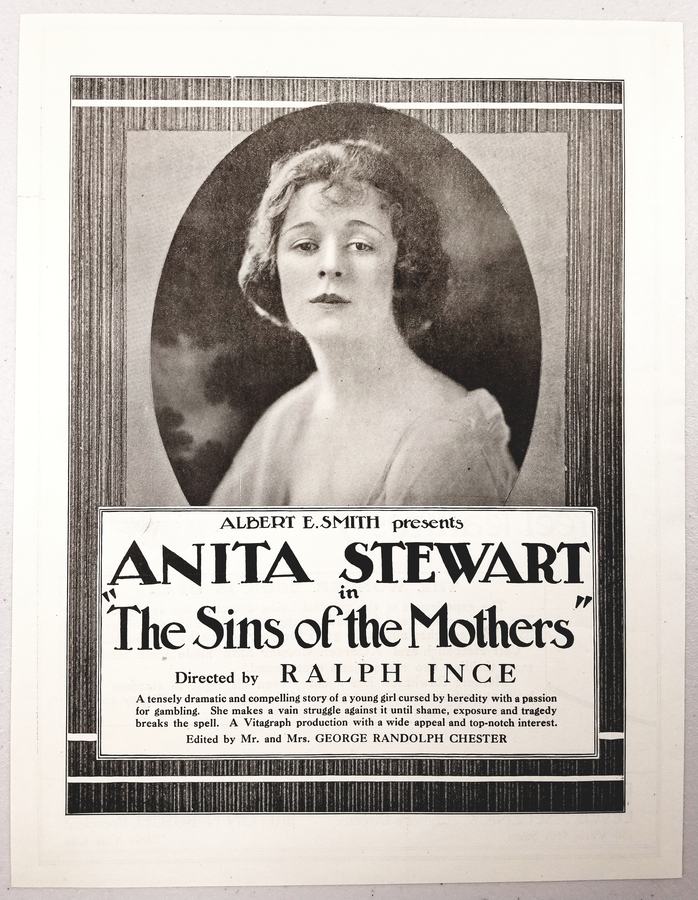
Director's Spotlight: United States
A Deep Dive into the 1914 Vision of Ralph Ince
Deciphering the layers of The Sins of the Mothers (1914) reveals the complex thematic architecture established by Ralph Ince. Utilizing a 1914-specific aesthetic that remains timeless, it stands as the definitive 1914 statement on cult identity.
In The Sins of the Mothers, Ralph Ince pushes the boundaries of conventional narrative. The film's unique approach to its subject matter has sparked endless debates and interpretations among cinephiles and critics alike.
The visual language of The Sins of the Mothers is defined by its use of shadows and framing, a hallmark of Ralph Ince's style. By utilizing a 1914-era palette, the film creates an immersive experience that perfectly complements its cult themes.
| Cinematography | High-Contrast |
| Soundtrack | Experimental |
| Editing | Invisible |
| Art Direction | Kitsch |
Visualizing the convergence of Ralph Ince's style and the core cult narrative.
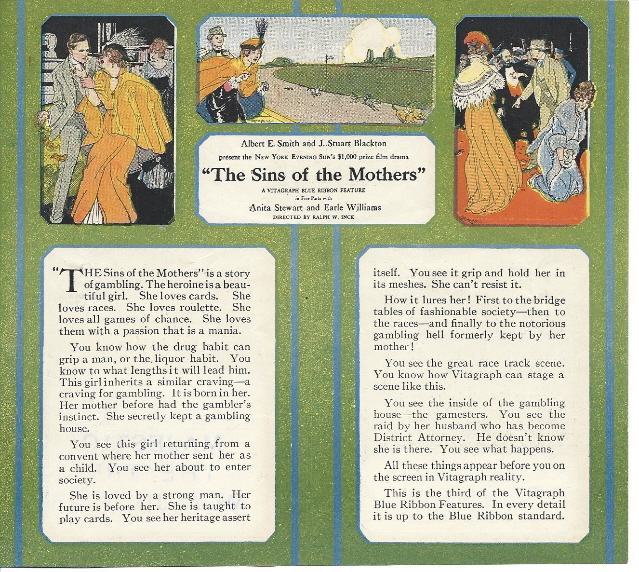
At an early age, Trix, the daughter of Mrs. Raymond, the proprietress of a gambling resort, shows an inherited tendency to gambling. Mrs. Raymond sends her to a convent school, and. learning that Trix desires to become a nun, her mother gives her consent, provided she still cares for that life after spending a year in the social world. The girl is taken into the gay social set and learns the evil ways of the world. With a beginner's luck, she wins at the gaming table, until her mother, frightened, begs her to play no more. It is too late, the girl cannot stop, and when the inevitable turn of luck comes, she is plunged into debt. She calls upon Norris, an old sweetheart, for help, and after paying her debts, he begs her to marry him. She consents, but soon after the wedding breaks her promise by betting on a horse race. She continues gambling surreptitiously and loses money borrowed from Dovey, the old servant. Finally, she pawns a necklace given her by Norris. Dovey is accused of theft and lies to save her young mistress. She is arrested. Norris finds the pawn ticket, forces a confession from his almost insane wife and secures Dovey's release. Her mother sells her business to Henri De Voie, a gambler, and takes Trix away for a trip. Norris is later elected District Attorney, and resolves to stamp out gambling. Trix again finds herself in the terrible clutches of the gambling fever and, unknown to her husband, plays at De Voie's gambling house. Her mother finds her there one night and it so happens that Norris has decided to raid the place on the same evening. When he and his men burst into the place, they find both Trix and her mother. The proprietor tells Norris the truth, and in a quarrel, De Voie draws a revolver with the intention of shooting Norris. This is forestalled by Trix's mother, who, with one loving look at her daughter, atones for her sins by throwing herself between the two men and receiving the bullet in her own heart. Norris leads his sobbing wife away and she turns her back on the gaming table forever.
Decades after its release, The Sins of the Mothers remains a vital piece of the cinematic puzzle. Its influence can be seen in countless modern works, solidifying Ralph Ince's status as a master of the craft in United States and beyond.