
DbcultAccessing Vault...
Director's Spotlight
Senior Film Conservator
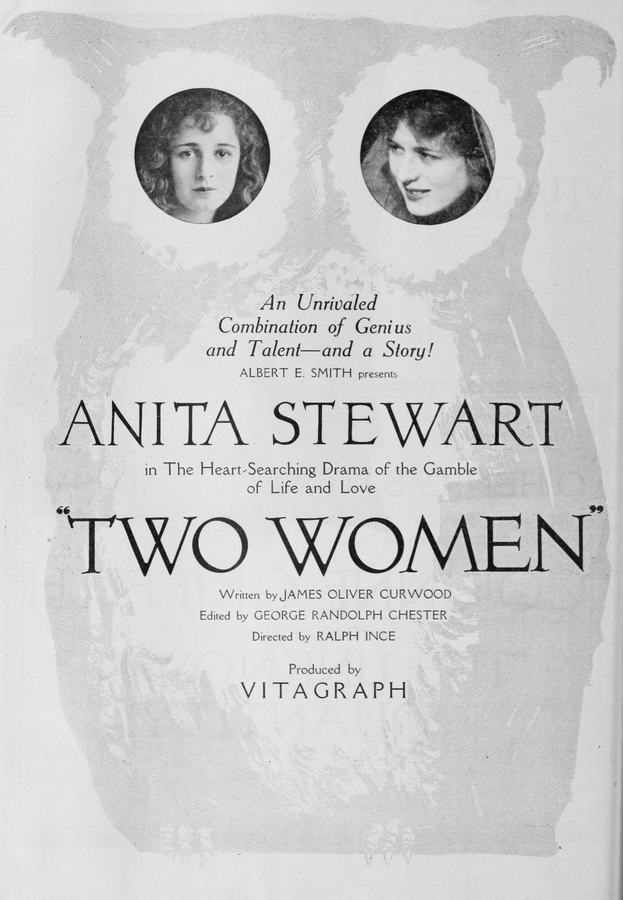
Director's Spotlight: United States
A Deep Dive into the 1919 Vision of Ralph Ince
The artistic breakthrough represented by Two Women in 1919 highlights the philosophical inquiries that Ralph Ince embeds within the narrative. Framed by the hauntingly beautiful landscapes of the production, it leaves an indelible mark on the soul of the viewer.
In Two Women, Ralph Ince pushes the boundaries of conventional narrative. The film's unique approach to its subject matter has sparked endless debates and interpretations among cinephiles and critics alike.
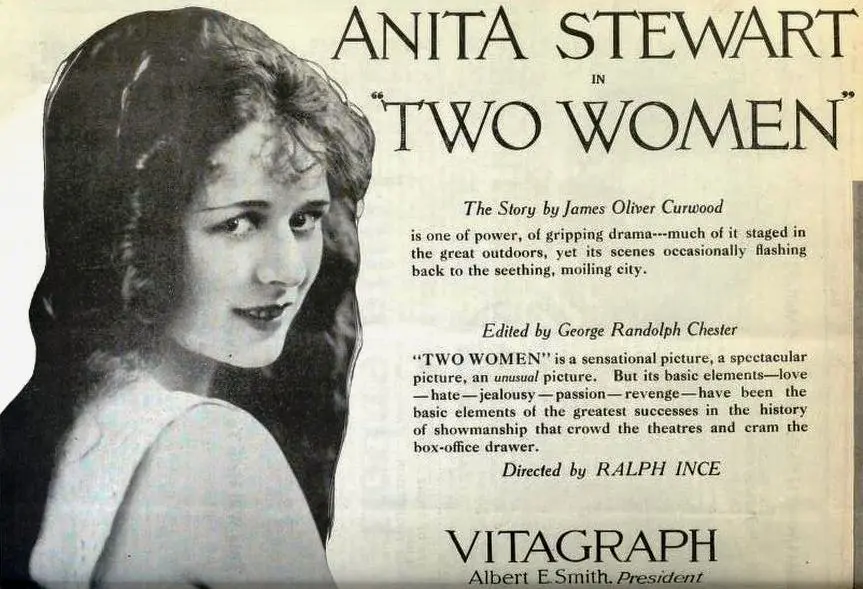
To fully appreciate Two Women, one must consider the cinematic climate of 1919. During this period, United States was undergoing significant artistic shifts, and Ralph Ince was at the forefront of this cult movement, often challenging established norms.
| Cinematography | High-Contrast |
| Soundtrack | Minimalist |
| Editing | Disjunctive |
| Art Direction | Baroque |
Visualizing the convergence of Ralph Ince's style and the core cult narrative.
Geological expert John Leighton naïvely introduces his flirtatious wife Emily, whom he worships, to his boss, W. G. Griggs. Their mutual attraction blossoms into an affair after Griggs sends John to the Graypeak district, ostensibly to prospect for possible quarries. In the mountains, John meets Enid Arden, a timid, beautiful girl, who falls in love with him after he rescues her from being raped. In the city, John discovers the affair, and leaves Emily after beating up Griggs. Emily and Griggs go to Europe to avoid a scandal, and when John reads that Emily has started divorce proceedings, he returns to the mountains to escape his bitter feelings. In Europe, Emily and Griggs quarrel when she complains about his attention to other women. After Griggs is killed by a jealous lover, Emily tracks John to Graypeak. Although John sends her away, Emily is confident that an appeal to Enid's sympathy and honor will cause her to give John up. After Emily's train collides with a freight train, John and Enid face a happy future together.
Decades after its release, Two Women remains a vital piece of the cinematic puzzle. Its influence can be seen in countless modern works, solidifying Ralph Ince's status as a master of the craft in United States and beyond.