
DbcultAccessing Vault...
Director's Spotlight
Senior Film Conservator
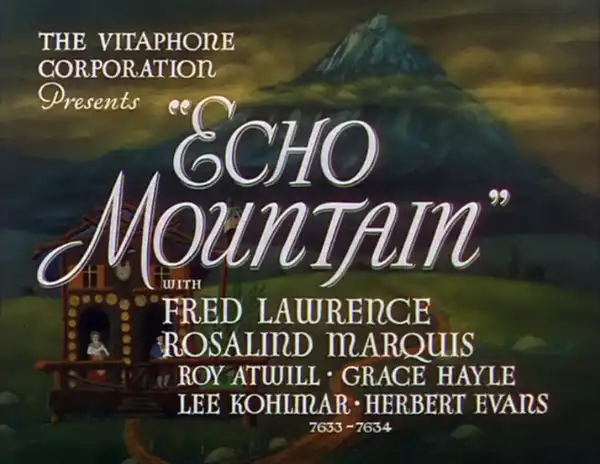
Director's Spotlight: United States
A Deep Dive into the 1936 Vision of Ralph Staub
In the grand tapestry of Short cinema, Echo Mountain serves as a bridge between the bold experimentation that has become synonymous with Ralph Staub. Breaking the traditional rules of Short engagement, it highlights the importance of independent voices in United States.
In Echo Mountain, Ralph Staub pushes the boundaries of conventional narrative. The film's unique approach to its subject matter has sparked endless debates and interpretations among cinephiles and critics alike.
| Cinematography | Handheld |
| Soundtrack | Orchestral |
| Editing | Invisible |
| Art Direction | Kitsch |
Visualizing the convergence of Ralph Staub's style and the core Short narrative.
In the Swiss Alps, guide Johann is leading some tourists - in some ways they somewhat unprepared, and in other ways more prepared than most - up Echo Mountain where they can not only enjoy nature, but experience the wonder at one point along the mountain trail of throwing their voices in echos. Caught in a storm, Johann decides they should take refuge at the inn, which gives him the opportunity to see Wilhemina, the innkeeper's granddaughter with who he is secretly in love, she in turn secretly in love with him. While the tourists get a chance to experience other Swiss glories at the inn, Johann and Wilhelmina may get a chance to express to each other how they really feel.
Decades after its release, Echo Mountain remains a vital piece of the cinematic puzzle. Its influence can be seen in countless modern works, solidifying Ralph Staub's status as a master of the craft in United States and beyond.