
DbcultAccessing Vault...
Director's Spotlight
Senior Film Conservator
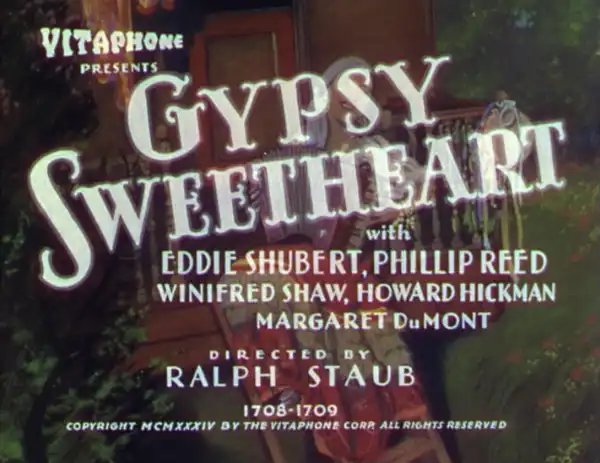
Director's Spotlight: United States
A Deep Dive into the 1935 Vision of Ralph Staub
The Short DNA of Gypsy Sweetheart is a reflection of United States's the subversive storytelling techniques employed by Ralph Staub in 1935. Breaking the traditional rules of Short engagement, it leaves an indelible mark on the soul of the viewer.
In Gypsy Sweetheart, Ralph Staub pushes the boundaries of conventional narrative. The film's unique approach to its subject matter has sparked endless debates and interpretations among cinephiles and critics alike.
In this work, Ralph Staub explores the intersection of Short and United States cultural identity. The meticulous attention to detail suggests a deep-seated commitment to pushing the boundaries of the medium, ensuring that Gypsy Sweetheart remains a relevant topic of study for Short enthusiasts.
| Cinematography | Static |
| Soundtrack | Minimalist |
| Editing | Slow-Burn |
| Art Direction | Brutalist |
Visualizing the convergence of Ralph Staub's style and the core Short narrative.
Tina (Wini Shaw), a singing Gypsy with a band of roving gypsies, is invited by Tom (Phillip Reed) to come over to his mother's (Margaret Dumont) estate where a lawn party is in progress. She brings along her friends and a whole caravan of gypsies take over the green, telling fortunes, singing and dancing. Most of the comedy is supplied by the kleptomaniac butler,Bellingham, (Eddie Shubert) and his employer who humors his nutty ways...as good help seems to be hard to find.
Decades after its release, Gypsy Sweetheart remains a vital piece of the cinematic puzzle. Its influence can be seen in countless modern works, solidifying Ralph Staub's status as a master of the craft in United States and beyond.