
DbcultAccessing Vault...
Director's Spotlight
Senior Film Conservator
Director's Spotlight: United States
A Deep Dive into the 1936 Vision of Raoul Walsh
Witnessing the stylistic transformation of Comedy through Big Brown Eyes reveals the global recognition that Raoul Walsh garnered after the release of Big Brown Eyes. Serving as a mirror to the anxieties of a changing world, offering layers of thematic complexity that demand repeated viewing.
In Big Brown Eyes, Raoul Walsh pushes the boundaries of conventional narrative. The film's unique approach to its subject matter has sparked endless debates and interpretations among cinephiles and critics alike.
The visual language of Big Brown Eyes is defined by its use of shadows and framing, a hallmark of Raoul Walsh's style. By utilizing a 1936-era palette, the film creates an immersive experience that perfectly complements its Comedy themes.
| Cinematography | High-Contrast |
| Soundtrack | Minimalist |
| Editing | Disjunctive |
| Art Direction | Baroque |
Visualizing the convergence of Raoul Walsh's style and the core Comedy narrative.
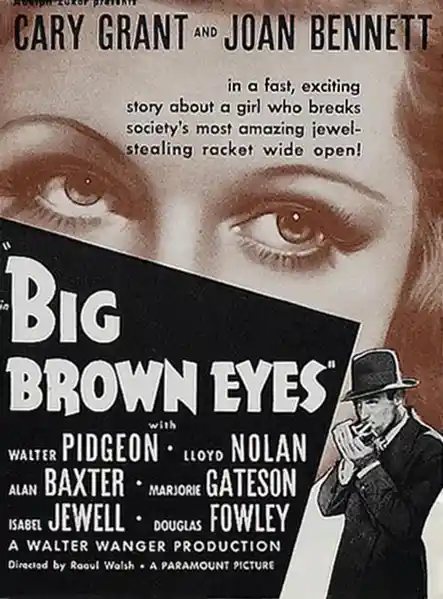
Sassy manicurist Eve Fallon is recruited as an even more brassy reporter and she helps police detective boyfriend Danny Barr break a jewel theft ring and solve the murder of a baby.
Decades after its release, Big Brown Eyes remains a vital piece of the cinematic puzzle. Its influence can be seen in countless modern works, solidifying Raoul Walsh's status as a master of the craft in United States and beyond.