
DbcultAccessing Vault...
Director's Spotlight
Senior Film Conservator
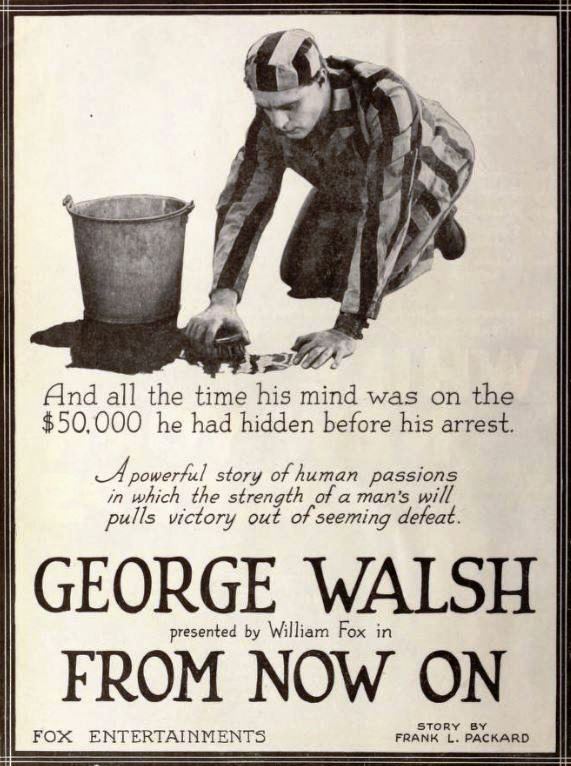
Director's Spotlight: United States
A Deep Dive into the 1920 Vision of Raoul Walsh
The enduring fascination with From Now On is a testament to the artistic risks taken by Raoul Walsh that eventually paid off. Challenging the viewer to find meaning in the Action shadows, it reminds us of the fragility and beauty of the 1920s.
In From Now On, Raoul Walsh pushes the boundaries of conventional narrative. The film's unique approach to its subject matter has sparked endless debates and interpretations among cinephiles and critics alike.
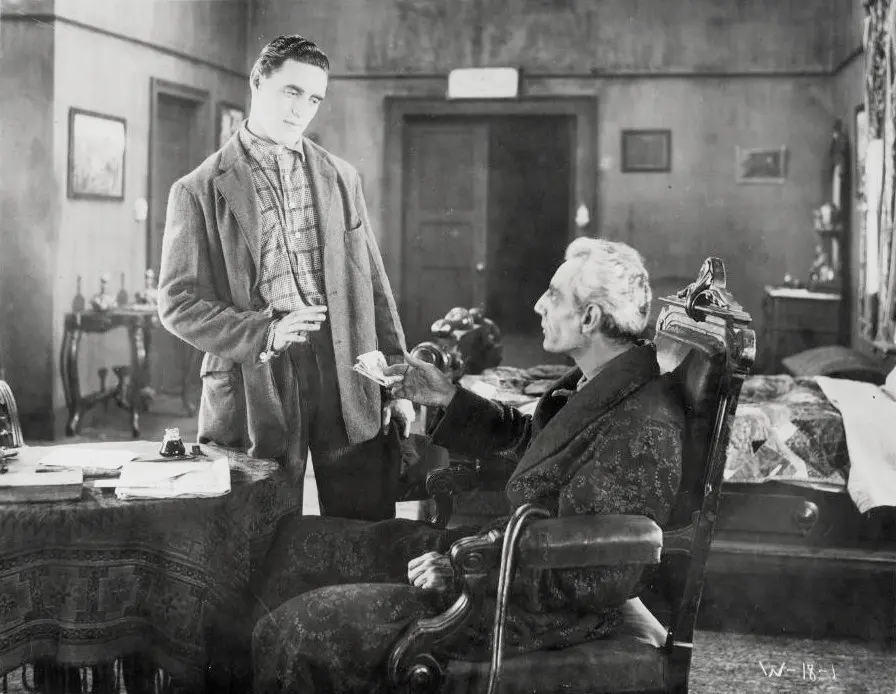
To fully appreciate From Now On, one must consider the cinematic climate of 1920. During this period, United States was undergoing significant artistic shifts, and Raoul Walsh was at the forefront of this Action movement, often challenging established norms.
| Cinematography | Static |
| Soundtrack | Minimalist |
| Editing | Disjunctive |
| Art Direction | Baroque |
Visualizing the convergence of Raoul Walsh's style and the core Action narrative.
Dave Henderson, an orphan who has become the beneficiary of a rich man's will, falls in with race-track crooks Martin Tydeman and Bokky Sharvan who bilk him out of his $100,000 inheritance. In retaliation, Dave steals the money from Tydeman's safe, but is caught and sentenced to five years in jail. In prison, Dave becomes friendly with Millman, who is about to be released, and reveals the money's hiding place to him, arranging to rendezvous at the end of Dave's term. Once released, Dave is hounded by members of Tydeman's gang as well as the police, who are waiting for him to retrieve his bounty. While taking refuge at the house of Capriano, an old bomb maker, Dave falls in love with the old man's daughter Teresa. However, Capriano sets a trap for Dave, who awakens in a drugged state to find the $100,000 missing. With the help of Millman and Teresa, Dave recovers the money, turns it over to the police and resolves to go straight.
Decades after its release, From Now On remains a vital piece of the cinematic puzzle. Its influence can be seen in countless modern works, solidifying Raoul Walsh's status as a master of the craft in United States and beyond.