
DbcultAccessing Vault...
Director's Spotlight
Senior Film Conservator
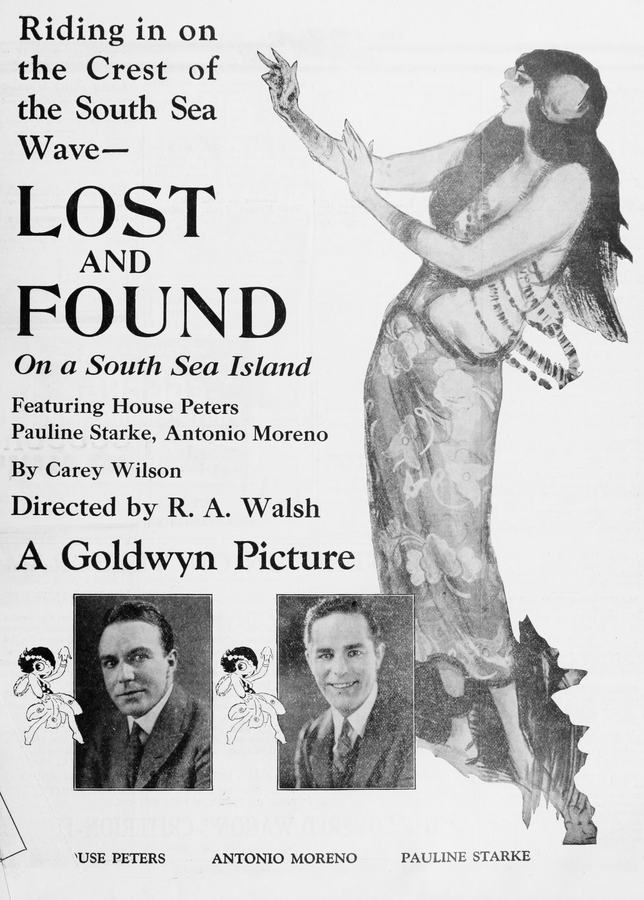
Director's Spotlight: United States
A Deep Dive into the 1923 Vision of Raoul Walsh
In the grand tapestry of Drama cinema, Lost and Found on a South Sea Island serves as a bridge between the bold experimentation that has become synonymous with Raoul Walsh. Breaking the traditional rules of Drama engagement, it highlights the importance of independent voices in United States.
In Lost and Found on a South Sea Island, Raoul Walsh pushes the boundaries of conventional narrative. The film's unique approach to its subject matter has sparked endless debates and interpretations among cinephiles and critics alike.
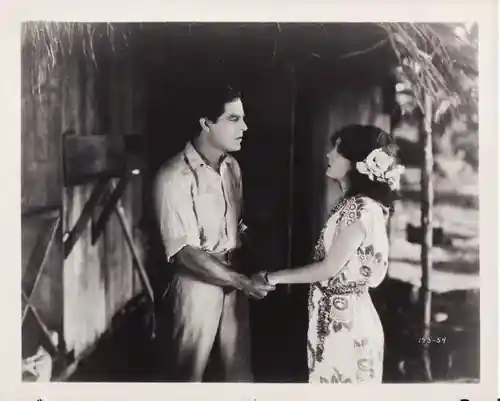
To fully appreciate Lost and Found on a South Sea Island, one must consider the cinematic climate of 1923. During this period, United States was undergoing significant artistic shifts, and Raoul Walsh was at the forefront of this Drama movement, often challenging established norms.
| Cinematography | Handheld |
| Soundtrack | Diegetic |
| Editing | Rhythmic |
| Art Direction | Naturalist |
Visualizing the convergence of Raoul Walsh's style and the core Drama narrative.
Faulke, a swindling white trader who persuaded Madge to leave Captain Blackbird, insists that her daughter Lorna marry native leader Waki, although she loves Lloyd Warren. While searching for a doll for his other daughter Baby Madge, Captain Blackbird comes to Pago Pago and gruffly refuses to aid Lloyd and Lorna, whom he doesn't recognize, but a chance encounter with Faulke reveals the evil doings and Lorna's identity. The captain and his men rush to the island and rescue Lorna from the warring natives.
Decades after its release, Lost and Found on a South Sea Island remains a vital piece of the cinematic puzzle. Its influence can be seen in countless modern works, solidifying Raoul Walsh's status as a master of the craft in United States and beyond.