
DbcultAccessing Vault...
Director's Spotlight
Senior Film Conservator
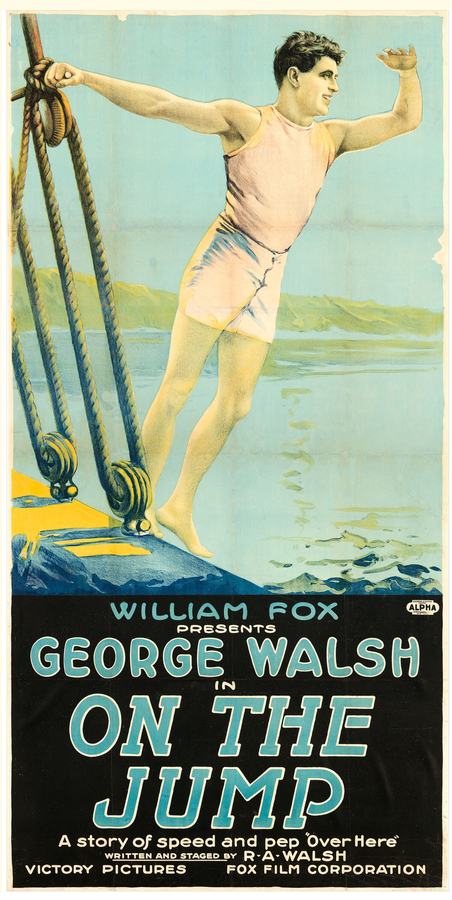
Director's Spotlight: United States
A Deep Dive into the 1918 Vision of Raoul Walsh
Witnessing the stylistic transformation of cult through On the Jump reveals the global recognition that Raoul Walsh garnered after the release of On the Jump. Serving as a mirror to the anxieties of a changing world, offering layers of thematic complexity that demand repeated viewing.
In On the Jump, Raoul Walsh pushes the boundaries of conventional narrative. The film's unique approach to its subject matter has sparked endless debates and interpretations among cinephiles and critics alike.
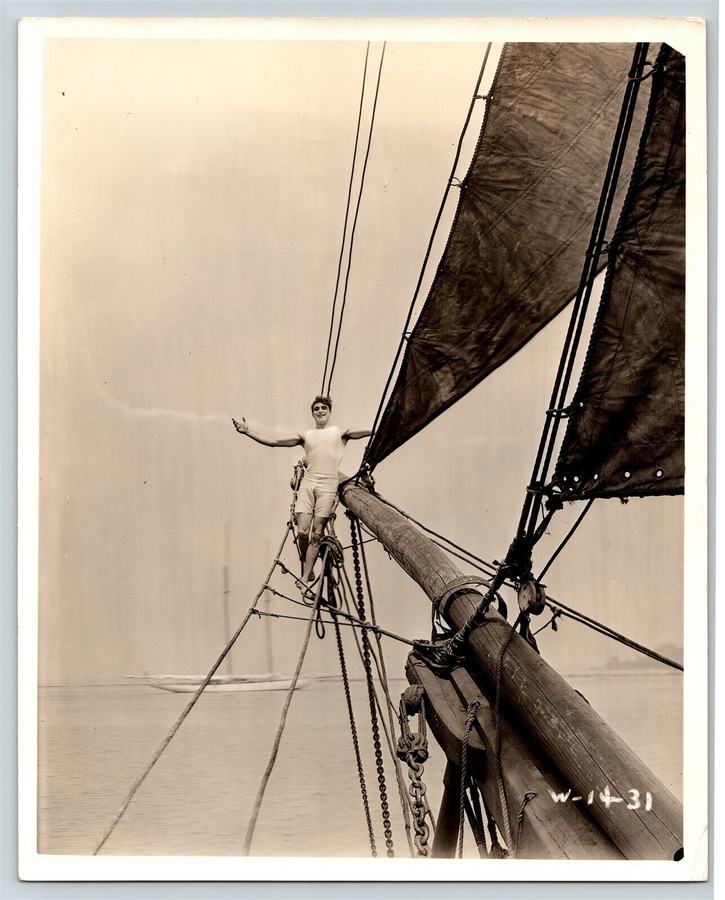
The visual language of On the Jump is defined by its use of shadows and framing, a hallmark of Raoul Walsh's style. By utilizing a 1918-era palette, the film creates an immersive experience that perfectly complements its cult themes.
| Cinematography | Static |
| Soundtrack | Orchestral |
| Editing | Slow-Burn |
| Art Direction | Brutalist |
Visualizing the convergence of Raoul Walsh's style and the core cult narrative.
During World War I, an enterprising and patriotic reporter named Jack Bartlett interviews President Woodrow Wilson on the importance of the Fourth Liberty Loan. Jack returns from Washington to find that Otto Crumley, a German sympathizer, has taken control of his newspaper, and when Crumley tears up the story, Jack resigns and joins the Liberty Loan campaign. After raising a large sum of money for the government, Jack succeeds in preventing a strike in a local munitions plant. Later, he learns that Crumley, actually a German agent, has stolen a secret gasoline substitute formula invented by William Desmond, the father of his girlfriend Margaret. Crumley imprisons Margaret, but Jack rescues her and then swims out to the schooner on which Crumley is making his escape. The spy apprehended, Jack turns the ship's guns on a German submarine and sinks it.
Decades after its release, On the Jump remains a vital piece of the cinematic puzzle. Its influence can be seen in countless modern works, solidifying Raoul Walsh's status as a master of the craft in United States and beyond.