
DbcultAccessing Vault...
Director's Spotlight
Senior Film Conservator
Director's Spotlight: United States
A Deep Dive into the 1920 Vision of Raoul Walsh
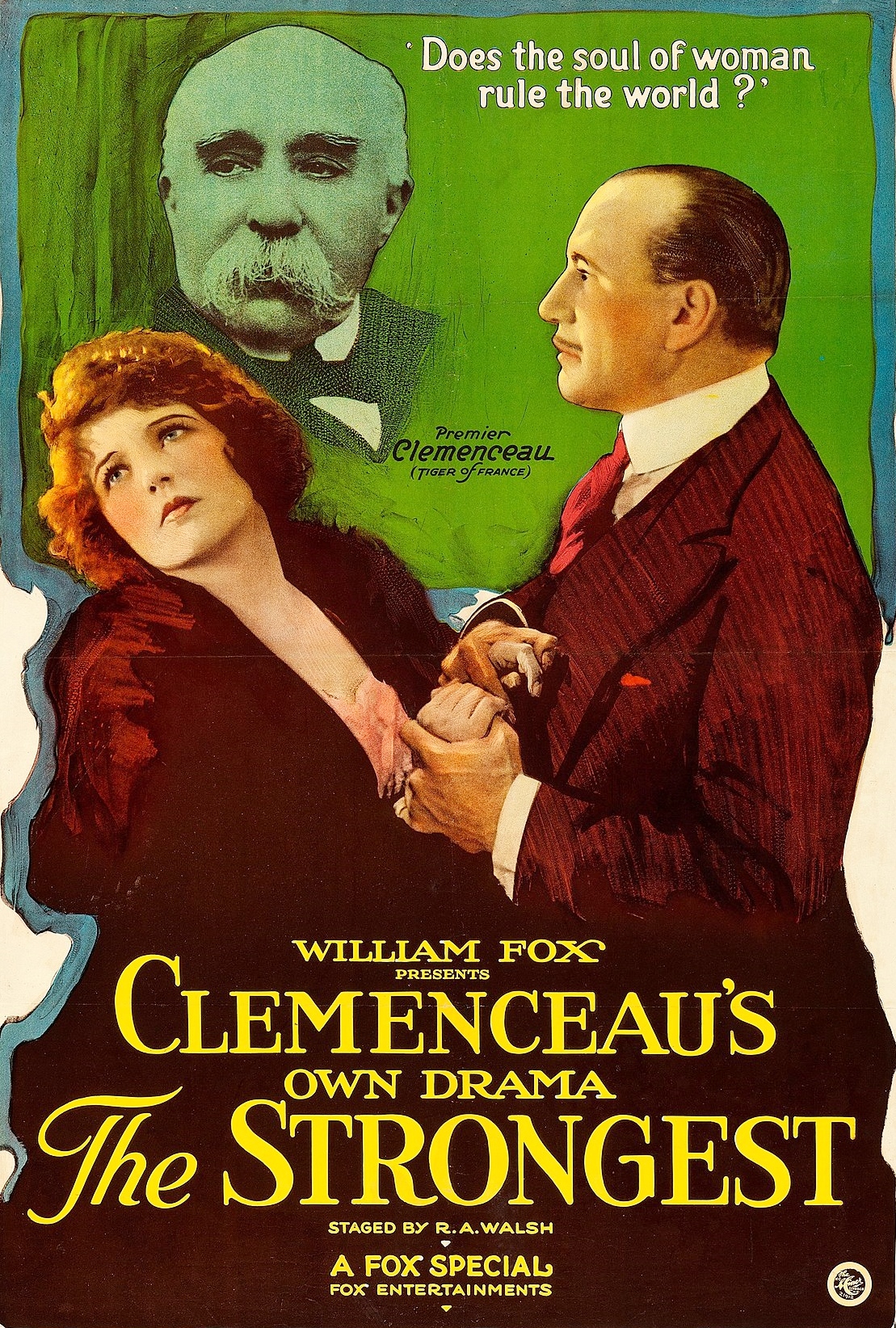
The evocative power of The Strongest stems from the unique collaboration between the bold experimentation that has become synonymous with Raoul Walsh. Framed by the hauntingly beautiful landscapes of the production, it echoes the profound changes occurring in United States during that era.
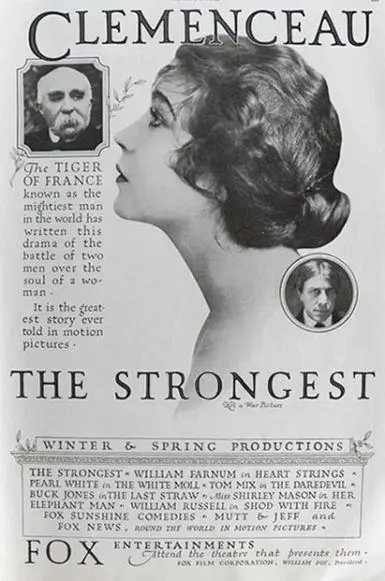
In The Strongest, Raoul Walsh pushes the boundaries of conventional narrative. The film's unique approach to its subject matter has sparked endless debates and interpretations among cinephiles and critics alike.
| Cinematography | Handheld |
| Soundtrack | Minimalist |
| Editing | Slow-Burn |
| Art Direction | Brutalist |
Visualizing the convergence of Raoul Walsh's style and the core cult narrative.
Harle, a successful French businessman, is so absorbed with his factory that he neglects his wife Claire. One day, Harle's old friend Henri, the Marquis de Puymaufray, comes to visit, and Claire falls in love with the cultured and sensitive man. Several months after his departure, Claire gives birth to a baby girl, Claudia, and dies shortly afterward from neglect and depression. Twenty years pass and Claudia has grown into a beautiful woman. Her father wishes her to wed a count, but she loves Maurice, a young American. During a labor dispute, Claudia is abducted by her father's disgruntled employees and held for ransom. The marquis, who has long watched over the girl, loses his life in a rescue attempt, but Maurice finally succeeds in liberating his sweetheart. After the marquis' death, it is revealed that Claudia actually was his daughter, and Harle, crushed, retires to his country estate, freeing the girl to voyage to America with the man she loves.
Decades after its release, The Strongest remains a vital piece of the cinematic puzzle. Its influence can be seen in countless modern works, solidifying Raoul Walsh's status as a master of the craft in United States and beyond.