
DbcultAccessing Vault...
Director's Spotlight
Senior Film Conservator
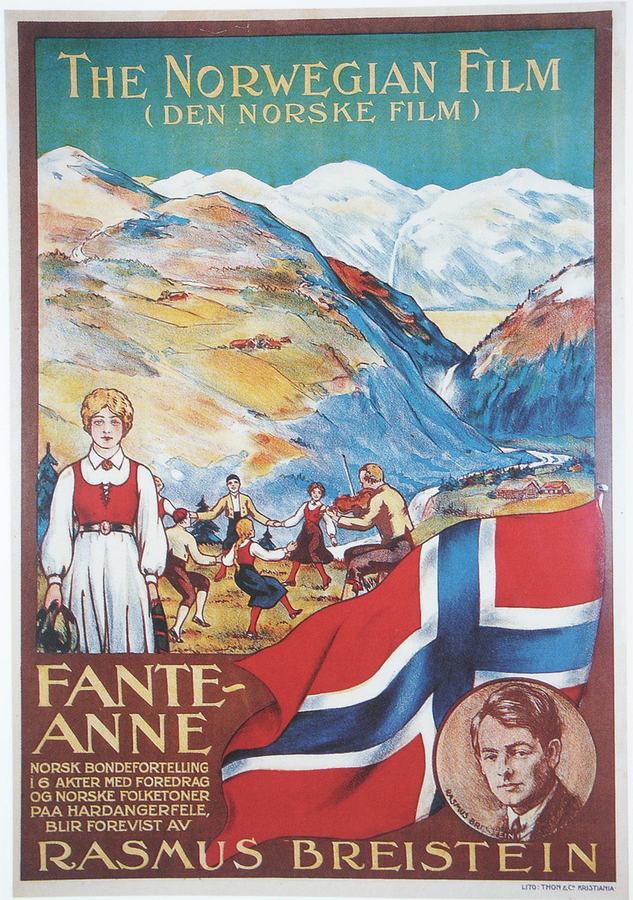
Director's Spotlight: Norway
A Deep Dive into the 1920 Vision of Rasmus Breistein
The enduring fascination with Gypsy Anne is a testament to the defining moment in cult history that Rasmus Breistein helped create. This film stands as a masterclass in visual storytelling, it has cemented its place in the global cult cinema archive.
In Gypsy Anne, Rasmus Breistein pushes the boundaries of conventional narrative. The film's unique approach to its subject matter has sparked endless debates and interpretations among cinephiles and critics alike.
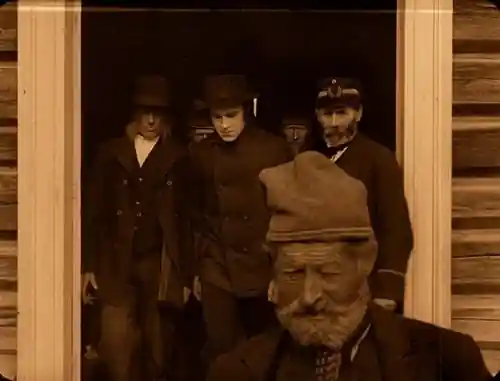
The visual language of Gypsy Anne is defined by its use of shadows and framing, a hallmark of Rasmus Breistein's style. By utilizing a 1920-era palette, the film creates an immersive experience that perfectly complements its cult themes.
| Cinematography | High-Contrast |
| Soundtrack | Orchestral |
| Editing | Invisible |
| Art Direction | Kitsch |
Visualizing the convergence of Rasmus Breistein's style and the core cult narrative.
The story of an orphaned girl brought up by the Storlein family. Young Anne (Asta Nielsen) is brought as an infant to the Storlein farm by her mother, who has been traveling and is in need of a rest. The two are turned away at the door, and the mother takes her young daughter to the barn to sleep. The farmhand Jon discovers them in the morning but the mother has not made it through the night, so young Anne is taken in and raised by the family. She is a rambunctious little girl, always getting her younger (step) brother into trouble. Finally mother Storlein has had enough, and lets slip that she never should have taken Anne in. Young Anne goes to Jon and learns the truth of her arrival at the farm. Years pass, and she and her younger step-brother are now smitten. But Jon, the farmhand who found her in the barn all those years ago is also in love with Anne. Anne will be betrayed by one and saved from a life in prison by the other, and in the end will find true happiness in a new land.
Decades after its release, Gypsy Anne remains a vital piece of the cinematic puzzle. Its influence can be seen in countless modern works, solidifying Rasmus Breistein's status as a master of the craft in Norway and beyond.