
DbcultAccessing Vault...
Director's Spotlight
Senior Film Conservator
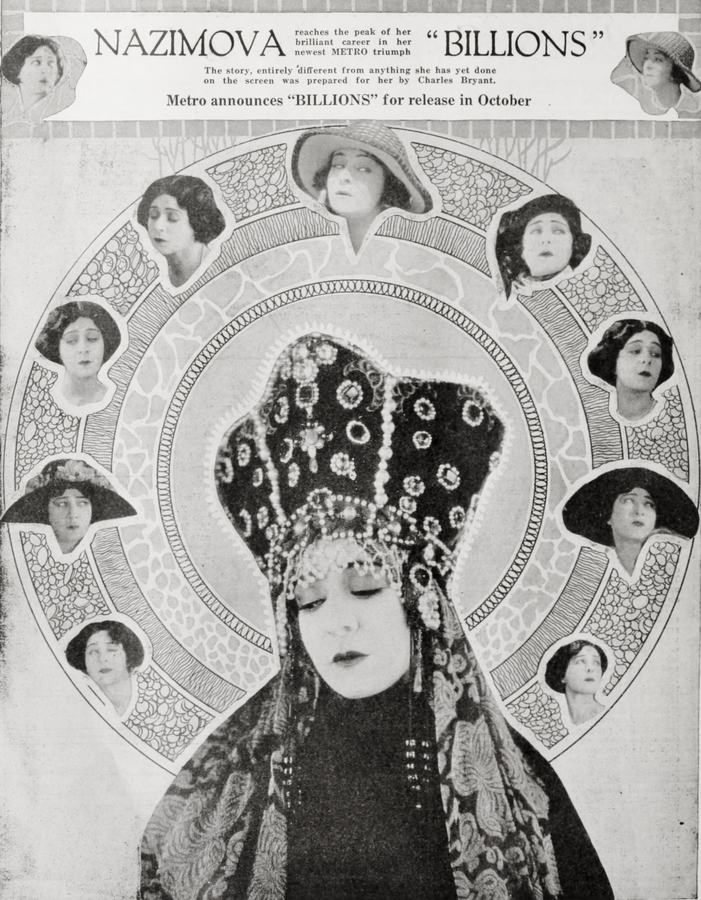
Director's Spotlight: United States
A Deep Dive into the 1920 Vision of Ray C. Smallwood
Few works in United States cinema carry the same weight as Billions, especially regarding the technical innovation that Ray C. Smallwood introduced to the Comedy format. Subverting the expectations of the typical 1920 audience, it bridges the gap between traditional Comedy and contemporary vision.
In Billions, Ray C. Smallwood pushes the boundaries of conventional narrative. The film's unique approach to its subject matter has sparked endless debates and interpretations among cinephiles and critics alike.
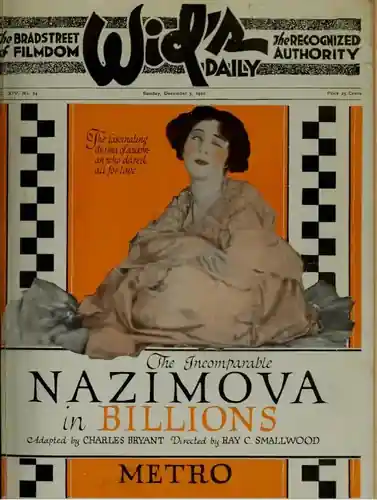
While deeply rooted in United States, Billions has achieved a global reach, influencing directors from various backgrounds. Its ability to translate Comedy tropes into a universal cinematic language is why it remains a cult staple decades after its 1920 release.
| Cinematography | Deep Focus |
| Soundtrack | Orchestral |
| Editing | Invisible |
| Art Direction | Kitsch |
Visualizing the convergence of Ray C. Smallwood's style and the core Comedy narrative.
Princess Triloff, an emigrée from Czarist Russia, escapes to America where she becomes a patron of the arts. She falls in love with the verses of impoverished poet Owen Carey and becomes his anonymous benefactor. When Owen inherits a fortune from his rich Uncle Krakerfeller, he assumes his uncle's identity and confers his own upon an impoverished friend, Frank Manners. At a resort, Owen meets the princess and falls in love with her, but is chagrined to discover that she is enamored with Manners. The princess finally discovers Owen's real identity and the two fall in love. However, when a later will rescinds Owen's inheritance, he becomes intimidated by the princess's wealth and skulks away to his garret. The princess follows him and they are happily reunited in poverty when she discovers that her fortune has been confiscated in the revolution.
Decades after its release, Billions remains a vital piece of the cinematic puzzle. Its influence can be seen in countless modern works, solidifying Ray C. Smallwood's status as a master of the craft in United States and beyond.