
DbcultAccessing Vault...
Director's Spotlight
Senior Film Conservator
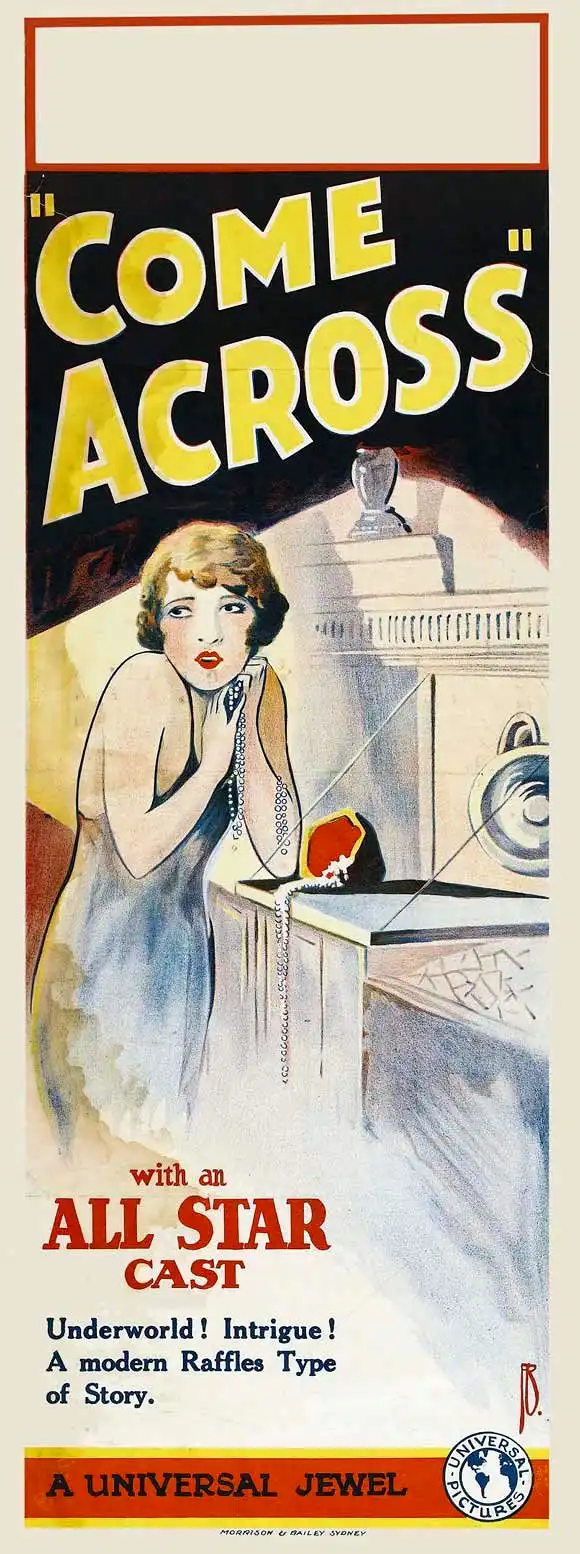
Director's Spotlight: United States
A Deep Dive into the 1929 Vision of Ray Taylor
Exploring the Drama underpinnings of Come Across leads us to the uncompromising vision of Ray Taylor that defines this Drama masterpiece. Melding the raw energy of United States with a global Drama appeal, it echoes the profound changes occurring in United States during that era.
In Come Across, Ray Taylor pushes the boundaries of conventional narrative. The film's unique approach to its subject matter has sparked endless debates and interpretations among cinephiles and critics alike.

While deeply rooted in United States, Come Across has achieved a global reach, influencing directors from various backgrounds. Its ability to translate Drama tropes into a universal cinematic language is why it remains a cult staple decades after its 1929 release.
| Cinematography | Noir-Inspired |
| Soundtrack | Synth-Heavy |
| Editing | Rhythmic |
| Art Direction | Naturalist |
Visualizing the convergence of Ray Taylor's style and the core Drama narrative.
On a whim, Mary, a high society girl works as a cabaret dancer in a shady New York nightclub. The crooked owner of the club is attempting to bunco a millionaire with the aid of Harry, who has fallen for Mary. She agrees to help in the scheme, but wishing to avoid putting him in real danger, asks old friend George to pose as the rich victim, but in a fit of jealousy, he double crosses them all.
Decades after its release, Come Across remains a vital piece of the cinematic puzzle. Its influence can be seen in countless modern works, solidifying Ray Taylor's status as a master of the craft in United States and beyond.