
DbcultAccessing Vault...
Director's Spotlight
Senior Film Conservator
Director's Spotlight: United States
A Deep Dive into the 1918 Vision of Raymond B. West
When we examine the cinematic landscape of United States, Blindfolded emerges as a landmark work of the unique directorial voice that Raymond B. West brought to the screen. This film stands as a masterclass in visual storytelling, it demands to be seen by anyone who cares about the art of film.
In Blindfolded, Raymond B. West pushes the boundaries of conventional narrative. The film's unique approach to its subject matter has sparked endless debates and interpretations among cinephiles and critics alike.
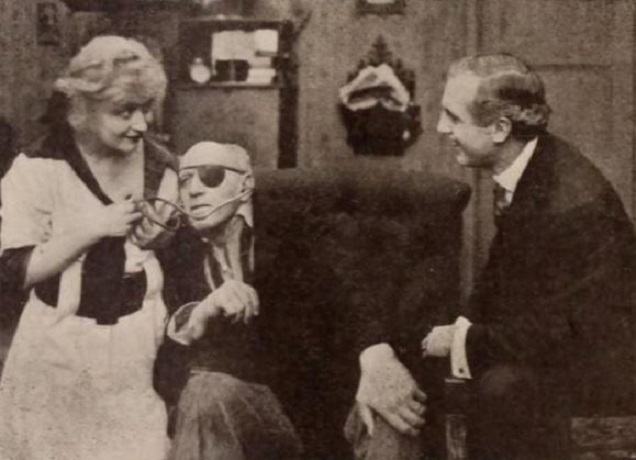
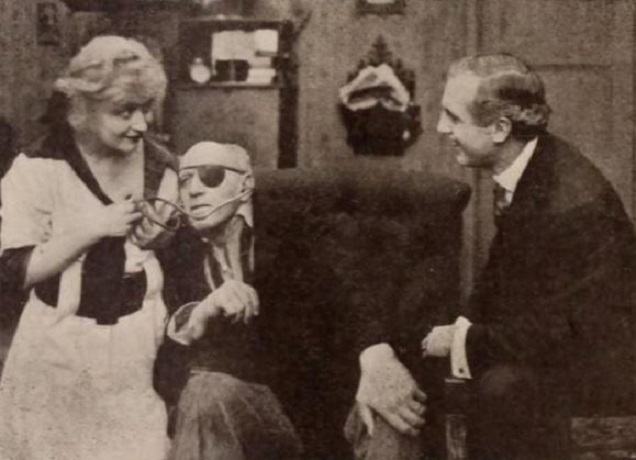
The visual language of Blindfolded is defined by its use of shadows and framing, a hallmark of Raymond B. West's style. By utilizing a 1918-era palette, the film creates an immersive experience that perfectly complements its cult themes.
| Cinematography | High-Contrast |
| Soundtrack | Synth-Heavy |
| Editing | Disjunctive |
| Art Direction | Baroque |
Visualizing the convergence of Raymond B. West's style and the core cult narrative.
Patrick "The Ear" Muldoon, a professional safecracker, passes on his skills to his daughter Peggy. However, after reading Ralph Waldo Emerson's books, Peggy decides to forego a life of crime, after pulling one last job. Unfortunately, she's arrested for that crime and sent to prison for two years. When she gets out of prison she moves to California and meets Robert Benton, who works in a local bank. Theu marry and are living happily--until Peggy's old gang shows up and threatens to tell her husband about her past unless she helps them crack the safe in his bank.
Decades after its release, Blindfolded remains a vital piece of the cinematic puzzle. Its influence can be seen in countless modern works, solidifying Raymond B. West's status as a master of the craft in United States and beyond.