
DbcultAccessing Vault...
Director's Spotlight
Senior Film Conservator
Director's Spotlight: United States
A Deep Dive into the 1915 Vision of Raymond B. West
Few works in United States cinema carry the same weight as The Mating, especially regarding the cultural zeitgeist captured so perfectly by Raymond B. West in 1915. Utilizing a 1915-specific aesthetic that remains timeless, it serves as a blueprint for future generations of cult directors.
In The Mating, Raymond B. West pushes the boundaries of conventional narrative. The film's unique approach to its subject matter has sparked endless debates and interpretations among cinephiles and critics alike.
To fully appreciate The Mating, one must consider the cinematic climate of 1915. During this period, United States was undergoing significant artistic shifts, and Raymond B. West was at the forefront of this cult movement, often challenging established norms.
| Cinematography | Deep Focus |
| Soundtrack | Experimental |
| Editing | Elliptical |
| Art Direction | Expressionist |
Visualizing the convergence of Raymond B. West's style and the core cult narrative.
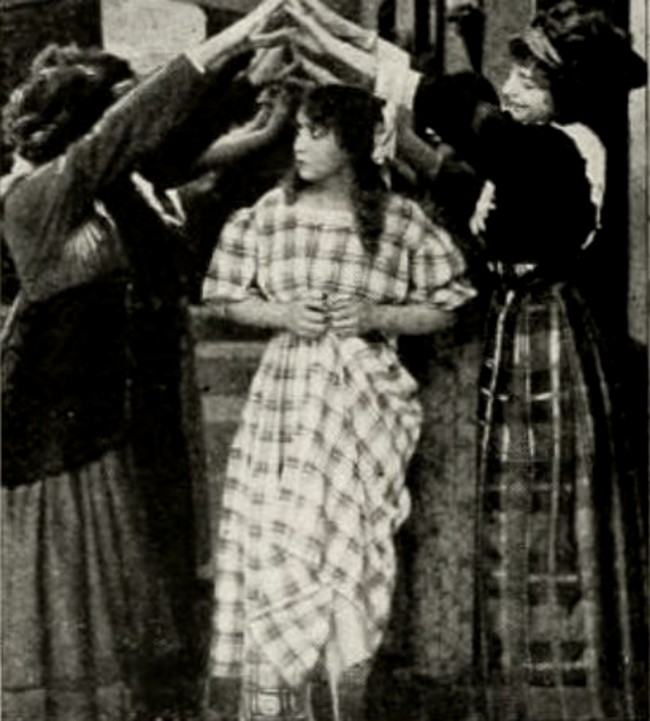
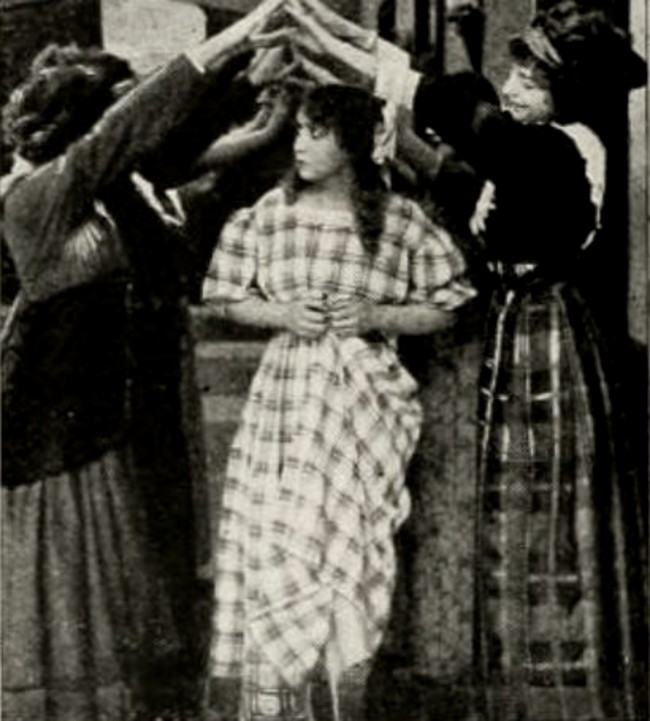
Doris Willard, the daughter of a village minister, achieves the realization of her great dream, a year at college. Doris, although a sweet and pretty girl, is greatly handicapped by her clothes. On her arrival at college she is eyed by the other girls with concealed amusement and curiosity and soon realizes that she "doesn't belong." The girls snub her at every opportunity and she is desperately lonesome and longs for companionship. The Saturday before Thanksgiving when everyone else has gone to the big Princeton-Yale game, Doris sits alone in her room. She picks up the newspaper and sees in it a picture that greatly appeals to her. It is a newspaper cut of "Bullet" Dick Ames, the universal choice for the '"All-American Eleven." She conceives a desperate plan. She thinks nobody at her college knows Dick and decides she will make the girls think he is in love with her. She writes a note to herself to which she signs Dick's name. The note is a proposal of marriage. This she drops on the porch of the girls' hall and it is picked up by one of the girls who reads it to the bunch. Daisy Arnold, the undisputed ruler of the "Beauty Squad," will not believe that Dick knows Doris, and writes to his sister, Eleanor, asking both her and Dick down for the holidays. In her letter she tells Eleanor about Doris claiming Dick has asked her to marry him. Dick sees the letter and he and his sister accept the invitation. When Dick sees Doris, he decides to help her out in her deception. Doris is panic-stricken on the night of the reception given in Eleanor's and Dick's honor, but when she is introduced to Dick he says, "Why sure, we are old friends," and Daisy and her friends are much disappointed, their plan for humiliating Doris having fallen through. After meeting Dick, Doris is unwilling to carry out the deception, but he insists, and before his visit is over they are much in love with each other. Doris, however, refuses to marry Dick, thinking he has asked her out of pity, but through Eleanor's efforts he manages to make her understand that he really loves her.
Decades after its release, The Mating remains a vital piece of the cinematic puzzle. Its influence can be seen in countless modern works, solidifying Raymond B. West's status as a master of the craft in United States and beyond.