
DbcultAccessing Vault...
Director's Spotlight
Senior Film Conservator
Director's Spotlight: France
A Deep Dive into the 1924 Vision of Raymond Bernard
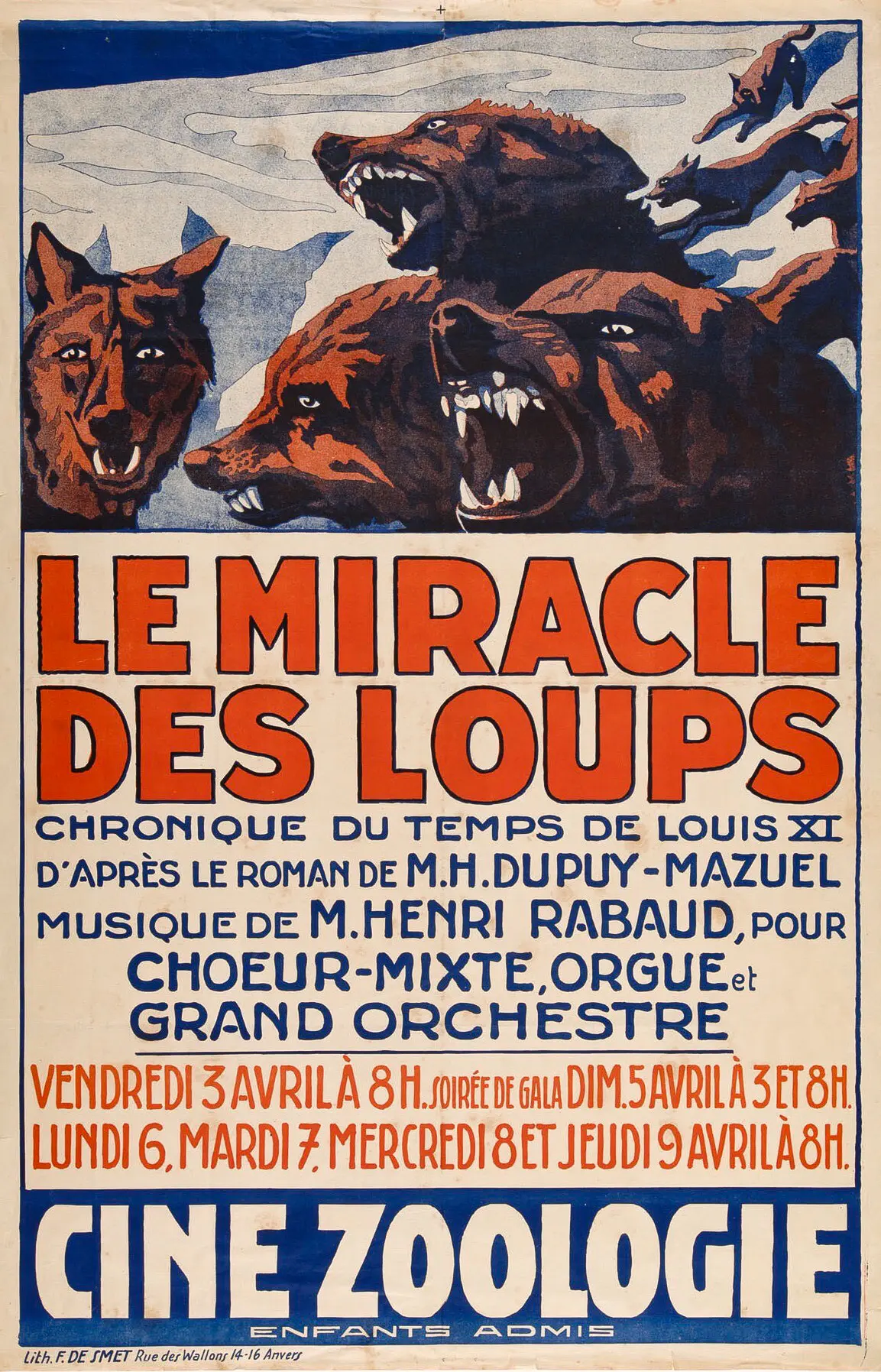
To understand the modern evolution of France film, one must first look at Miracle of the Wolves and the meticulous attention to detail that Raymond Bernard applied to every frame. Reflecting the political and social shifts of the 1924s, it showcases the power of Drama as a tool for social commentary.
In Miracle of the Wolves, Raymond Bernard pushes the boundaries of conventional narrative. The film's unique approach to its subject matter has sparked endless debates and interpretations among cinephiles and critics alike.
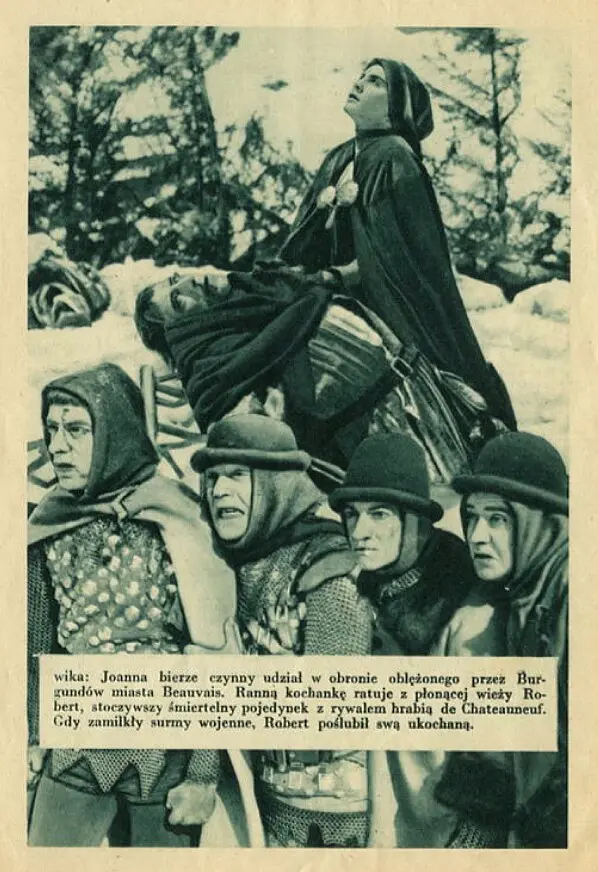
In this work, Raymond Bernard explores the intersection of Drama and France cultural identity. The meticulous attention to detail suggests a deep-seated commitment to pushing the boundaries of the medium, ensuring that Miracle of the Wolves remains a relevant topic of study for Drama enthusiasts.
| Cinematography | Handheld |
| Soundtrack | Diegetic |
| Editing | Elliptical |
| Art Direction | Expressionist |
Visualizing the convergence of Raymond Bernard's style and the core Drama narrative.
King Louis XI tries to unify France by all means fair or foul, which does not please his powerful rival Charles the Bold. It is against this troubled backdrop that the loves of the daughter of a wealthy bourgeois and the king's god-daughter Jeanne Fouquet and knight Robert Cottereau unfurl in spite of all the obstacles in their way. One of these being a pack of hungry wolves trying to stop Jeanne from carrying out an important mission assigned to her by the king himself.
Decades after its release, Miracle of the Wolves remains a vital piece of the cinematic puzzle. Its influence can be seen in countless modern works, solidifying Raymond Bernard's status as a master of the craft in France and beyond.