
DbcultAccessing Vault...
Director's Spotlight
Senior Film Conservator
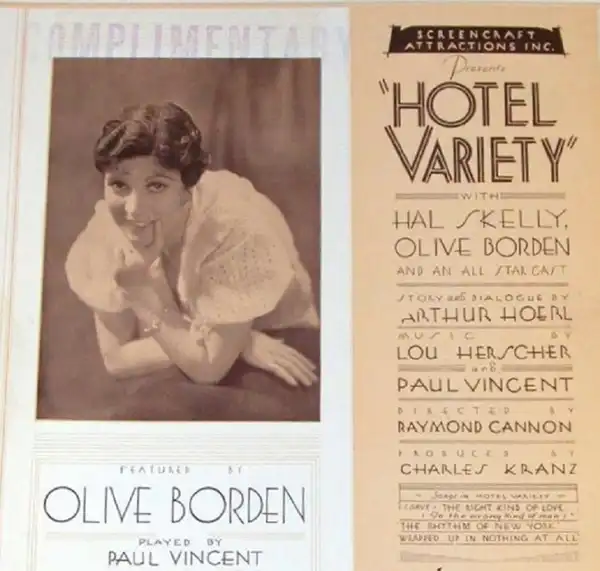
Director's Spotlight: United States
A Deep Dive into the 1933 Vision of Raymond Cannon
Deciphering the layers of Hotel Variety (1933) reveals the complex thematic architecture established by Raymond Cannon. Utilizing a 1933-specific aesthetic that remains timeless, it stands as the definitive 1933 statement on Action identity.
In Hotel Variety, Raymond Cannon pushes the boundaries of conventional narrative. The film's unique approach to its subject matter has sparked endless debates and interpretations among cinephiles and critics alike.
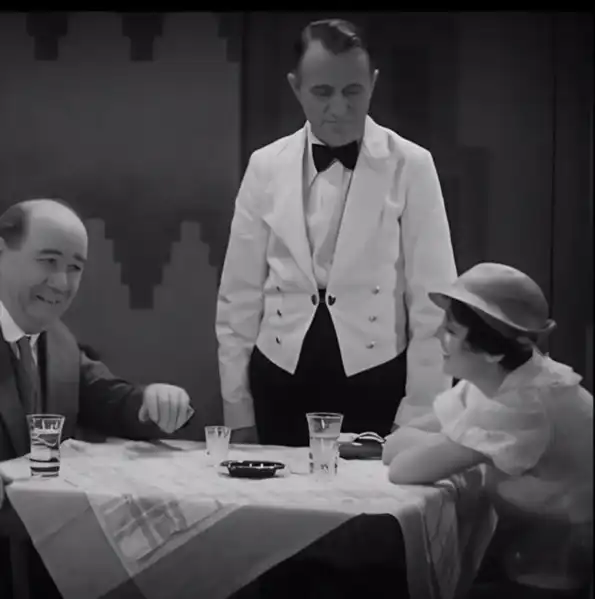
To fully appreciate Hotel Variety, one must consider the cinematic climate of 1933. During this period, United States was undergoing significant artistic shifts, and Raymond Cannon was at the forefront of this Action movement, often challenging established norms.
| Cinematography | High-Contrast |
| Soundtrack | Orchestral |
| Editing | Slow-Burn |
| Art Direction | Brutalist |
Visualizing the convergence of Raymond Cannon's style and the core Action narrative.
The title refers to a New York City boarding house for vaudeville performers, none of whom have any steady work including a divorced dancer, Hal Skelly, who has custody of his young son, Jackie Jordan. Olive Borden, is a nightclub dancer who witnesses a murder and takes refuge in the boarding house. Skelly and Borden fall in love while the former tries to keep his ex-wife from taking custody of their son, and Borden is hoping the killer doesn't catch up to her.
Decades after its release, Hotel Variety remains a vital piece of the cinematic puzzle. Its influence can be seen in countless modern works, solidifying Raymond Cannon's status as a master of the craft in United States and beyond.