
DbcultAccessing Vault...
Director's Spotlight
Senior Film Conservator
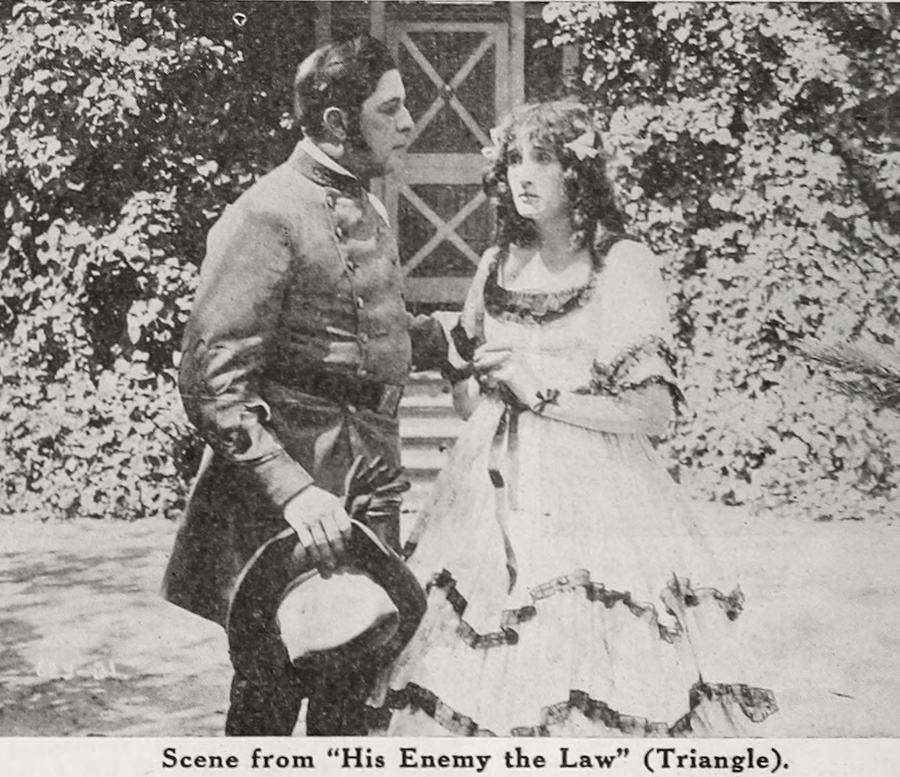
Director's Spotlight: United States
A Deep Dive into the 1918 Vision of Raymond Wells
The artistic breakthrough represented by His Enemy, the Law in 1918 highlights the philosophical inquiries that Raymond Wells embeds within the narrative. Framed by the hauntingly beautiful landscapes of the production, it leaves an indelible mark on the soul of the viewer.
In His Enemy, the Law, Raymond Wells pushes the boundaries of conventional narrative. The film's unique approach to its subject matter has sparked endless debates and interpretations among cinephiles and critics alike.
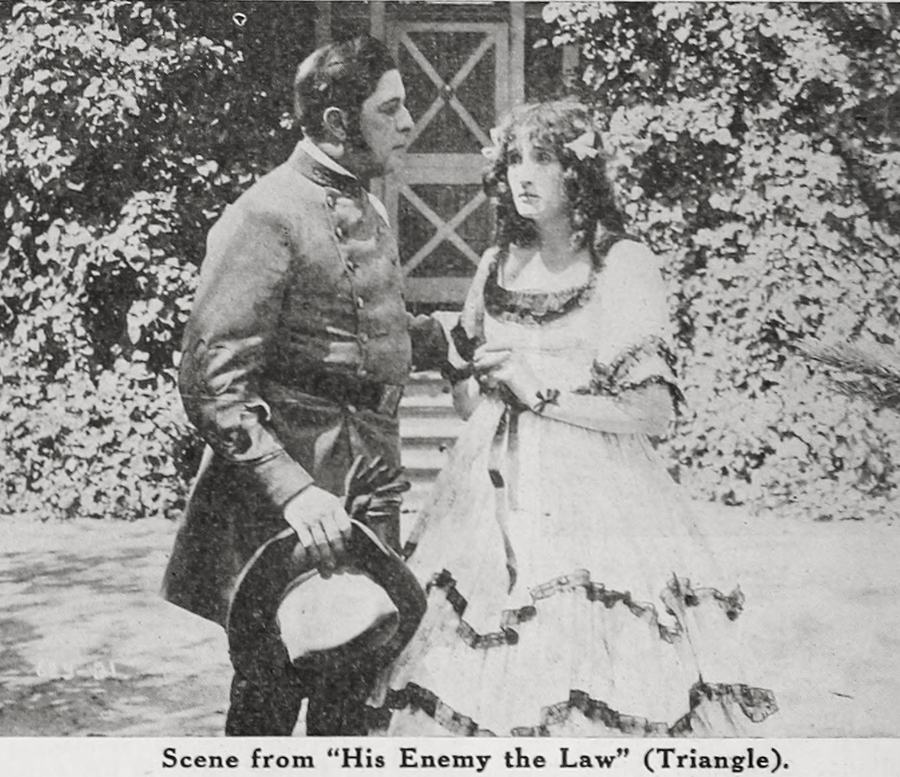
While deeply rooted in United States, His Enemy, the Law has achieved a global reach, influencing directors from various backgrounds. Its ability to translate cult tropes into a universal cinematic language is why it remains a cult staple decades after its 1918 release.
| Cinematography | Deep Focus |
| Soundtrack | Diegetic |
| Editing | Elliptical |
| Art Direction | Expressionist |
Visualizing the convergence of Raymond Wells's style and the core cult narrative.
Captain Jack Rogers returns home from the Civil War to find that his fiancée's father has broken his engagement to Sarah Catherwood because Jack's income is so low. Jack goes West to earn his fortune but soon hears that Pamela has wed her former suitor, Randolph. Heartbroken, Jack proposes to a widow, but their marriage is so unhappy that he leaves, taking his son John with him. In the town of Ten Strike, Jack robs a stage and is shot by a posse. The sheriff adopts little John, who grows to manhood nurturing such an intense hatred for the law that in his renowned law practice, he intentionally helps notorious criminals escape justice. Sarah's daughter, Sally Randolph, begs John to defend her lover who has been charged with murder, and John succeeds in winning his freedom, but upon the young criminal's release from prison, he is shot and killed. When John and Sally discover that their parents were in love, they marry and begin a new life together.
Decades after its release, His Enemy, the Law remains a vital piece of the cinematic puzzle. Its influence can be seen in countless modern works, solidifying Raymond Wells's status as a master of the craft in United States and beyond.