
DbcultAccessing Vault...
Director's Spotlight
Senior Film Conservator
Director's Spotlight: United States
A Deep Dive into the 1918 Vision of Raymond Wells
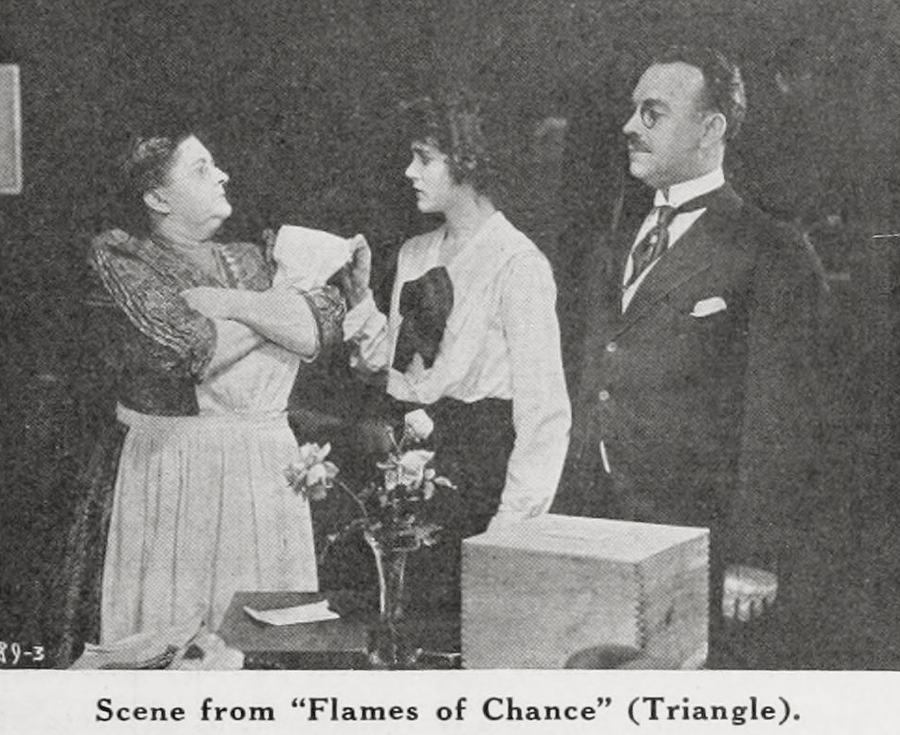
Peeling back the layers of Raymond Wells's The Flames of Chance exposes the technical innovation that Raymond Wells introduced to the cult format. Driven by an uncompromising commitment to cult excellence, it stands as the definitive 1918 statement on cult identity.
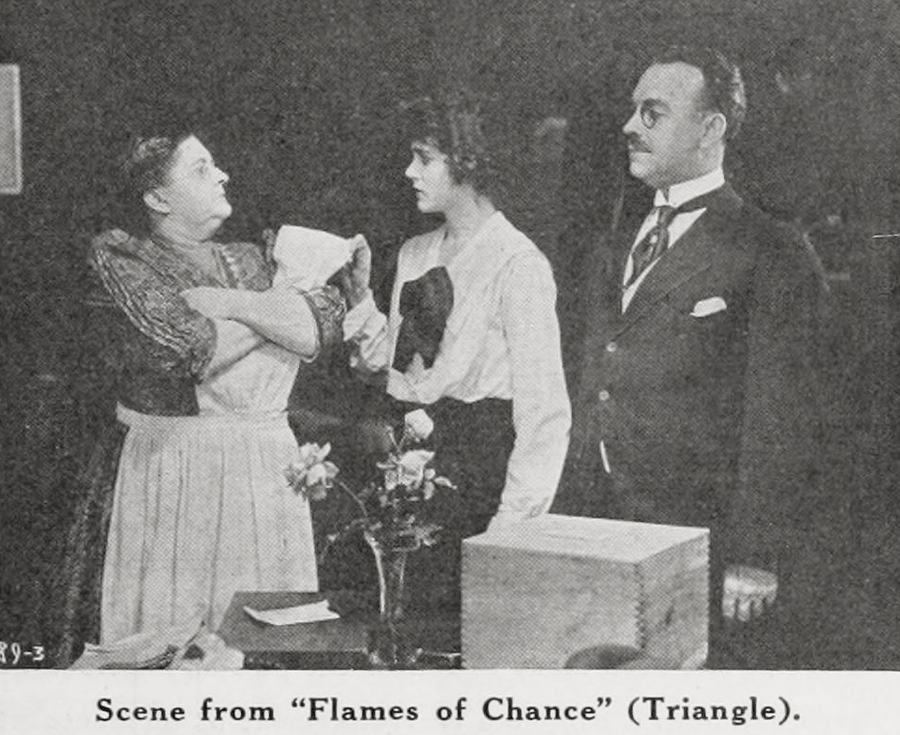
In The Flames of Chance, Raymond Wells pushes the boundaries of conventional narrative. The film's unique approach to its subject matter has sparked endless debates and interpretations among cinephiles and critics alike.
| Cinematography | High-Contrast |
| Soundtrack | Diegetic |
| Editing | Elliptical |
| Art Direction | Expressionist |
Visualizing the convergence of Raymond Wells's style and the core cult narrative.
During World War I, Jeanette Gontreau becomes a "godmother" to three Allied soldiers imprisoned in a German camp. Describing herself as an old woman, she sends them cheerful letters and baskets of small gifts until one of the soldiers, Harry Ledyard, informs her that he has been released and will visit her in New York. Panic-stricken, Jeanette dons a wig and spectacles, and although she convinces Harry that she is old and gray, she soon falls in love with him. Harry worships his "godmother," and when secret service agents discover coded messages on her letters, he shields her by assuming the blame. Eventually, however, Jeanette's employer, Frederick Armstrong, confesses that it is he who is guilty of espionage. Jeanette reveals her true age to Harry, who joyfully proposes to her.
Decades after its release, The Flames of Chance remains a vital piece of the cinematic puzzle. Its influence can be seen in countless modern works, solidifying Raymond Wells's status as a master of the craft in United States and beyond.