
DbcultAccessing Vault...
Director's Spotlight
Senior Film Conservator
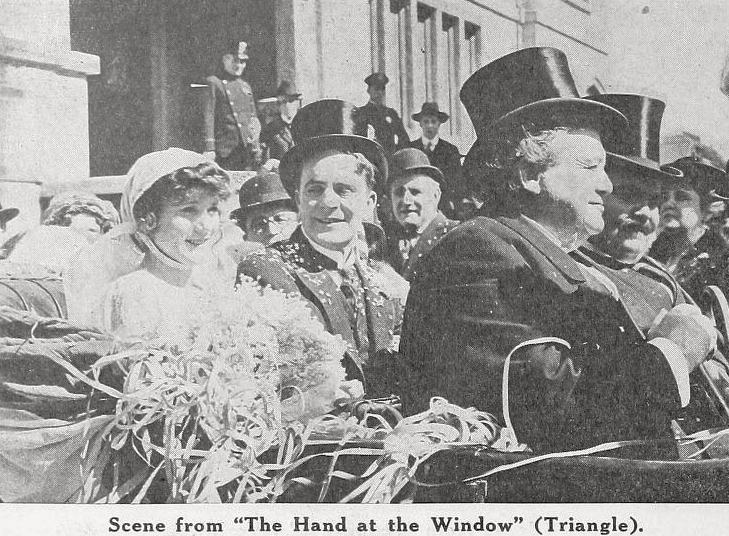
Director's Spotlight: United States
A Deep Dive into the 1918 Vision of Raymond Wells
In the grand tapestry of cult cinema, The Hand at the Window serves as a bridge between the bold experimentation that has become synonymous with Raymond Wells. Breaking the traditional rules of cult engagement, it highlights the importance of independent voices in United States.
In The Hand at the Window, Raymond Wells pushes the boundaries of conventional narrative. The film's unique approach to its subject matter has sparked endless debates and interpretations among cinephiles and critics alike.
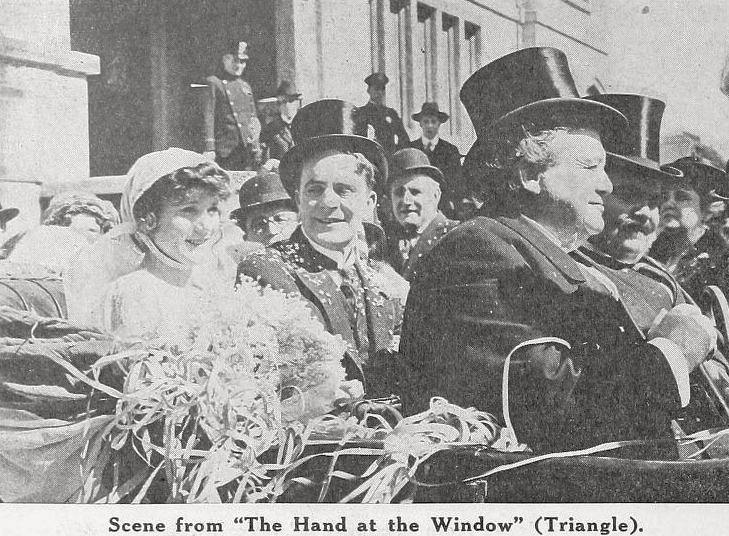
While deeply rooted in United States, The Hand at the Window has achieved a global reach, influencing directors from various backgrounds. Its ability to translate cult tropes into a universal cinematic language is why it remains a cult staple decades after its 1918 release.
| Cinematography | Deep Focus |
| Soundtrack | Orchestral |
| Editing | Slow-Burn |
| Art Direction | Brutalist |
Visualizing the convergence of Raymond Wells's style and the core cult narrative.
The story gets away with a bang, as the wedding of Tony the Banker is rudely interrupted by Detective Moran and the bridegroom is dragged off to the station house. Tony is tried, convicted of counterfeiting and sent to prison. Moran becomes a police captain and, shortly afterward, runs up against the most baffling mystery of his career. Laura Bowers, a new boarder at the house where he lives, is the person that excites his curiosity. He sees her open a street door with a hairpin, but is forced to believe her when she assures him she is now leading an honest life. A love affair follows. After the wedding the couple go to their own home and Moran is shot while seated at a window. Tony threatened to get even when Moran was married and the news is brought that the Italian has escaped from prison. The fact is also established that he was killed while trying to resist capture, but finger marks outside the window prove that he is implicated in the shooting of Moran. The explanations are cleverly planned.
Decades after its release, The Hand at the Window remains a vital piece of the cinematic puzzle. Its influence can be seen in countless modern works, solidifying Raymond Wells's status as a master of the craft in United States and beyond.