
DbcultAccessing Vault...
Director's Spotlight
Senior Film Conservator
Director's Spotlight: United States
A Deep Dive into the 1918 Vision of Raymond Wells
Deciphering the layers of The Law of the Great Northwest (1918) reveals the complex thematic architecture established by Raymond Wells. Utilizing a 1918-specific aesthetic that remains timeless, it stands as the definitive 1918 statement on cult identity.
In The Law of the Great Northwest, Raymond Wells pushes the boundaries of conventional narrative. The film's unique approach to its subject matter has sparked endless debates and interpretations among cinephiles and critics alike.
While deeply rooted in United States, The Law of the Great Northwest has achieved a global reach, influencing directors from various backgrounds. Its ability to translate cult tropes into a universal cinematic language is why it remains a cult staple decades after its 1918 release.
| Cinematography | Noir-Inspired |
| Soundtrack | Synth-Heavy |
| Editing | Disjunctive |
| Art Direction | Baroque |
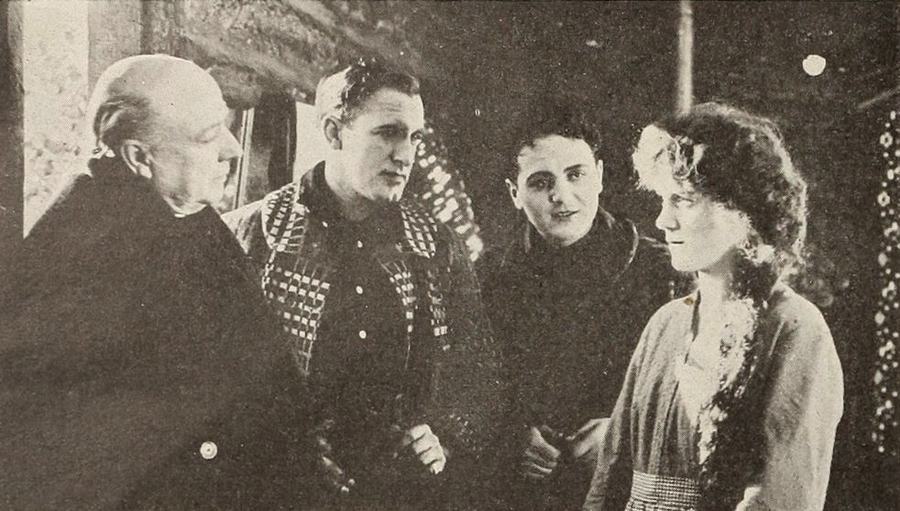
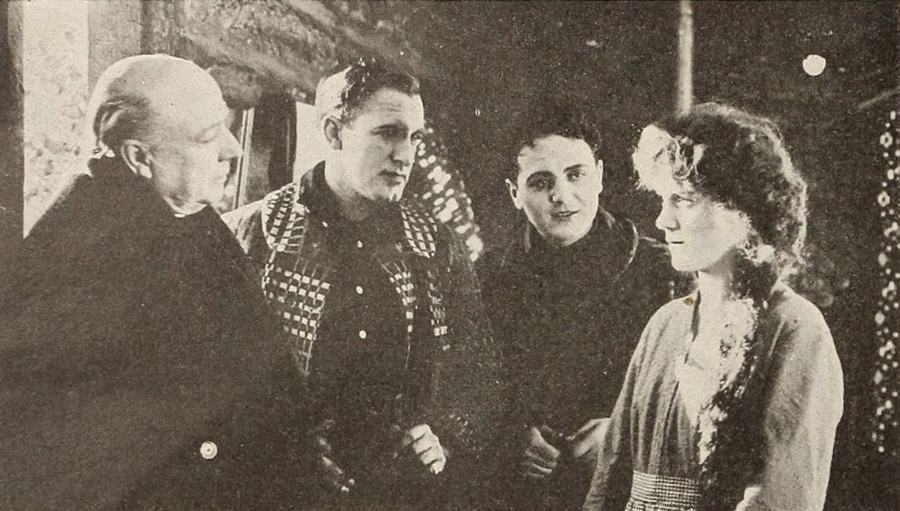
Visualizing the convergence of Raymond Wells's style and the core cult narrative.
Hal Sinclair, the chief agent at the Fort Roscher trading post in the Canadian Northwest, controls the town and cheats the trappers, until a group of independent fur traders arrives. After nearly all of the traders are killed by Sinclair's brutal henchman, Mont Brennan, Officer Jamison of the North West Mounted Police is sent to investigate. Charles Morin, a wealthy French Canadian businessman, also arrives at Fort Roscher that week with the intention of entering the fur trade, and soon falls in love with Petain Monest's pretty daughter Marie. Sinclair, who also loves Marie, commissions Brennan to kill the young trader, but Marie overhears their plans. As Brennan is taking aim, Marie shoots and kills him and subsequently is accused of murder. Jamison has also fallen in love with Marie, but realizing that she prefers Morin, he decides to stand by the young couple. With Jamison's help, Marie is exonerated and finally joined to the man whose life she saved.
Decades after its release, The Law of the Great Northwest remains a vital piece of the cinematic puzzle. Its influence can be seen in countless modern works, solidifying Raymond Wells's status as a master of the craft in United States and beyond.