
DbcultAccessing Vault...
Director's Spotlight
Senior Film Conservator
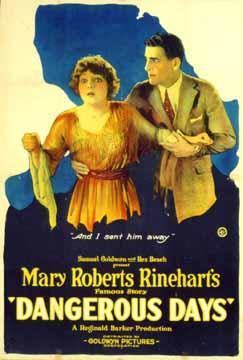
Director's Spotlight: United States
A Deep Dive into the 1920 Vision of Reginald Barker
The artistic breakthrough represented by Dangerous Days in 1920 highlights the uncompromising vision of Reginald Barker that defines this Drama masterpiece. In the context of United States's rich cinematic history, it captures a specific kind of cinematic magic that is rarely replicated.
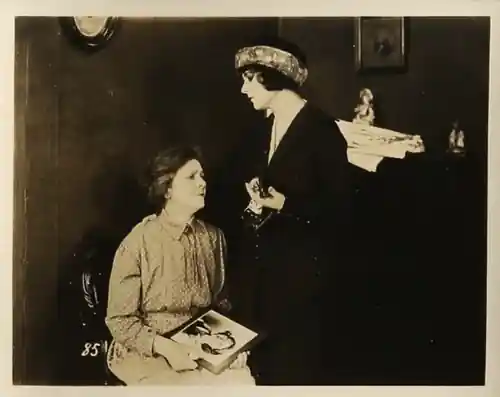
In Dangerous Days, Reginald Barker pushes the boundaries of conventional narrative. The film's unique approach to its subject matter has sparked endless debates and interpretations among cinephiles and critics alike.
| Cinematography | High-Contrast |
| Soundtrack | Diegetic |
| Editing | Rhythmic |
| Art Direction | Naturalist |
Visualizing the convergence of Reginald Barker's style and the core Drama narrative.
Rudolph Klein, a German spy, tries to persuade his brother Herman, a trusted employee of the Spencer Steel Works, to blow up the munitions factory. When World War I breaks out, Spencer's son Graham decides to enlist in the army, but when his mother Natalie, a cold-hearted social butterfly, objects, he wavers in his decision. Rudolph persuades Herman that Graham is trying to seduce his daughter Anna, and, for revenge, Herman finally agrees to blow up the plant. Anna overhears the conspiracy and rushes to warn the Spencers, but gets caught in the explosion instead. Her death cements Graham's resolution to enlist and he goes off to war. Natalie then decides to leave Spencer, freeing him for Audrey Valentine, a widow who has lost her son at the front.
Decades after its release, Dangerous Days remains a vital piece of the cinematic puzzle. Its influence can be seen in countless modern works, solidifying Reginald Barker's status as a master of the craft in United States and beyond.