
DbcultAccessing Vault...
Director's Spotlight
Senior Film Conservator
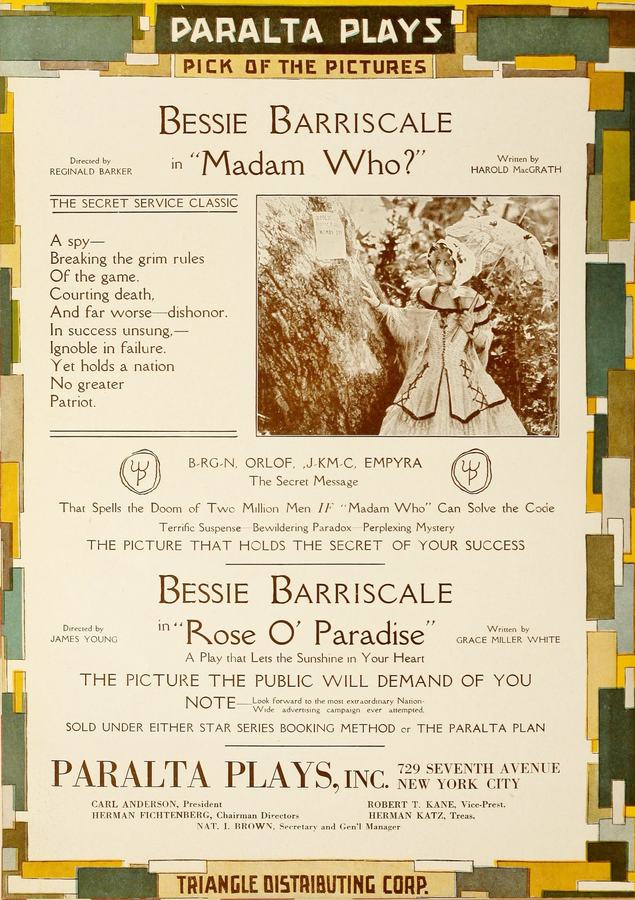
Director's Spotlight: United States
A Deep Dive into the 1918 Vision of Reginald Barker
Witnessing the stylistic transformation of cult through Madam Who? reveals the provocative questions that Reginald Barker poses to the United States audience. Exploring the nuances of the human condition with cult flair, it showcases the power of cult as a tool for social commentary.
In Madam Who?, Reginald Barker pushes the boundaries of conventional narrative. The film's unique approach to its subject matter has sparked endless debates and interpretations among cinephiles and critics alike.
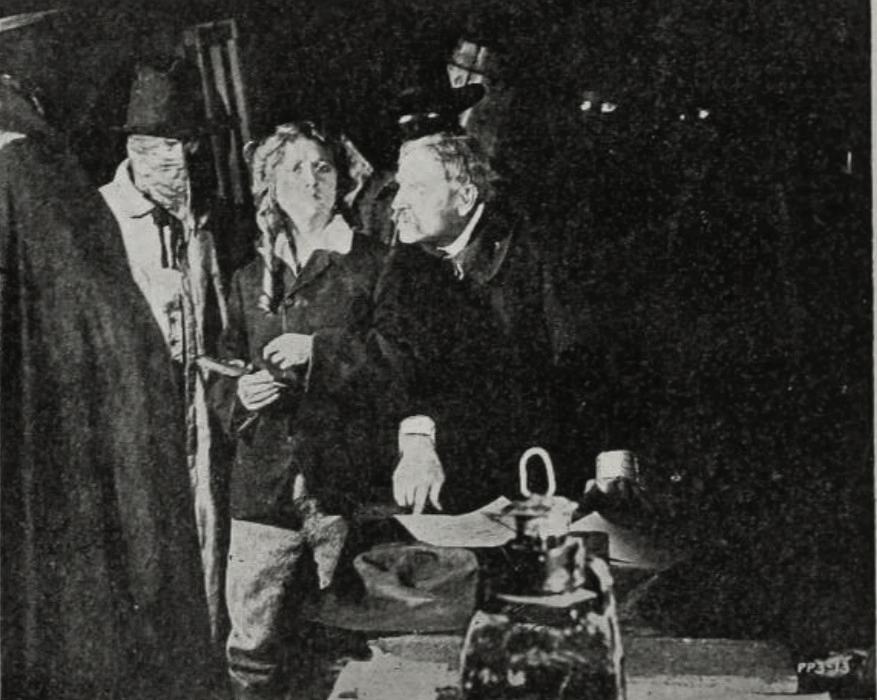
To fully appreciate Madam Who?, one must consider the cinematic climate of 1918. During this period, United States was undergoing significant artistic shifts, and Reginald Barker was at the forefront of this cult movement, often challenging established norms.
| Cinematography | High-Contrast |
| Soundtrack | Orchestral |
| Editing | Slow-Burn |
| Art Direction | Brutalist |
Visualizing the convergence of Reginald Barker's style and the core cult narrative.
Jeanne Beaufort becomes a secret service agent for the South during the Civil War, to avenge the deaths of her father and brother. While eavesdropping on a meeting of Northern spies, she is captured and forced to wed a masked man who bears a peculiar tattoo on his wrist. Jeanne escapes and soon afterwards, continues her work in Washington, D.C. with the aid of Henry Morgan, who, unknown to Jeanne, is a Northern agent. In Washington, she unwillingly falls in love with John Armitage, a Northerner. In procuring a set of important documents, Jeanne's identity is discovered, and she is forced to escape to Richmond. Morgan, who is revealed as Jeanne's mysterious husband, is killed in a struggle with "Parson" John Kennedy. Richmond is set ablaze, but John rescues Jeanne, and after the war, they forget their differences and marry.
Decades after its release, Madam Who? remains a vital piece of the cinematic puzzle. Its influence can be seen in countless modern works, solidifying Reginald Barker's status as a master of the craft in United States and beyond.