
DbcultAccessing Vault...
Director's Spotlight
Senior Film Conservator
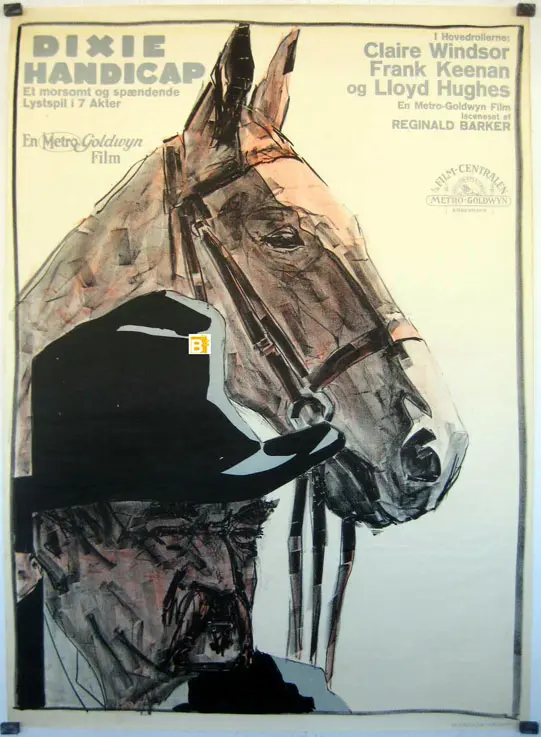
Director's Spotlight: United States
A Deep Dive into the 1924 Vision of Reginald Barker
The 1924 release of The Dixie Handicap marked a significant moment for the enduring legacy of Reginald Barker's artistic contribution to the genre. By challenging the status quo of 1924 cinema, it has cemented its place in the global cult cinema archive.
In The Dixie Handicap, Reginald Barker pushes the boundaries of conventional narrative. The film's unique approach to its subject matter has sparked endless debates and interpretations among cinephiles and critics alike.
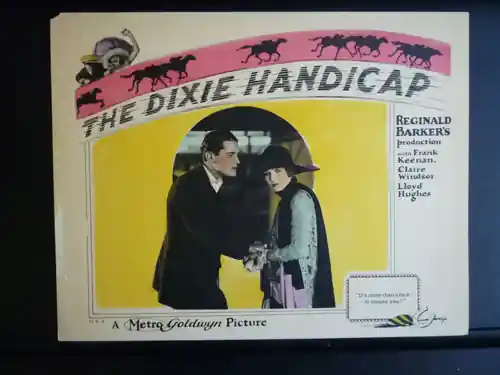
To fully appreciate The Dixie Handicap, one must consider the cinematic climate of 1924. During this period, United States was undergoing significant artistic shifts, and Reginald Barker was at the forefront of this Drama movement, often challenging established norms.
| Cinematography | Deep Focus |
| Soundtrack | Orchestral |
| Editing | Invisible |
| Art Direction | Kitsch |
Visualizing the convergence of Reginald Barker's style and the core Drama narrative.
Judge Roberts hides his true financial condition from his daughter, Virginia, whom he brings up in luxury by selling his estate a little at a time. After years of living this magnificent lie, the judge is left with only the family homestead and a horse named Southern Melody. The horse dies shortly after foaling, but her filly, Dixie, shows great speed and promise when she is trained by Johnny Sheridan, the judge's partner and friend. The superintendent of an adjoining stable tells Virginia of her father's reduced circumstances and offers to help the judge financially if she will marry him. Virginia consents, but the judge hears of it, sells Dixie, continues with his deception, and sends Virginia abroad. The judge's fortunes soon hit rock bottom: he loses his home, is defeated for re-election, and becomes a drunken derelict. Dixie is injured in the Belmont Stakes; Johnny buys her back, takes her to Kentucky, nurses her back to health, and enters her in the Derby. Virginia returns shortly before the race and learns of her father's poverty. The colt wins the race and a prize of $50,000. The old estate is restored to the judge, and Virginia asks the bashful Johnny to marry her.
Decades after its release, The Dixie Handicap remains a vital piece of the cinematic puzzle. Its influence can be seen in countless modern works, solidifying Reginald Barker's status as a master of the craft in United States and beyond.