
DbcultAccessing Vault...
Director's Spotlight
Senior Film Conservator
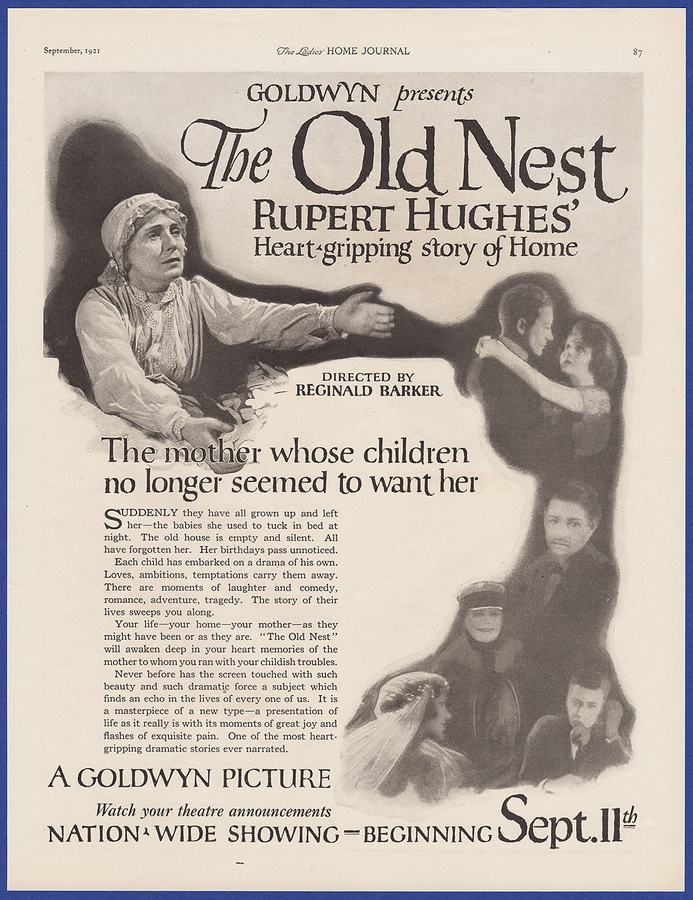
Director's Spotlight: United States
A Deep Dive into the 1921 Vision of Reginald Barker
The 1921 release of The Old Nest marked a significant moment for the enduring legacy of Reginald Barker's artistic contribution to the genre. By challenging the status quo of 1921 cinema, it has cemented its place in the global cult cinema archive.
In The Old Nest, Reginald Barker pushes the boundaries of conventional narrative. The film's unique approach to its subject matter has sparked endless debates and interpretations among cinephiles and critics alike.
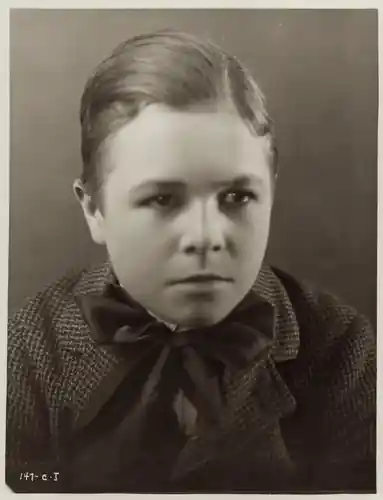
The visual language of The Old Nest is defined by its use of shadows and framing, a hallmark of Reginald Barker's style. By utilizing a 1921-era palette, the film creates an immersive experience that perfectly complements its Drama themes.
| Cinematography | Noir-Inspired |
| Soundtrack | Synth-Heavy |
| Editing | Rhythmic |
| Art Direction | Naturalist |
Visualizing the convergence of Reginald Barker's style and the core Drama narrative.
Living in a small town, Dr. and Mrs. Anthon raise a large family. Arthur, the eldest, is killed in a railroad wreck; Tom grows up to be a successful lawyer; Kate marries and lives in New York; Frank becomes a gifted artist in Paris; Jim is sent away from home by his father for stealing; Emily, the youngest, goes to New York to visit Kate and gets married. With home ties severed, the children become forgetful of their parents until one day Jim returns for money. The mother dreams that the train on which her son is returning is imperiled by a wrecked bridge, and when she awakens, terrified, Tom arrives with his brothers and sisters to announce that he has been appointed Attorney General of the United States.
Decades after its release, The Old Nest remains a vital piece of the cinematic puzzle. Its influence can be seen in countless modern works, solidifying Reginald Barker's status as a master of the craft in United States and beyond.