
DbcultAccessing Vault...
Director's Spotlight
Senior Film Conservator
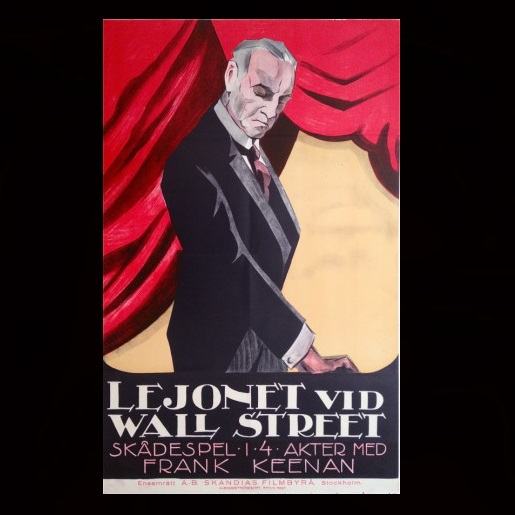
Director's Spotlight: United States
A Deep Dive into the 1916 Vision of Reginald Barker
The thematic gravity of The Stepping Stone (1916) is rooted in the historical context that Reginald Barker weaves into the cult fabric. Synthesizing the best elements of United States and international cinema, it highlights the importance of independent voices in United States.
In The Stepping Stone, Reginald Barker pushes the boundaries of conventional narrative. The film's unique approach to its subject matter has sparked endless debates and interpretations among cinephiles and critics alike.
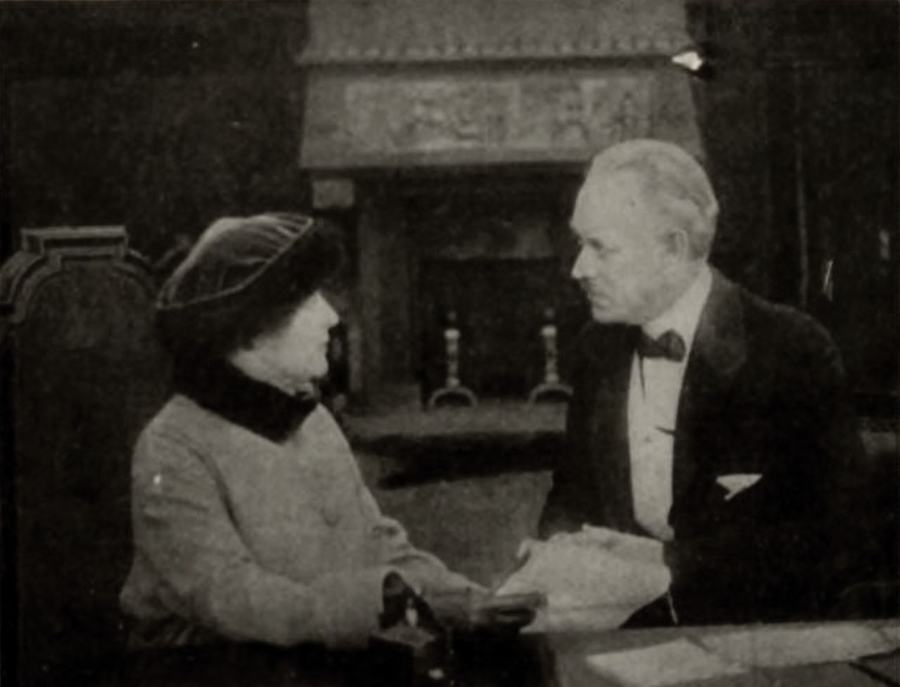
In this work, Reginald Barker explores the intersection of cult and United States cultural identity. The meticulous attention to detail suggests a deep-seated commitment to pushing the boundaries of the medium, ensuring that The Stepping Stone remains a relevant topic of study for cult enthusiasts.
| Cinematography | Handheld |
| Soundtrack | Experimental |
| Editing | Elliptical |
| Art Direction | Expressionist |
Visualizing the convergence of Reginald Barker's style and the core cult narrative.
Mary Beresford is the devoted and self-sacrificing wife of a man whose ambition is great, but whose energy in achieving that ambition is less than nothing. He has a fairly responsible place with a well-known firm and holds it solely because his wife does most of his work for him after hours in their home. One day a particularly important stack of papers is given to Al Beresford by his employer; a report must be in the hands of their most distinguished client that night. Al dawdles through the day and at night takes the unfinished job home. He and Mary start to work it out together, but he pleads a headache and goes to bed. She finishes the work and delivers the papers in person to Elihu Jasper. Jasper is a powerful operator in Wall Street and lives alone in a big mansion. He is attracted to Mary and in an effort to help her summons Al to an interview. He soon finds that the man is unworthy of consideration, but because of the woman he gives Al many tips that increase his income and enable the Beresfords to move into palatial quarters. Jasper is a frequent visitor there, bored by the man's egotism, but secretly admiring the woman. There comes a day when Beresford is convinced that his rise is due entirely to his own efforts, he regards the wife who has made his position possible as a hindrance and urges her to give him his freedom. A widow in society has attracted him. Mary departs and the world swallows her up. Jasper is informed of the situation by her maid. His mind quickly formulates a plan. Al Beresford is wiped out in the street and commits suicide. Then comes the long hunt for Mary, but not until Jasper goes into the market to thwart a plot to deprive him of a profitable mine does he discover her as the secretary of his broker. He saves the mine and wins the woman.
Decades after its release, The Stepping Stone remains a vital piece of the cinematic puzzle. Its influence can be seen in countless modern works, solidifying Reginald Barker's status as a master of the craft in United States and beyond.