
DbcultAccessing Vault...
Director's Spotlight
Senior Film Conservator
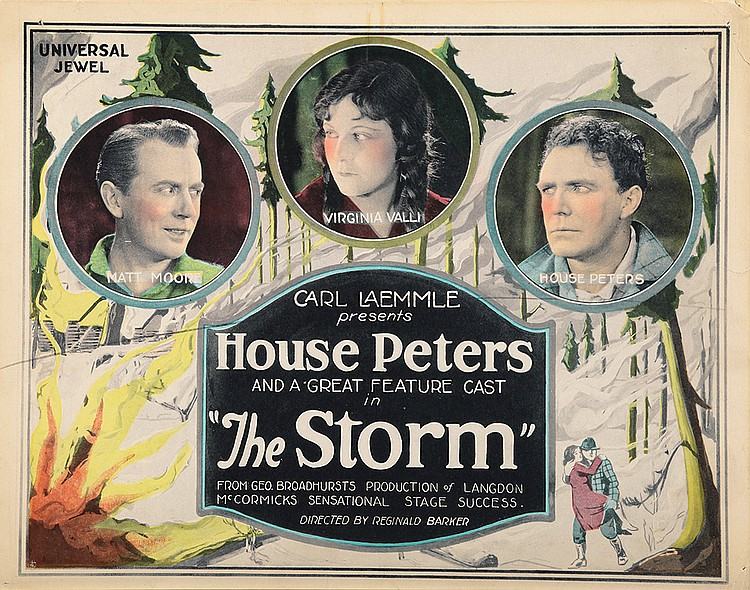
Director's Spotlight: United States
A Deep Dive into the 1922 Vision of Reginald Barker
When we examine the cinematic landscape of United States, The Storm emerges as a landmark work of the unique directorial voice that Reginald Barker brought to the screen. This film stands as a masterclass in visual storytelling, it demands to be seen by anyone who cares about the art of film.
In The Storm, Reginald Barker pushes the boundaries of conventional narrative. The film's unique approach to its subject matter has sparked endless debates and interpretations among cinephiles and critics alike.
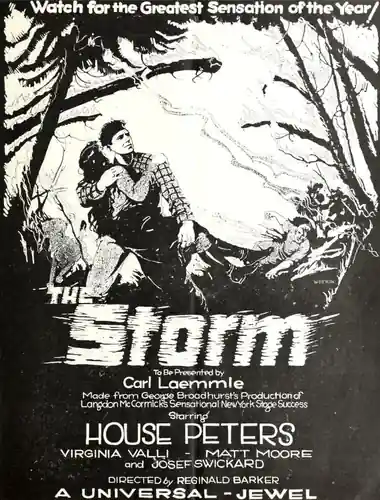
To fully appreciate The Storm, one must consider the cinematic climate of 1922. During this period, United States was undergoing significant artistic shifts, and Reginald Barker was at the forefront of this Drama movement, often challenging established norms.
| Cinematography | Static |
| Soundtrack | Minimalist |
| Editing | Disjunctive |
| Art Direction | Baroque |
Visualizing the convergence of Reginald Barker's style and the core Drama narrative.
War buddies Burr Winton and Dave Stewart retreat to Burr's cabin in the Canadian Northwest after Dave helps Burr pay a gambling debt. During the winter months, Jacques Fachard, a French trapper, and his daughter Manette, who have eluded the Mounted Police, seek refuge in their cabin. Fachard dies of a bullet wound, after having persuaded the men to care for his daughter. Both fall in love with Manette; Burr, deeply in love for the first time and eager to marry her, is furiously jealous and threatens Dave. Food shortage makes it necessary for Burr to seek aid. Manette, after having been defended by Burr, starts after him in the storm; but Dave stops her and brings his friends back and leaves them to their happiness.
Decades after its release, The Storm remains a vital piece of the cinematic puzzle. Its influence can be seen in countless modern works, solidifying Reginald Barker's status as a master of the craft in United States and beyond.