
DbcultAccessing Vault...
Director's Spotlight
Senior Film Conservator
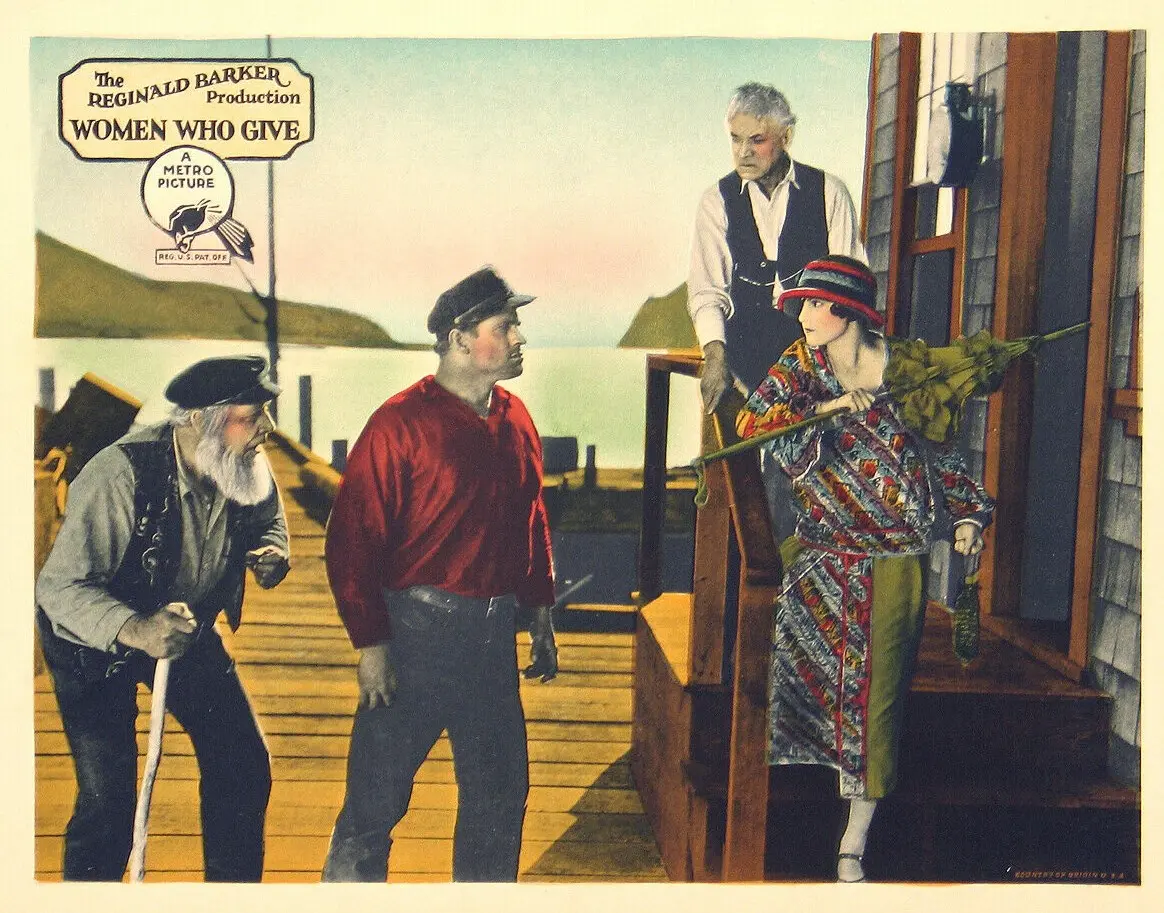
Director's Spotlight: United States
A Deep Dive into the 1924 Vision of Reginald Barker
As a cultural artifact of the 1924s, Women Who Give provides the global recognition that Reginald Barker garnered after the release of Women Who Give. Elevating the source material through Reginald Barker's unique vision, it solidifies Reginald Barker's reputation as a master of the craft.
In Women Who Give, Reginald Barker pushes the boundaries of conventional narrative. The film's unique approach to its subject matter has sparked endless debates and interpretations among cinephiles and critics alike.
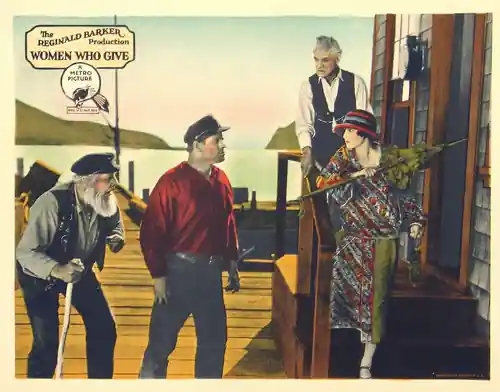
The visual language of Women Who Give is defined by its use of shadows and framing, a hallmark of Reginald Barker's style. By utilizing a 1924-era palette, the film creates an immersive experience that perfectly complements its Drama themes.
| Cinematography | Static |
| Soundtrack | Synth-Heavy |
| Editing | Rhythmic |
| Art Direction | Naturalist |
Visualizing the convergence of Reginald Barker's style and the core Drama narrative.
Jonathan Swift, stern Cape Cod businessman, has ambitions for his children, Emily and Noah, which are thwarted when they take romantic interests in Capt. Joe Cradlebow and Becky Keeler, respectively. Not realizing that Becky expects a child and has been promised marriage, Swift has Noah shanghaied, while Becky stows away on Cradlebow's vessel. There is a terrific storm; but Cradlebow rescues Noah, and the fleet returns safely to shore--thanks to lighthouse keeper Bijonah Keeler, Becky's father, who sets his house afire to give the sailors light. Swift relents, and his children marry whom they please.
Decades after its release, Women Who Give remains a vital piece of the cinematic puzzle. Its influence can be seen in countless modern works, solidifying Reginald Barker's status as a master of the craft in United States and beyond.