
DbcultAccessing Vault...
Director's Spotlight
Senior Film Conservator
Director's Spotlight: United States
A Deep Dive into the 1924 Vision of Renaud Hoffman
The thematic gravity of Legend of Hollywood (1924) is rooted in the historical context that Renaud Hoffman weaves into the Drama fabric. Synthesizing the best elements of United States and international cinema, it highlights the importance of independent voices in United States.
In Legend of Hollywood, Renaud Hoffman pushes the boundaries of conventional narrative. The film's unique approach to its subject matter has sparked endless debates and interpretations among cinephiles and critics alike.
While deeply rooted in United States, Legend of Hollywood has achieved a global reach, influencing directors from various backgrounds. Its ability to translate Drama tropes into a universal cinematic language is why it remains a cult staple decades after its 1924 release.
| Cinematography | Noir-Inspired |
| Soundtrack | Minimalist |
| Editing | Disjunctive |
| Art Direction | Baroque |
Visualizing the convergence of Renaud Hoffman's style and the core Drama narrative.
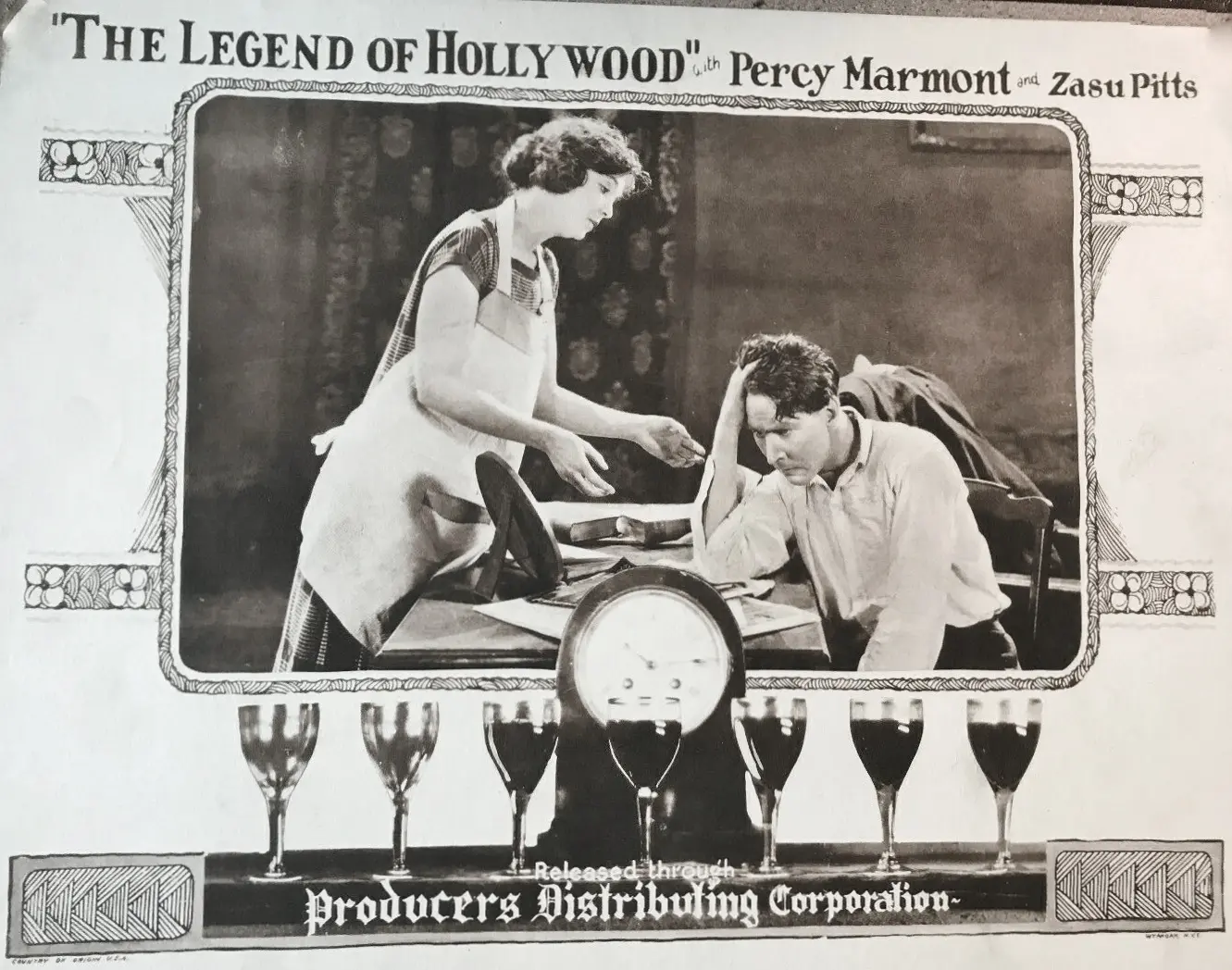
Smith, former newspaper man, goes from studio to studio trying to sell his story. Finally his landlady refuses to furnish meals but allows him to remain a week longer in his room. He fills seven wine glasses and in one puts poison. He drinks a glass a day until the last one is drained. Then he learns the maid had upset the poison. He receives a check for his play and finds happiness with the maid, Mary Brown.
Decades after its release, Legend of Hollywood remains a vital piece of the cinematic puzzle. Its influence can be seen in countless modern works, solidifying Renaud Hoffman's status as a master of the craft in United States and beyond.