
DbcultAccessing Vault...
Director's Spotlight
Senior Film Conservator
Director's Spotlight: France
A Deep Dive into the 1924 Vision of René Hervil
When we examine the cinematic landscape of France, Paris emerges as a landmark work of the enduring legacy of René Hervil's artistic contribution to the genre. Through a lens of existential fatalism and Drama tropes, it captures a specific kind of cinematic magic that is rarely replicated.
In Paris, René Hervil pushes the boundaries of conventional narrative. The film's unique approach to its subject matter has sparked endless debates and interpretations among cinephiles and critics alike.
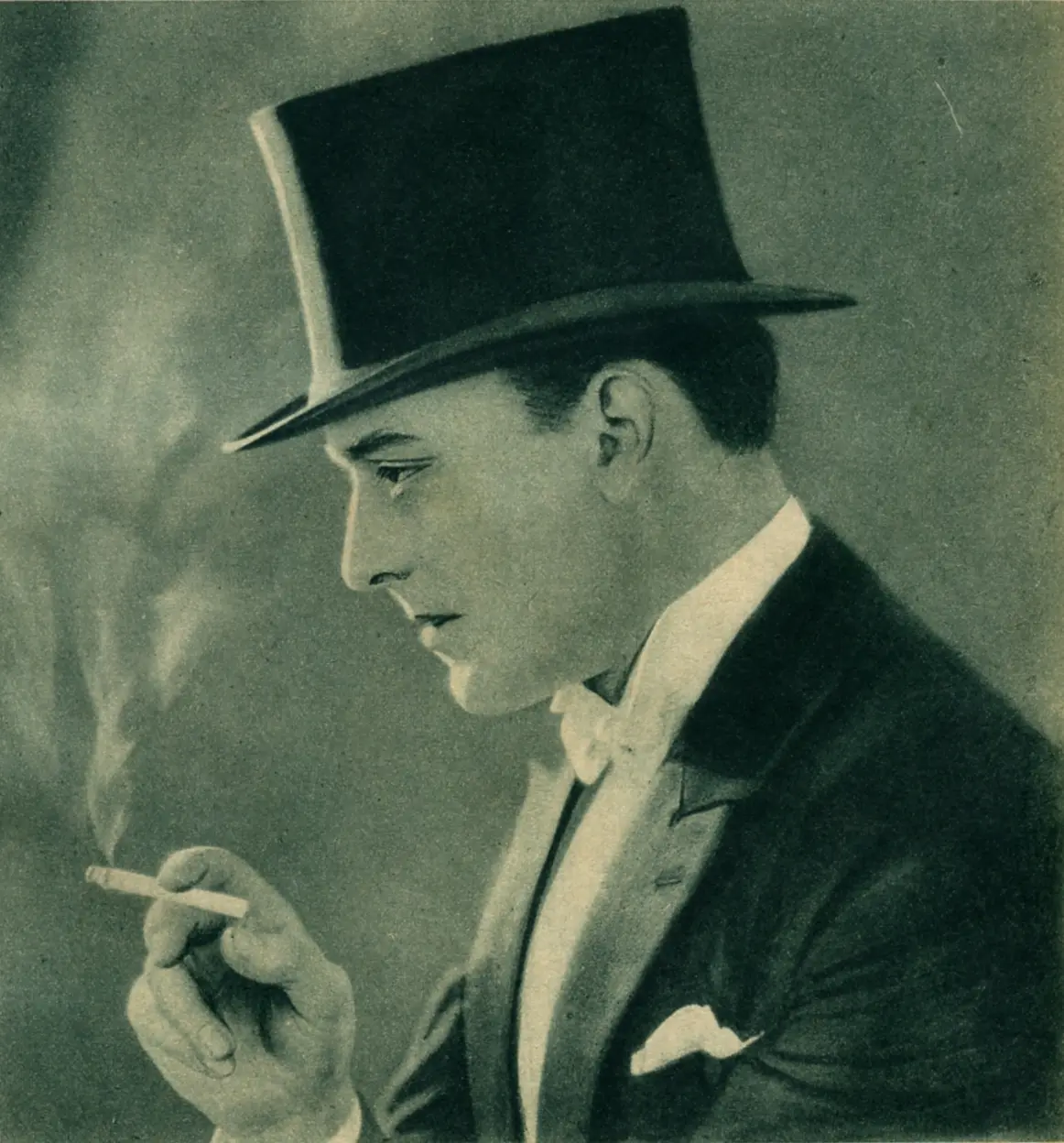
The visual language of Paris is defined by its use of shadows and framing, a hallmark of René Hervil's style. By utilizing a 1924-era palette, the film creates an immersive experience that perfectly complements its Drama themes.
| Cinematography | Handheld |
| Soundtrack | Synth-Heavy |
| Editing | Rhythmic |
| Art Direction | Naturalist |
Visualizing the convergence of René Hervil's style and the core Drama narrative.
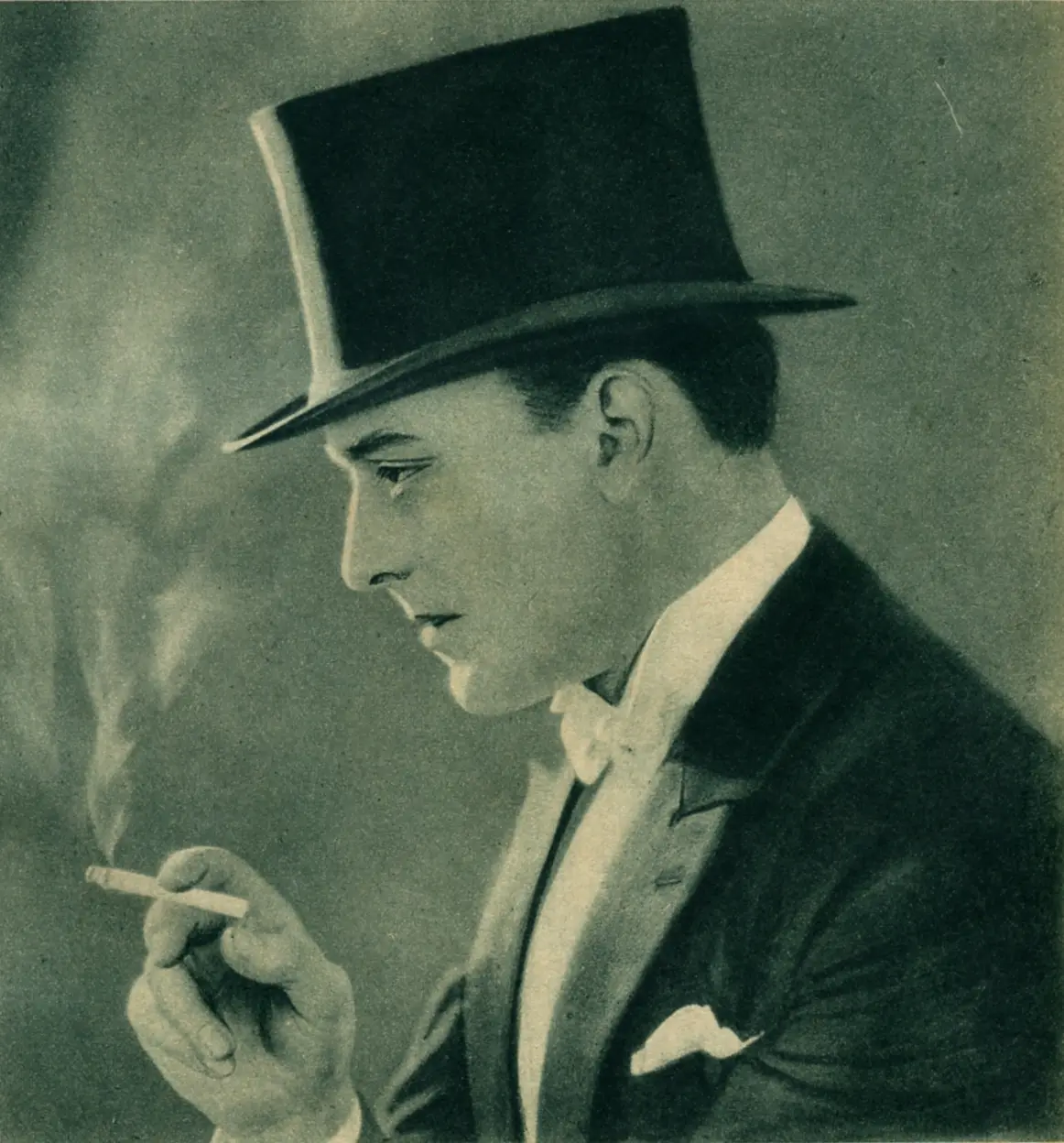
Jean Fleury, a young engineer who has designed a revolutionary engine for the Revoil motor company, is engaged to Aimée Valois, a seamstress, his neighbor across the hall. But the charming young lady is hired one day by a nightclub and lets herself be lured by the easy life in Paris. So much so that, to Jean's great distress, she breaks up with him. But, along with time, Aimée gets tired of her vain and frivolous lifestyle and comes back to Jean.
Decades after its release, Paris remains a vital piece of the cinematic puzzle. Its influence can be seen in countless modern works, solidifying René Hervil's status as a master of the craft in France and beyond.