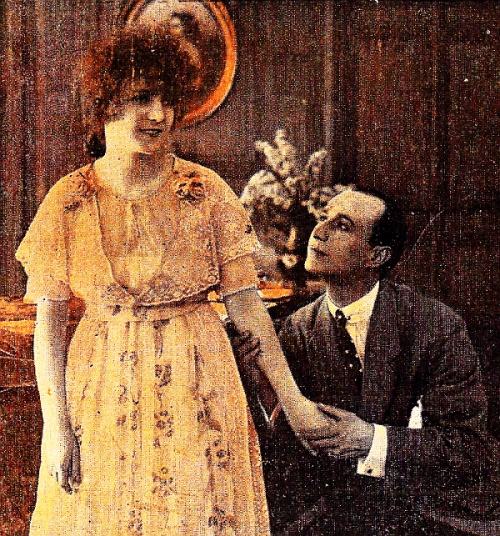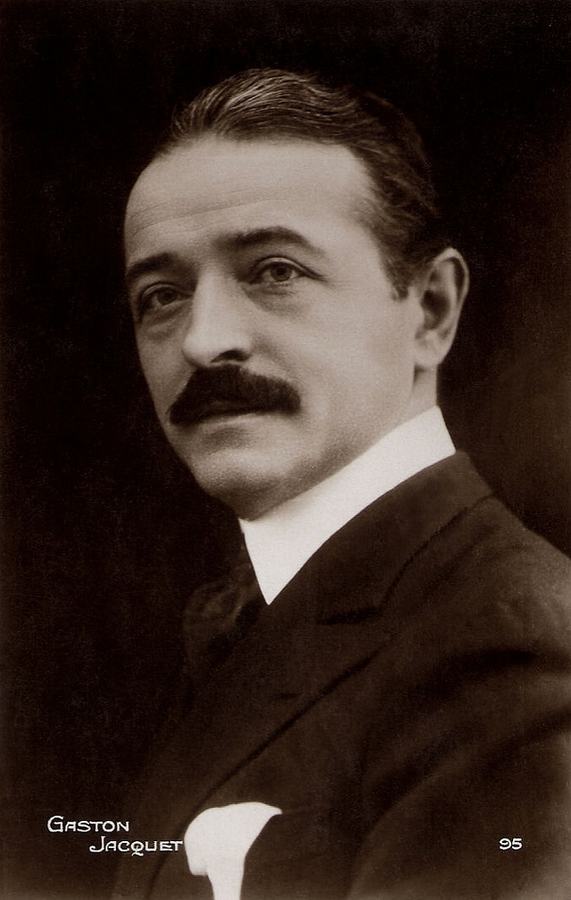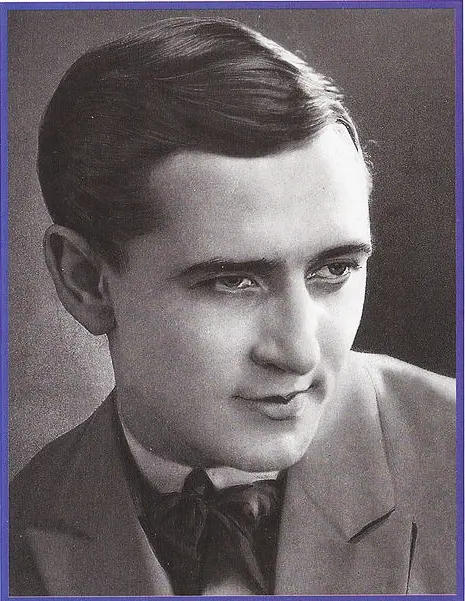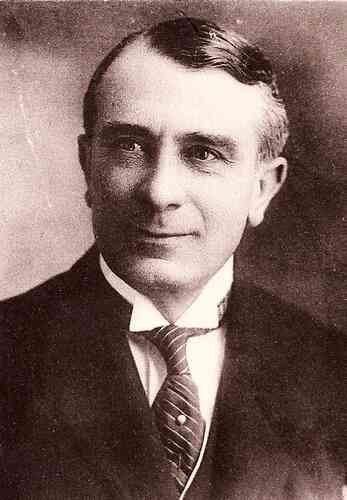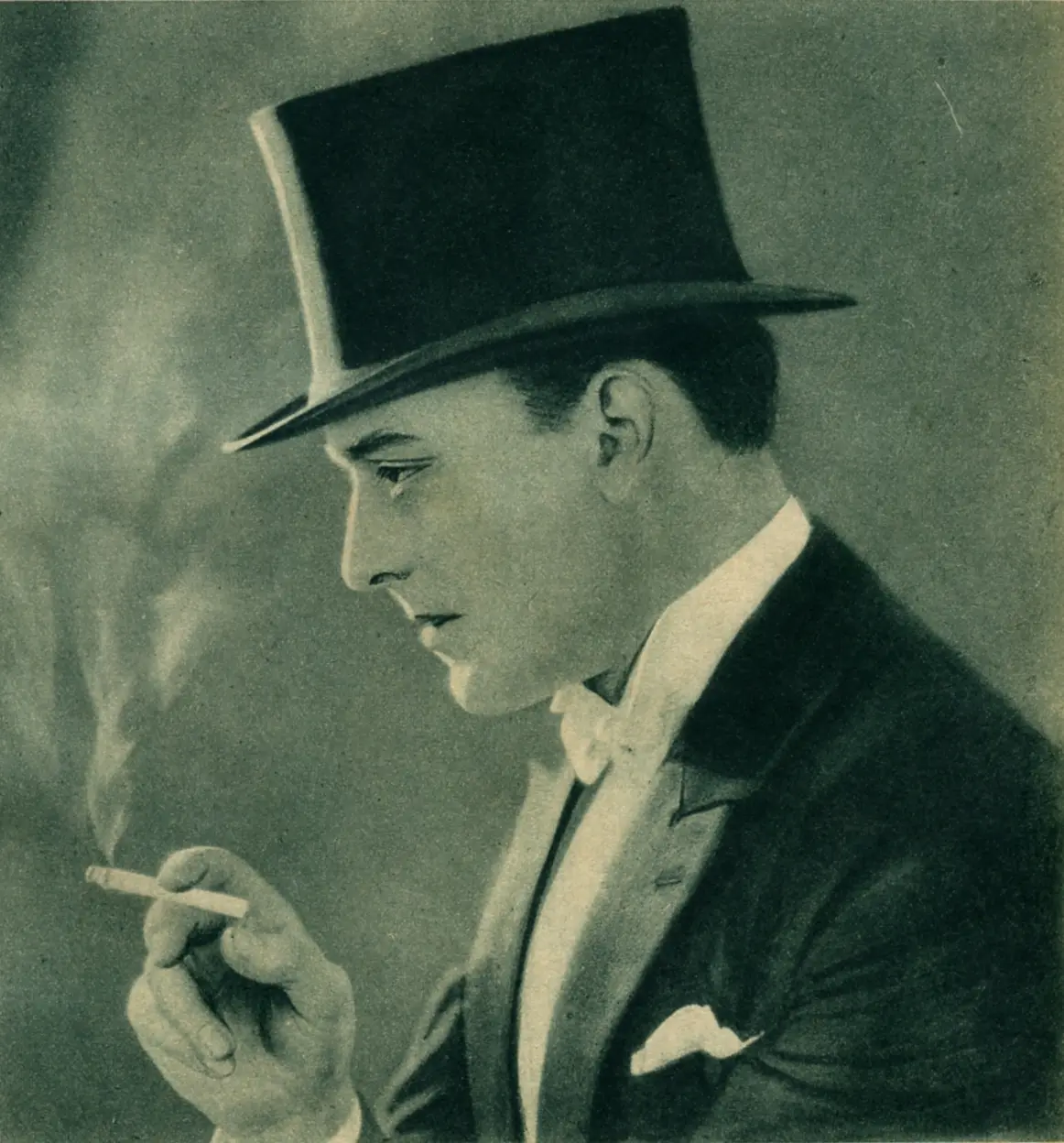
Jean Fleury, a young engineer who has designed a revolutionary engine for the Revoil motor company, is engaged to Aimée Valois, a seamstress, his neighbor across the hall. But the charming young lady is hired one day by a nightclub and lets herself be lured by the easy life in Paris.
The 1920s in France were a period of frantic modernization and existential searching, a dichotomy captured with startling clarity in the 1926 silent production Paris. Directed with a keen eye for the shifting social strata of the post-war era, the film serves as a microcosm of the tension between the burgeoning indus...
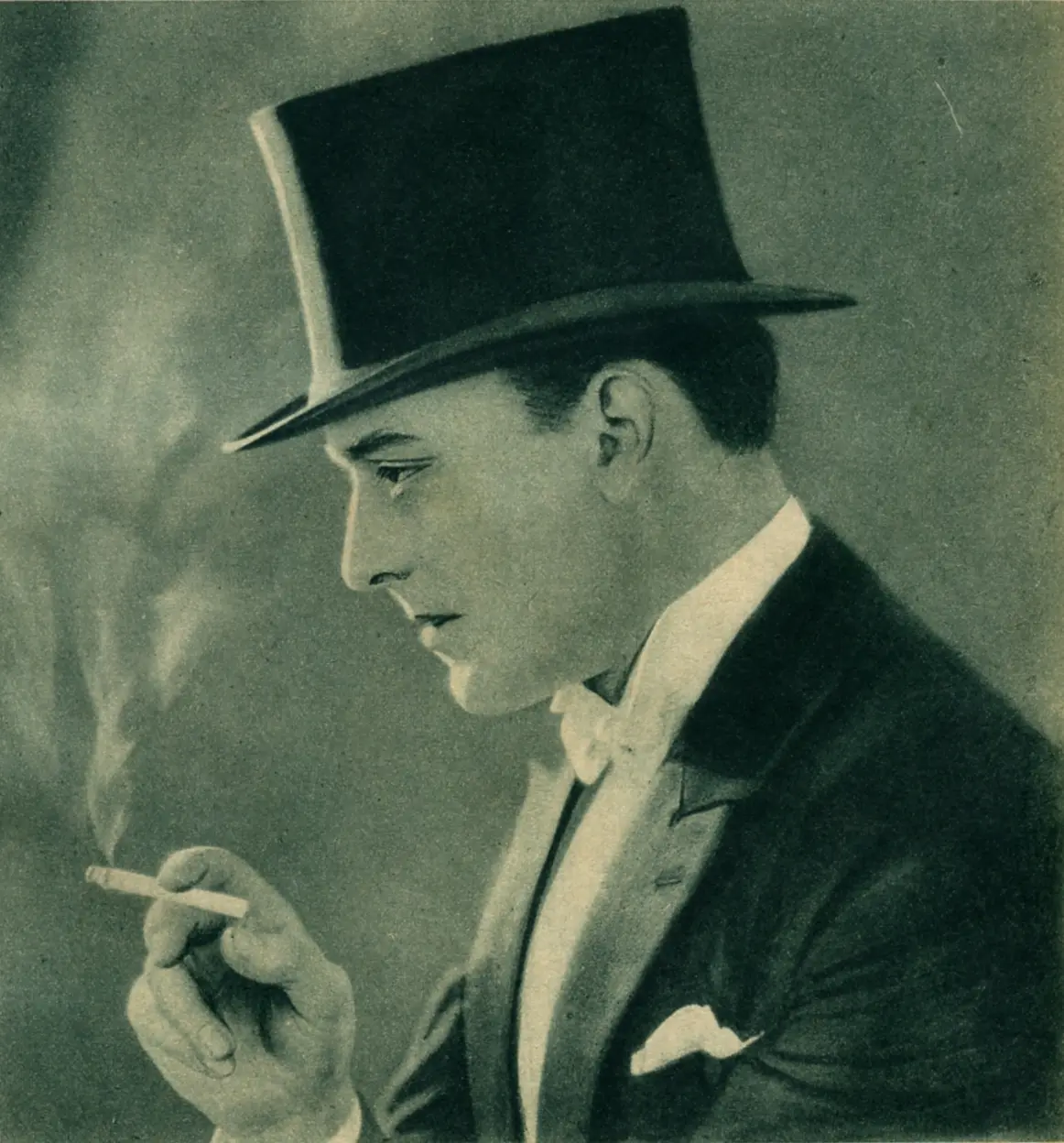
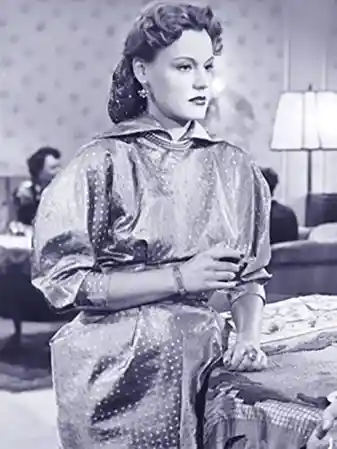
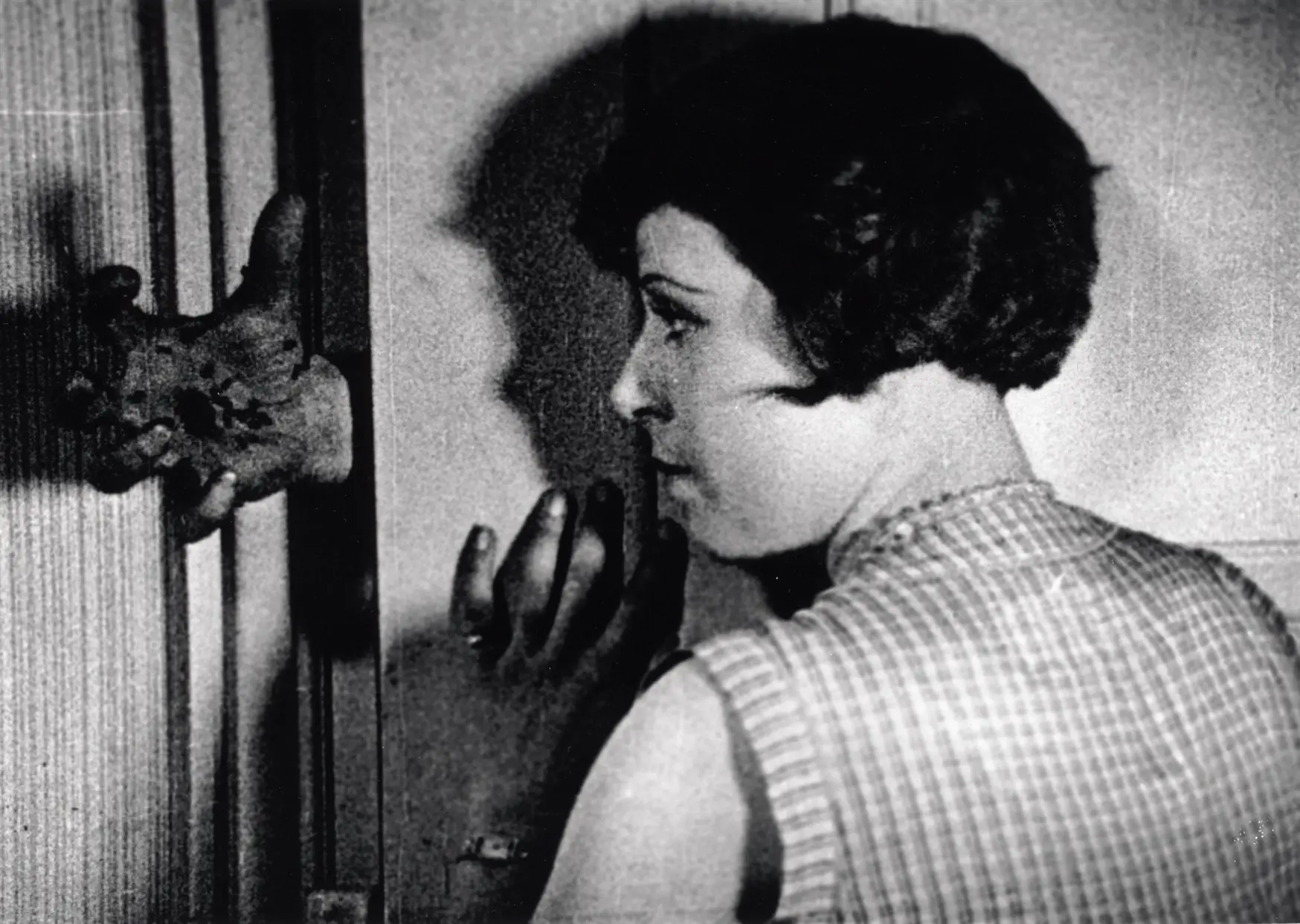
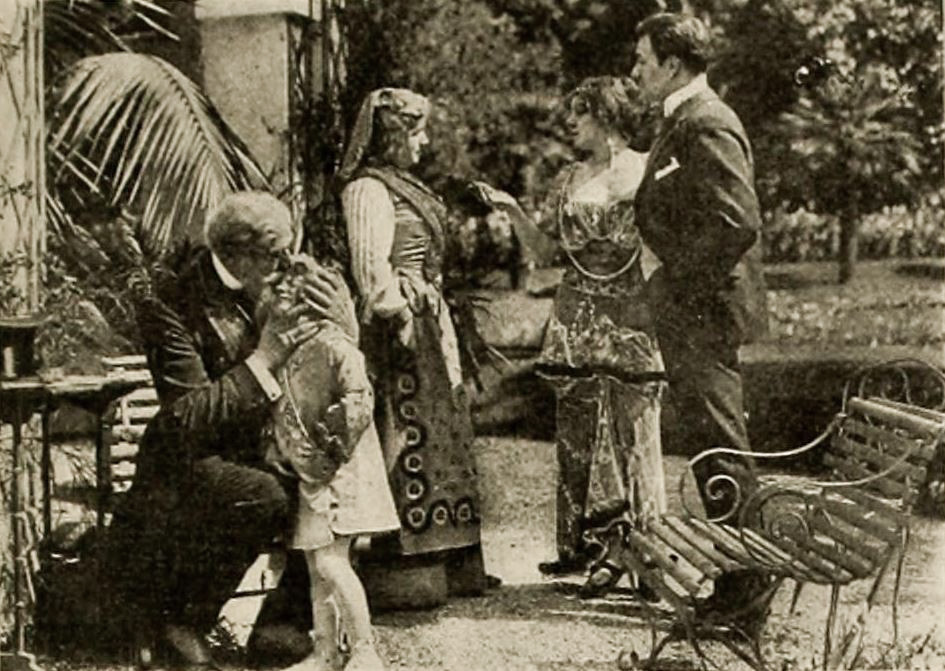
still_frame
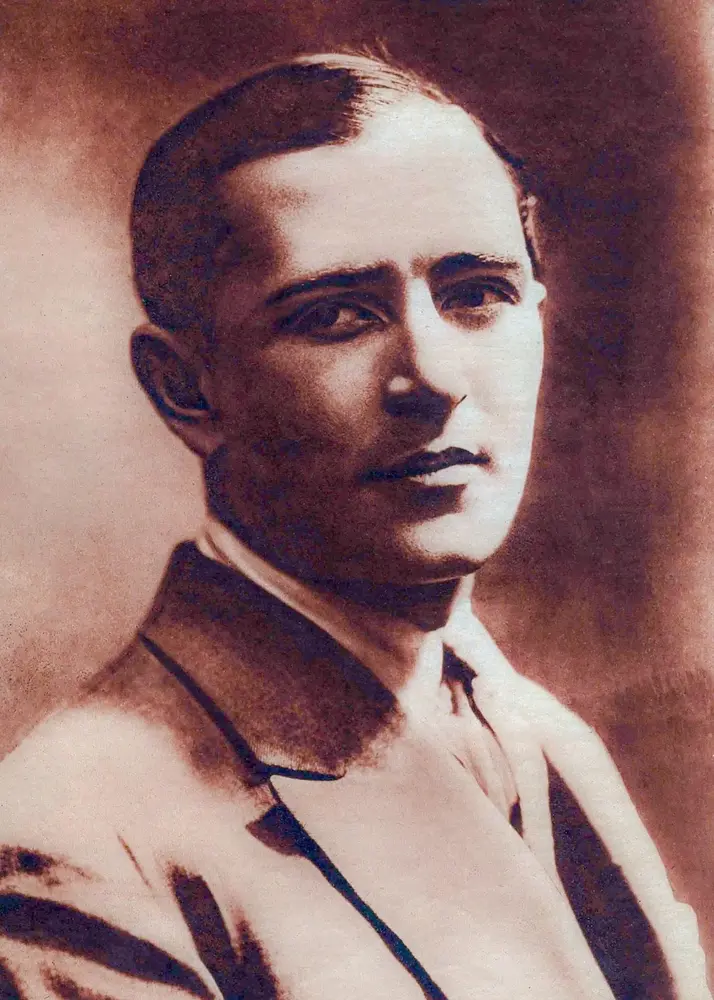
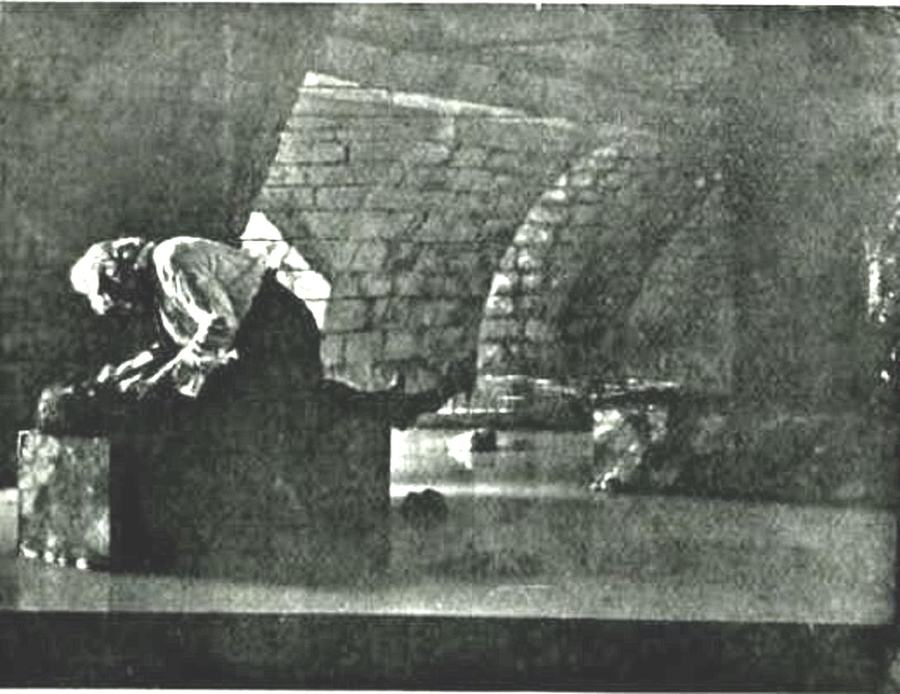
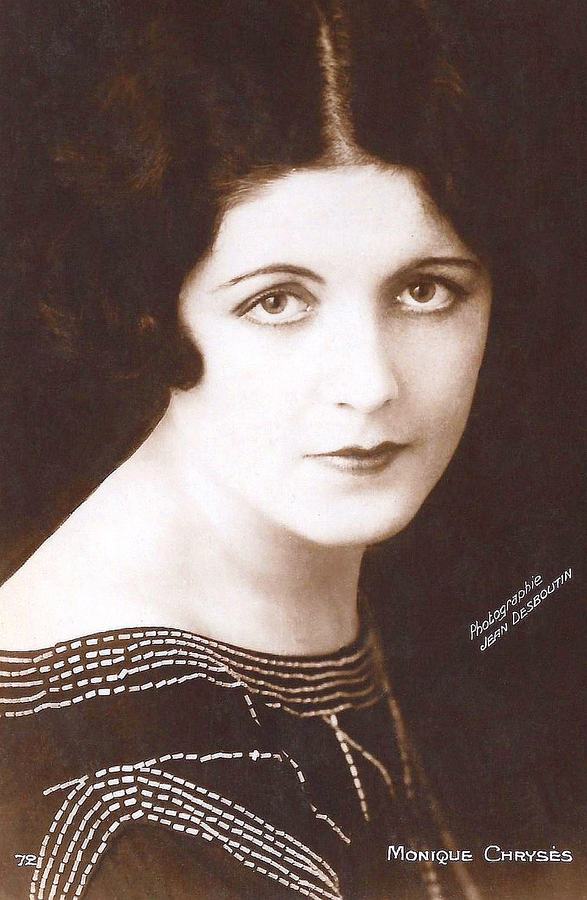
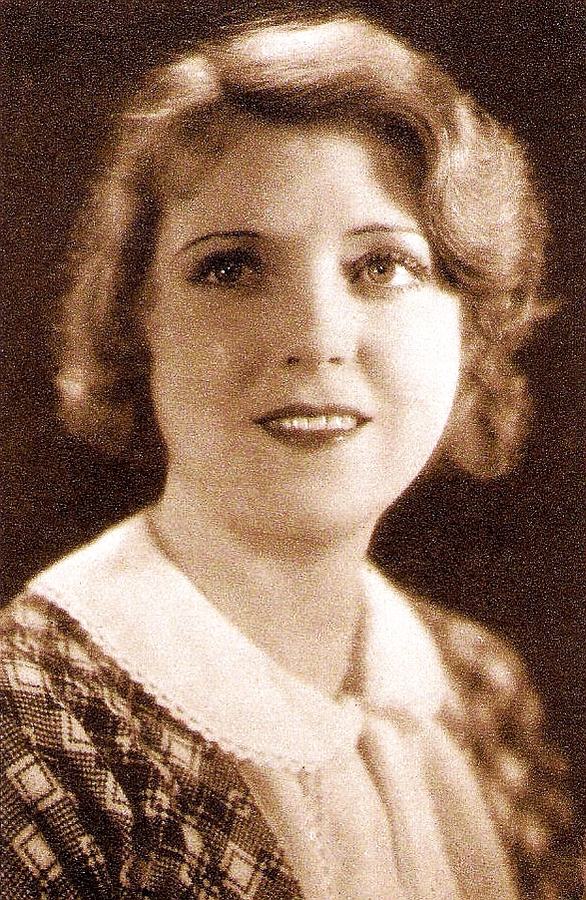
publicity
Comparing the cinematic DNA and archive impact of two defining moments in cult history.
René Hervil
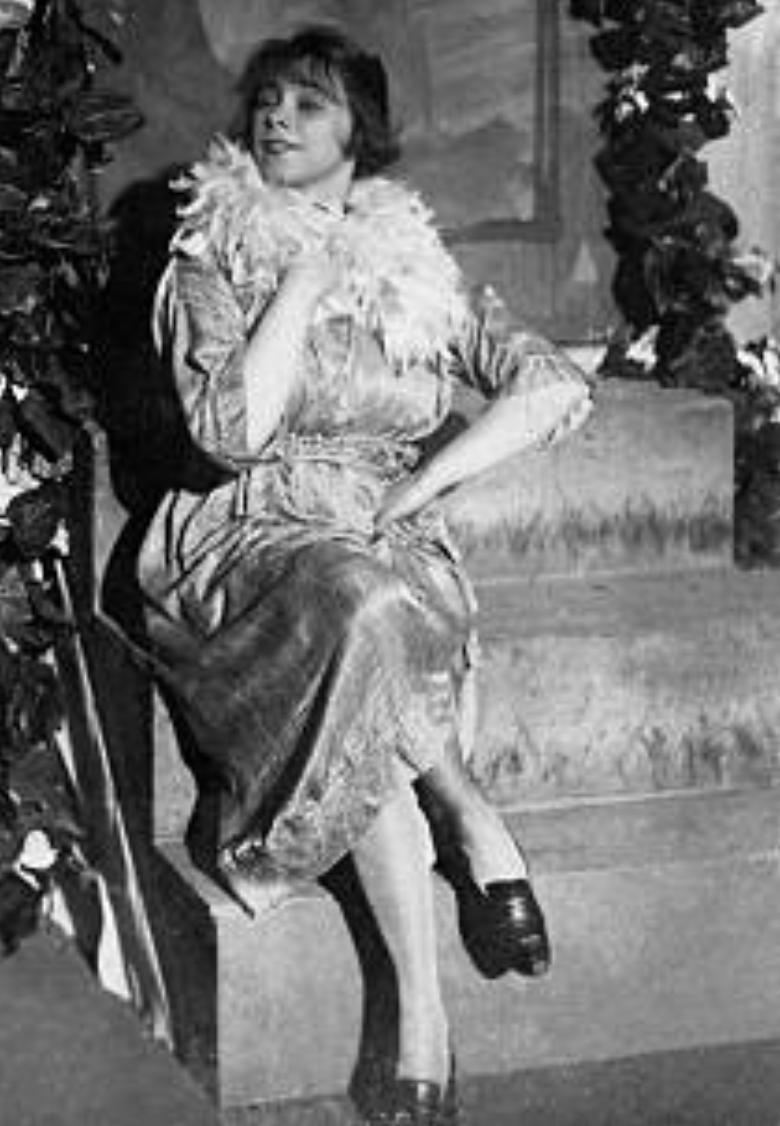
Bruno Ziener
Community
Log in to comment.
" The 1920s in France were a period of frantic modernization and existential searching, a dichotomy captured with startling clarity in the 1926 silent production Paris. Directed with a keen eye for the shifting social strata of the post-war era, the film serves as a microcosm of the tension between the burgeoning industrial proletariat and the decadent, ephemeral allure of the leisure class. It is not merely a story of a boy losing a girl; it is a cinematic treatise on the soul of a city caught ..."
René Jeanne, Pierre Hamp
France