
DbcultAccessing Vault...
Director's Spotlight
Senior Film Conservator
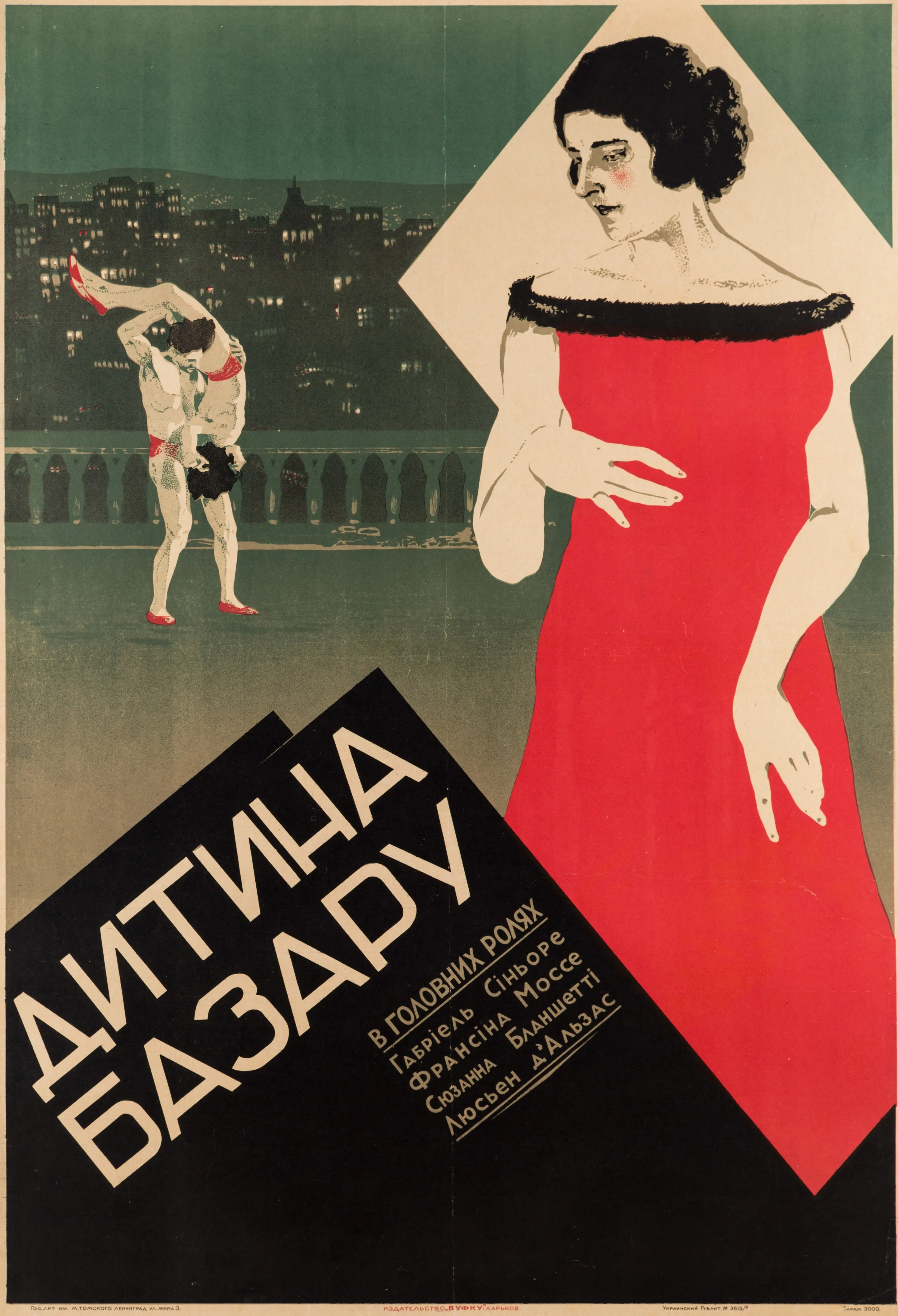
Director's Spotlight: France
A Deep Dive into the 1924 Vision of René Leprince
The artistic breakthrough represented by L'enfant des halles in 1924 highlights the uncompromising vision of René Leprince that defines this cult masterpiece. In the context of France's rich cinematic history, it captures a specific kind of cinematic magic that is rarely replicated.

In L'enfant des halles, René Leprince pushes the boundaries of conventional narrative. The film's unique approach to its subject matter has sparked endless debates and interpretations among cinephiles and critics alike.
| Cinematography | Deep Focus |
| Soundtrack | Orchestral |
| Editing | Slow-Burn |
| Art Direction | Brutalist |
Visualizing the convergence of René Leprince's style and the core cult narrative.
A ten-year-old boy takes in a baby whose father has been killed and whose mother has gone mad. But his parents entrust him to charitable market gardeners, who raise him. Fifteen years later, he goes to see his adopted "son" and finds himself in the presence of a beautiful young girl.
Decades after its release, L'enfant des halles remains a vital piece of the cinematic puzzle. Its influence can be seen in countless modern works, solidifying René Leprince's status as a master of the craft in France and beyond.