
DbcultAccessing Vault...
Director's Spotlight
Senior Film Conservator
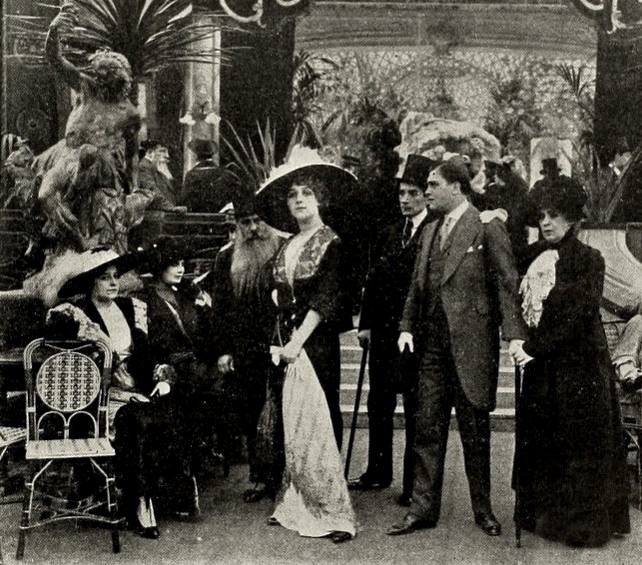
Director's Spotlight: France
A Deep Dive into the 1913 Vision of René Leprince
To understand the modern evolution of France film, one must first look at When Paris Loves and the meticulous attention to detail that René Leprince applied to every frame. Reflecting the political and social shifts of the 1913s, it showcases the power of cult as a tool for social commentary.
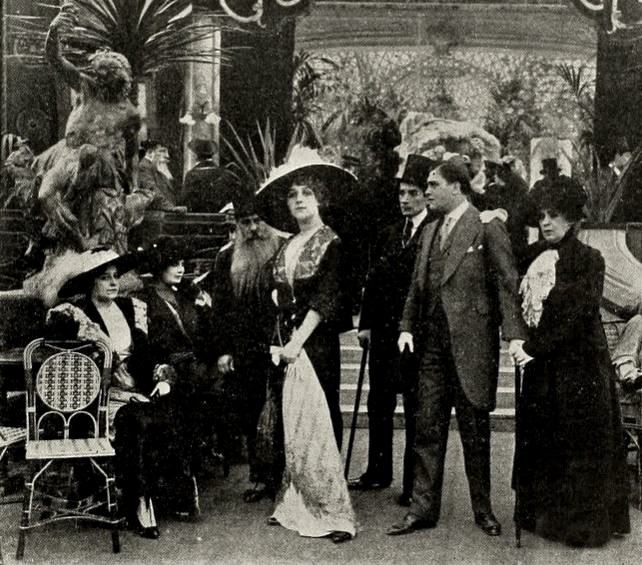
In When Paris Loves, René Leprince pushes the boundaries of conventional narrative. The film's unique approach to its subject matter has sparked endless debates and interpretations among cinephiles and critics alike.
| Cinematography | Deep Focus |
| Soundtrack | Minimalist |
| Editing | Disjunctive |
| Art Direction | Baroque |
Visualizing the convergence of René Leprince's style and the core cult narrative.
Jean Clédat, a young sculptor, has fallen in love with Gabrielle Normand, a painter. Jean's father, who expected him to perform his art in his native town, is surprised not to see him come back after his studies at the Fine Arts Academy, all the more as Marie-Claire, his kind-hearted fiancée, is waiting for him at home. Suspecting a love affair, Clédat Senior comes to visit Jean out of the blue. Not only are his suspicions confirmed but they are even reinforced when he catches sight of a doll in his son's studio. After telling Gabrielle that he will provide maintenance for the "child", he forces his son son to go back home. The only thing is that he is making a mistake : there IS a four-year-old girl, but she is Gabrielle's little sister, not her daughter...
Decades after its release, When Paris Loves remains a vital piece of the cinematic puzzle. Its influence can be seen in countless modern works, solidifying René Leprince's status as a master of the craft in France and beyond.