
DbcultAccessing Vault...
Director's Spotlight
Senior Film Conservator
Director's Spotlight: United States
A Deep Dive into the 1919 Vision of Rex Ingram
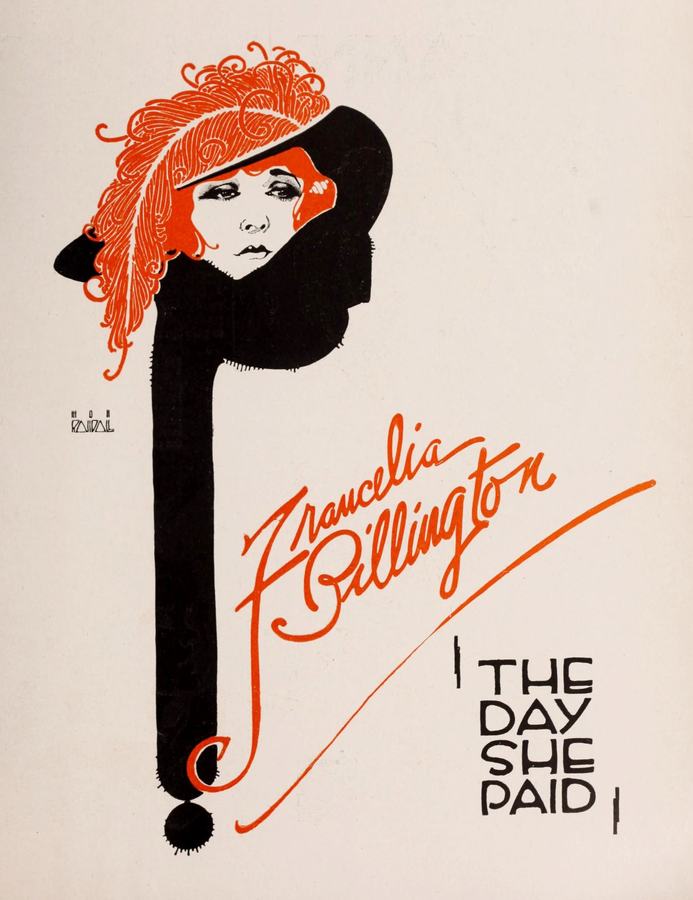
Exploring the cult underpinnings of The Day She Paid leads us to the stylistic boundaries pushed by Rex Ingram during the production. Through a lens of existential fatalism and cult tropes, it continues to spark endless debates among critics and cinephiles alike.
In The Day She Paid, Rex Ingram pushes the boundaries of conventional narrative. The film's unique approach to its subject matter has sparked endless debates and interpretations among cinephiles and critics alike.
While deeply rooted in United States, The Day She Paid has achieved a global reach, influencing directors from various backgrounds. Its ability to translate cult tropes into a universal cinematic language is why it remains a cult staple decades after its 1919 release.
| Cinematography | Noir-Inspired |
| Soundtrack | Diegetic |
| Editing | Elliptical |
| Art Direction | Expressionist |
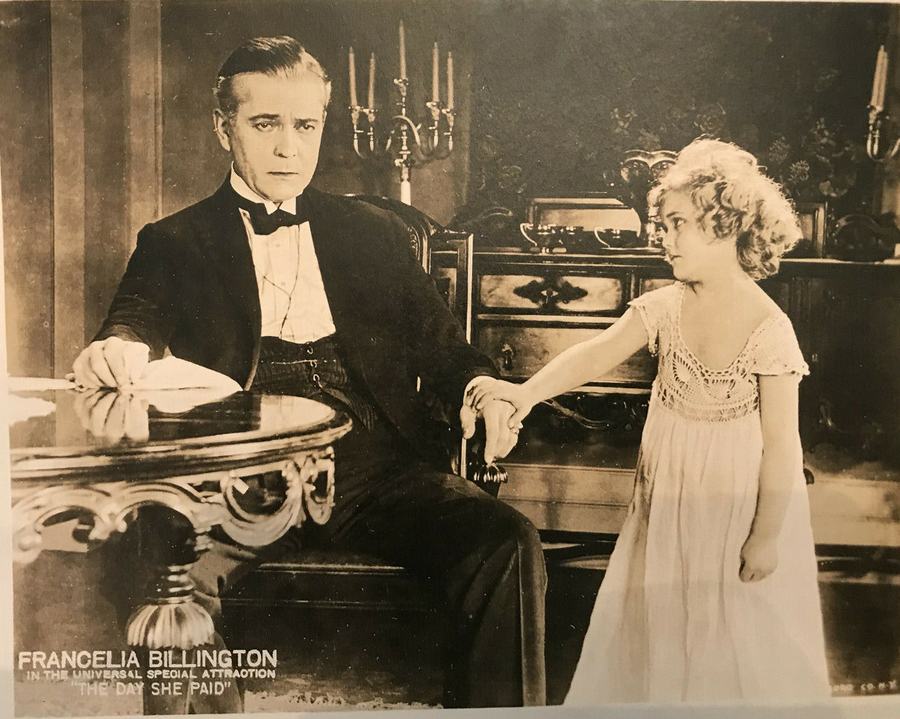
Visualizing the convergence of Rex Ingram's style and the core cult narrative.
Pretty Manhattan model Marion Buckley receives a marriage proposal from Warren Rogers, a wealthy department store owner, but is reluctant to accept it because of her affair with her employer Leon Kessler, who promised to marry her. Kessler agrees to keep quiet about the affair and Marion Buckley. All goes well until one day Kessler visits the couple and proposes marriage to Rogers' teenage daughter Ardath. Knowing that her husband knows nothing of she and Kessler's history together, Marion tells him of her previous affair with Kessler, with disastrous results.
Decades after its release, The Day She Paid remains a vital piece of the cinematic puzzle. Its influence can be seen in countless modern works, solidifying Rex Ingram's status as a master of the craft in United States and beyond.